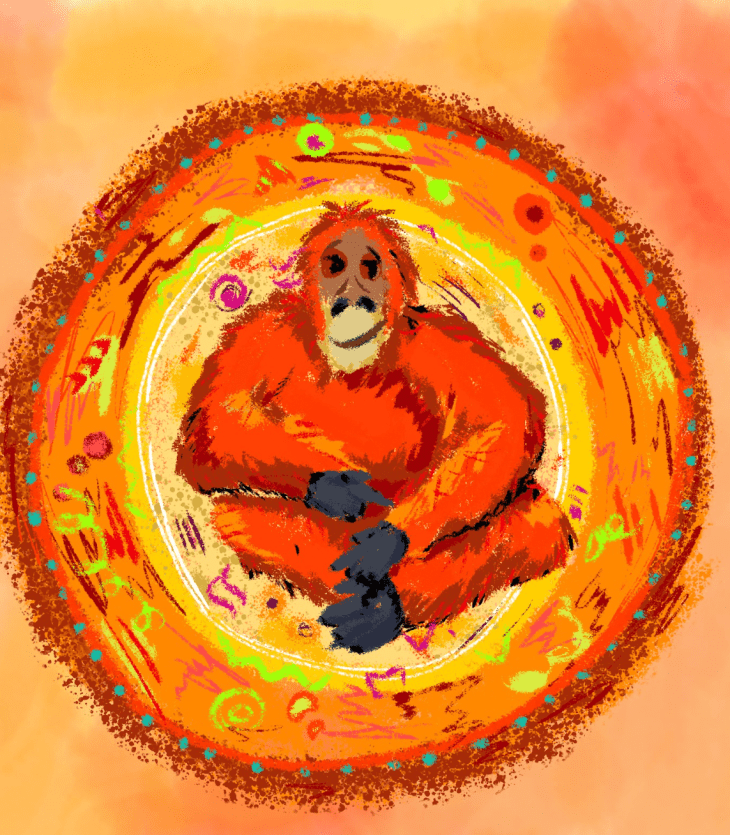
Amber, an orangutan featured on TikTok, showcases her curiosity through gestures at a zoo. Her interactions stimulate public engagement and discussions about primate behavior, cognition, and communication. This phenomenon parallels early scientific exploration and raises important questions about animal intelligence, self-awareness, and the relationship between humans and animals.
Category: Issue 14
A dormant anthrax bacterium is re-emerging due to climate change, posing significant threats to humans and animals. Historically present, the bacterium’s spores become active as permafrost thaws. Recent outbreaks, like the one in Siberia, highlight the public health risk. Understanding its revival is crucial for prevention and protection against future outbreaks.
UCL’s historical ties to eugenics reveal a complex narrative; it was central to eugenic research in Britain, supported by figures like Galton and Pearson. As a pseudoscience rooted in social control, eugenics intertwined with early 20th-century socialism, promoting reproductive policies under the guise of progress. Its legacy complicates current political discourse.
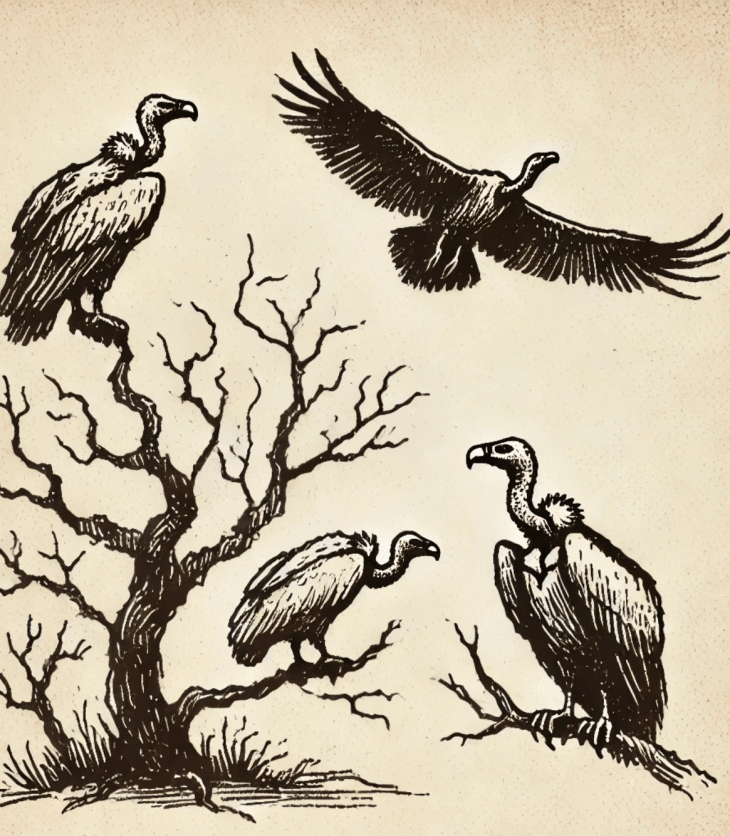
The ongoing sixth mass extinction, primarily caused by humans, has led to the decline of crucial species like vultures in India. Once abundant, their populations have plummeted due to diclofenac use. This collapse adversely impacts public health and the economy, illustrating the necessity of prioritizing conservation for ecologically vital species over charismatic ones.
Oxytocin, known as the ‘love hormone,’ plays a complex role in human emotions and social bonding. It facilitates childbirth and fosters affection, but can also influence in-group bias, leading to discrimination. Understanding oxytocin highlights its dual effects in relationships, showing it contributes to love while underpinning social divisions.
The article examines the complex concept of brainwashing, highlighting how individuals can succumb to extreme beliefs due to social coercion and misinformation. It discusses the significance of schemas in shaping beliefs and behaviors while emphasizing the need for critical thinking to combat manipulation. Ultimately, it calls for valuing human life in political discourse.
The Sapling is an indie video game developed by Wessel Stoop that simulates life evolution across various organism groups. Players can create ecosystems or let randomness guide mutations. Although it sacrifices some realism for playability, its educational value has been recognized, highlighting the potential of video games in learning. The game continues to evolve and excite its community.
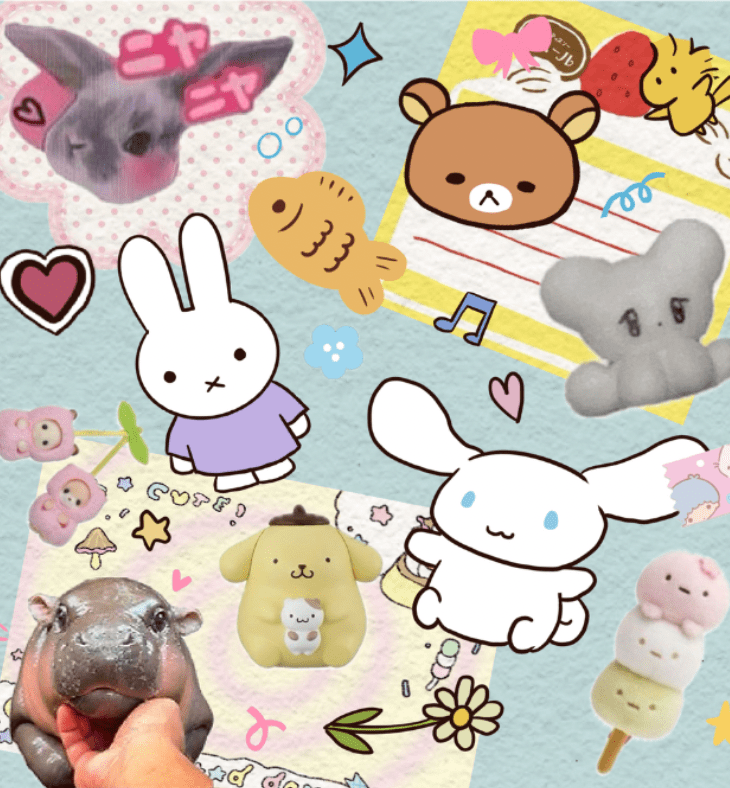
Cuteness, characterized by features like large eyes and small noses, evokes intense emotional responses, activating brain regions linked to pleasure and caregiving. This appeal extends to animals and inanimate objects, underscoring its evolutionary significance. Awareness campaigns leverage cuteness to promote conservation, but challenges exist for less aesthetically pleasing species needing support.
Madeleine Hjelt shares her experience with a knee injury sustained while skiing, leading to severe bone bruising and a small fracture. The poor blood supply in knees delays healing, complicating recovery, especially for those with Generalised Joint Hypermobility. She emphasizes the importance of joint health management and proper recovery strategies to prevent long-term issues like osteoarthritis.
The UK government’s ban on the XL Bully breed has sparked debate about the factors influencing dog behavior, particularly the roles of genetics and environment. While some breeds are stereotyped as aggressive, responsible ownership and early socialization are vital in shaping a dog’s temperament. The ban emphasizes the need for informed pet care and training.