Under Pressure: Why we crack under high stress

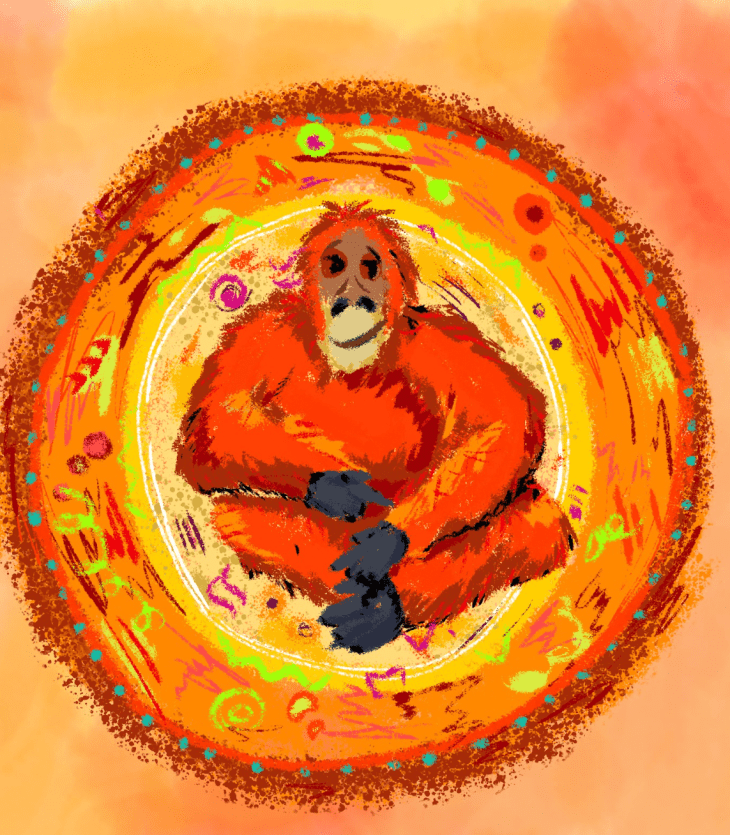
The article discusses the phenomenon of “choking” under pressure, illustrated through examples from sports and gaming. Research by Smoulder et al. explores this phenomenon in rhesus monkeys, revealing that excessive reward pressure can hinder performance. While their findings provide insights into the neural mechanisms involved, further studies are necessary to relate these findings to humans.

Everything looks grey—literal or metaphorical?

The content discusses the relationship between color perception and depression, highlighting how individuals with depressive disorders often experience altered visual perceptions, such as seeing colors as less saturated. Research indicates that depression impacts both color perception and interpretation, which could guide treatment strategies like art therapy, enhancing communication and support for affected individuals.

What’s your Chronotype sign? The effects of our circadian rhythm on our health

The article discusses chronotypes, which reflect individuals’ natural sleep-wake preferences based on their circadian rhythm. Misalignment due to social schedules, known as social jetlag, particularly affects evening chronotypes, leading to mental health issues and sleep disorders. Understanding chronotypes can aid clinicians in addressing mood disorders tied to societal pressures.

Time is Running Out: Can We Stop the Spread of HIV by 2030?

World AIDS Day 2024 highlights progress in combating HIV and the substantial remaining challenges. Advocates and health professionals reflect on successes while recognizing that millions remain untreated. New funds aim to improve screening and access to prevention methods like PrEP and Lenacapavir. Addressing stigma and health inequity is crucial for achieving UNAIDS’ 2030 goals.

Bivalve Buffer Zones: the past, present, and future of NYC’s oyster reef ecosystems

The article by Layla Khazeni explores the significance of waterways in shaping urban centers, focusing on New York’s oyster populations. It details the decline of oysters due to pollution and urbanization, highlighting restoration efforts through the Billion Oyster Project, which unites communities to revive these ecosystems and enhance climate resilience.

Lecanemab? The medication that fails female Alzheimer’s patients

Lecanemab is a new monoclonal antibody treatment for Alzheimer’s disease, showing a 27% reduction in cognitive decline, but only a 9.3% reduction in women. Given that women represent two-thirds of Alzheimer’s patients, the data suggests a need for personalized treatments addressing specific demographic vulnerabilities, including race and genetic factors, to improve outcomes.

Sleep to Succeed: The Overlooked Secret of Learning

The article explores the crucial role of sleep in learning and memory consolidation. Neuroscientific studies reveal that sleep enhances the retention of information studied, particularly through slow-wave sleep, which strengthens synaptic connections. While sleep optimizes recall and fosters creativity, quality sleep is vital, as poor sleep can hinder learning and emotional regulation.