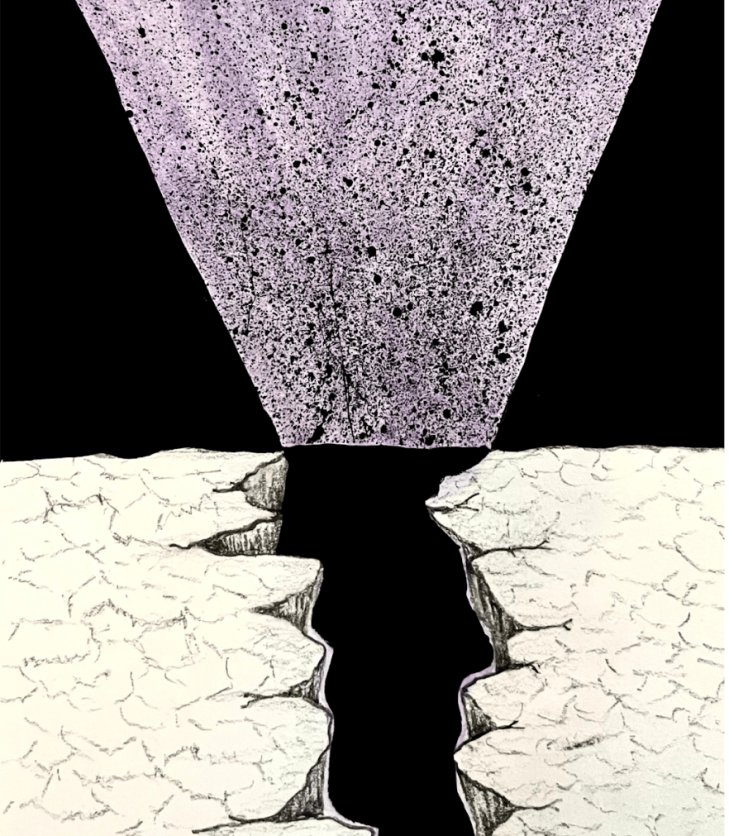
The article discusses chronotypes, which reflect individuals’ natural sleep-wake preferences based on their circadian rhythm. Misalignment due to social schedules, known as social jetlag, particularly affects evening chronotypes, leading to mental health issues and sleep disorders. Understanding chronotypes can aid clinicians in addressing mood disorders tied to societal pressures.
Category: Article
The Company of Biologists highlights UCL early-career researchers leveraging online platforms like preLights, the Node, and FocalPlane to enhance science communication skills and expand their professional networks. Notable contributors include Courtney Lancaster, Rob Hynds, Diego Sainz de la Maza, and others, showcasing their impactful work and collaborations.
World AIDS Day 2024 highlights progress in combating HIV and the substantial remaining challenges. Advocates and health professionals reflect on successes while recognizing that millions remain untreated. New funds aim to improve screening and access to prevention methods like PrEP and Lenacapavir. Addressing stigma and health inequity is crucial for achieving UNAIDS’ 2030 goals.
The article by Layla Khazeni explores the significance of waterways in shaping urban centers, focusing on New York’s oyster populations. It details the decline of oysters due to pollution and urbanization, highlighting restoration efforts through the Billion Oyster Project, which unites communities to revive these ecosystems and enhance climate resilience.
The article by Nicole Bowen discusses the importance of green spaces in urban environments, highlighting the integration of natural and man-made ecological structures like community gardens and vertical forests. These initiatives foster community cohesion, improve mental health, and combat isolation, showcasing how urban planning can enhance cityscapes through greenery and biodiversity.
Lecanemab is a new monoclonal antibody treatment for Alzheimer’s disease, showing a 27% reduction in cognitive decline, but only a 9.3% reduction in women. Given that women represent two-thirds of Alzheimer’s patients, the data suggests a need for personalized treatments addressing specific demographic vulnerabilities, including race and genetic factors, to improve outcomes.
The Cass Review, initiated by the NHS in 2020, received criticism for deviations from accepted transgender care standards. Its conclusions stemmed from biased methodology and exclusion of vital studies. The review’s restrictive recommendations jeopardize trans youth’s health, reflecting cisnormative bias. The report fails to provide compassionate, informed care needed for these vulnerable individuals.
In June 2023, sea surface temperatures off the UK soared to unprecedented highs, prompting concerns about marine heatwaves. These phenomena threaten marine ecosystems, potentially devastating species like coral and seagrass. While the UK’s incidents are less than in hotter areas, increased intensity and frequency are anticipated due to climate change, affecting local economies.
The article explores the crucial role of sleep in learning and memory consolidation. Neuroscientific studies reveal that sleep enhances the retention of information studied, particularly through slow-wave sleep, which strengthens synaptic connections. While sleep optimizes recall and fosters creativity, quality sleep is vital, as poor sleep can hinder learning and emotional regulation.
The brain operates through electrical signals known as action potentials, forming brain waves that correlate with various cognitive states. Binaural beats, which use sound waves of different frequencies, can induce brain wave synchronization and potentially aid in managing ADHD symptoms by enhancing focus and attention. Further research is necessary to confirm long-term effects.