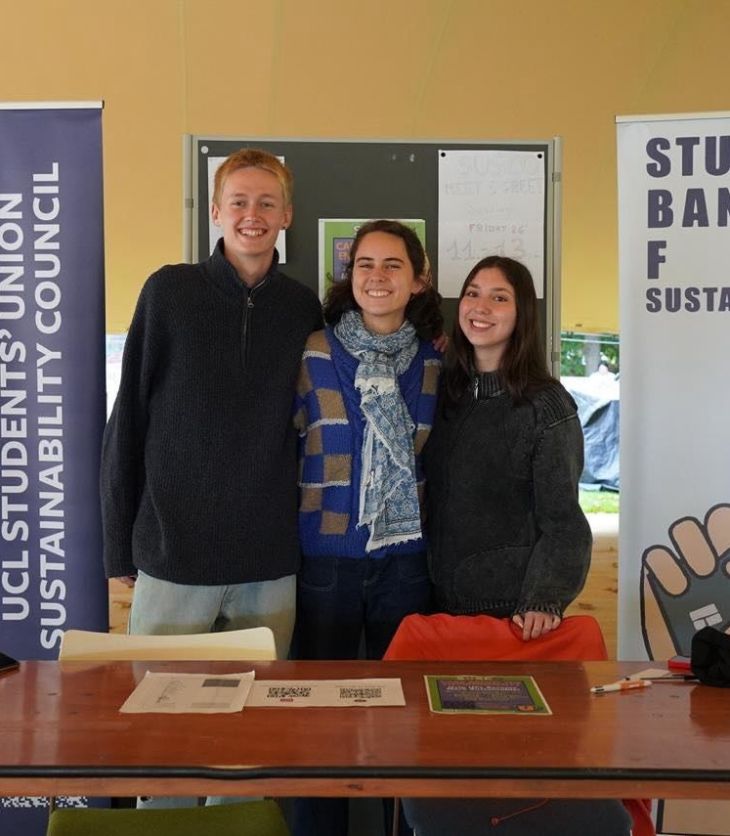
Oskar Barltrop and Pauline Le Gal, UCL’s Sustainability Officers, express frustrations regarding the Student Union’s slow policy changes and lack of responsiveness. They aim to promote sustainable practices and address broader issues like Palestine’s situation and rising living costs. Oskar urges greater support for student leaders to accelerate progress.
Category: Environment
The urban population, exceeding four billion, faces escalating crises impacting mental health, despite research linking green spaces to wellbeing. However, between 1990 and 2020, urban green areas declined, and there’s a lack of studies on biodiversity’s role in mental health. Future urban planning must value both biodiversity and mental health to create healthier cities.
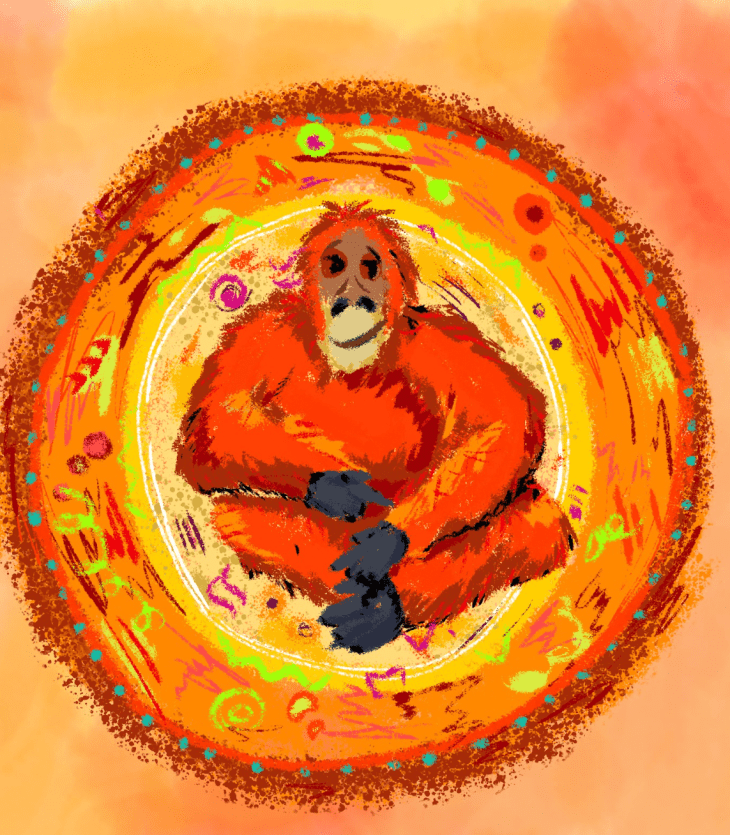
Amber, an orangutan featured on TikTok, showcases her curiosity through gestures at a zoo. Her interactions stimulate public engagement and discussions about primate behavior, cognition, and communication. This phenomenon parallels early scientific exploration and raises important questions about animal intelligence, self-awareness, and the relationship between humans and animals.
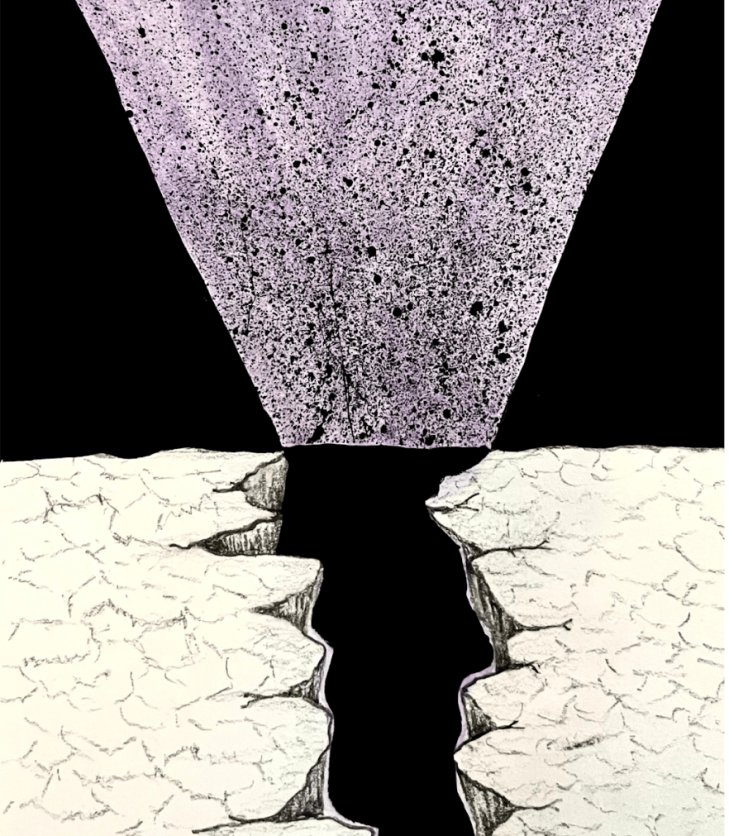
A dormant anthrax bacterium is re-emerging due to climate change, posing significant threats to humans and animals. Historically present, the bacterium’s spores become active as permafrost thaws. Recent outbreaks, like the one in Siberia, highlight the public health risk. Understanding its revival is crucial for prevention and protection against future outbreaks.
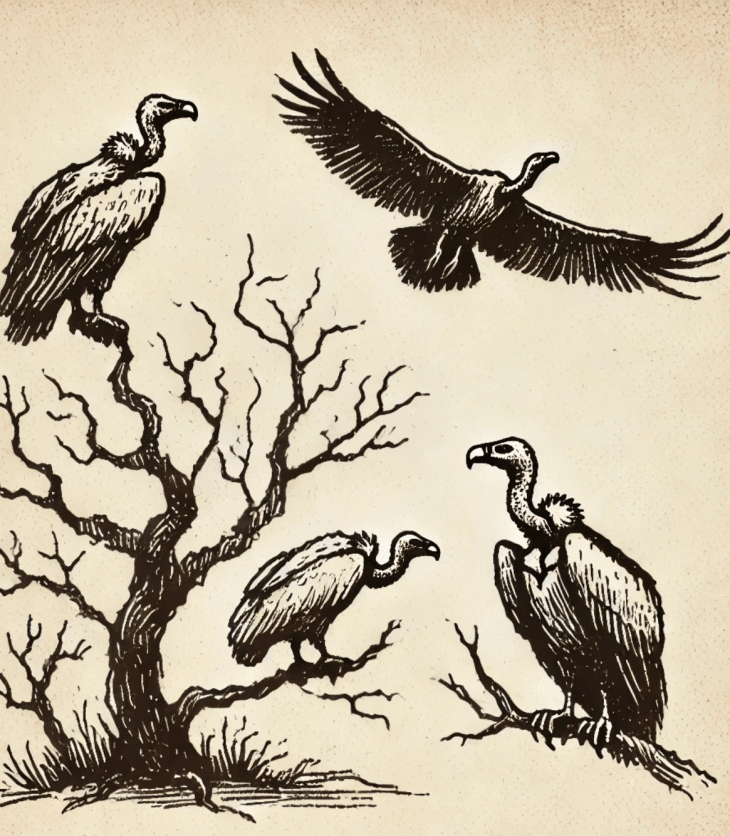
The ongoing sixth mass extinction, primarily caused by humans, has led to the decline of crucial species like vultures in India. Once abundant, their populations have plummeted due to diclofenac use. This collapse adversely impacts public health and the economy, illustrating the necessity of prioritizing conservation for ecologically vital species over charismatic ones.
The article by Layla Khazeni explores the significance of waterways in shaping urban centers, focusing on New York’s oyster populations. It details the decline of oysters due to pollution and urbanization, highlighting restoration efforts through the Billion Oyster Project, which unites communities to revive these ecosystems and enhance climate resilience.
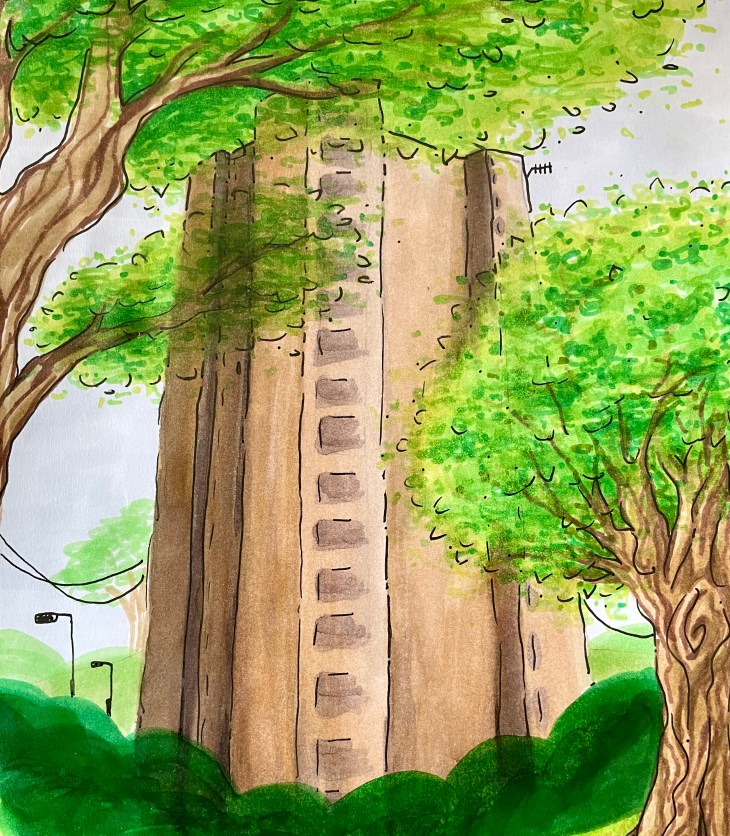
The article by Nicole Bowen discusses the importance of green spaces in urban environments, highlighting the integration of natural and man-made ecological structures like community gardens and vertical forests. These initiatives foster community cohesion, improve mental health, and combat isolation, showcasing how urban planning can enhance cityscapes through greenery and biodiversity.
Antimicrobial resistance (AMR) poses a serious global health threat, with 1.27 million deaths in 2019 linked to resistant bacteria. Bacteriophages, viruses that target bacteria, present potential alternatives to antibiotics due to their specificity, self-replicating capability, and lower side effects. However, challenges such as specificity limits and safety concerns remain, prompting ongoing research into phage therapy.
Author: Eva McCleanArtist: Jordan MooneyEditor: Ayotenu Dosumu Hidden in the shady forest undergrowth, beneath the…
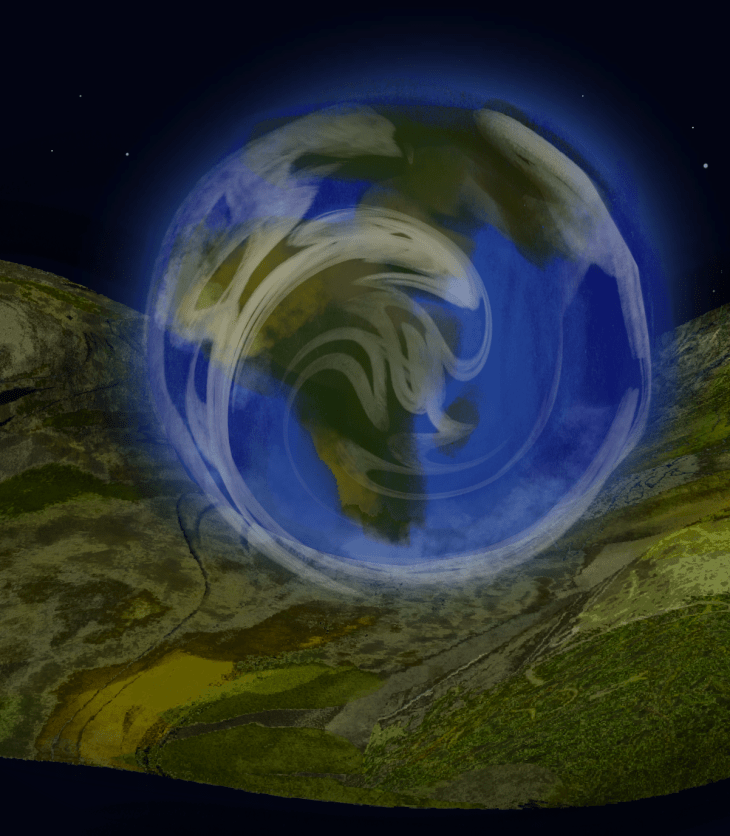
Matauranga, the holistic knowledge system of New Zealand’s Maori people, differs from Western science with concepts like “Ki uta ki tai” and “tapu,” contributing significantly to scientific research, particularly in conservation efforts. This has prompted New Zealand’s government to integrate Matauranga into the national curriculum, yet face challenges as perspectives vary, highlighting the need for respect and collaboration for a future of well-informed, inclusive science.