As university students approach 2026, awareness of “Freshers’ Flu” and meningitis is crucial. Meningitis is a serious infection marked by symptoms like fever and a stiff neck, potentially leading to severe complications if untreated. Students are urged to practice good hygiene, get vaccinated, and maintain healthy sleep habits to reduce risks.
Tag: wellness
Hospitals in the UK are bracing for a severe flu season, with cases tripling compared to last year and the virus evolving with new mutations. Concerns about the elderly and vaccine shortages drive NHS responses. Recommendations urge eligible individuals to get vaccinated, stressing its essential role in preventing serious illness.
Oxytocin, known as the ‘love hormone,’ plays a complex role in human emotions and social bonding. It facilitates childbirth and fosters affection, but can also influence in-group bias, leading to discrimination. Understanding oxytocin highlights its dual effects in relationships, showing it contributes to love while underpinning social divisions.
Madeleine Hjelt shares her experience with a knee injury sustained while skiing, leading to severe bone bruising and a small fracture. The poor blood supply in knees delays healing, complicating recovery, especially for those with Generalised Joint Hypermobility. She emphasizes the importance of joint health management and proper recovery strategies to prevent long-term issues like osteoarthritis.
Recent studies suggest that moderate coffee consumption, particularly around three cups daily, may offer benefits such as increased alertness, reduced risk of depression, and lower heart failure rates. However, individual responses to caffeine can vary, and excessive intake may raise health concerns, particularly during pregnancy. Balance is essential.
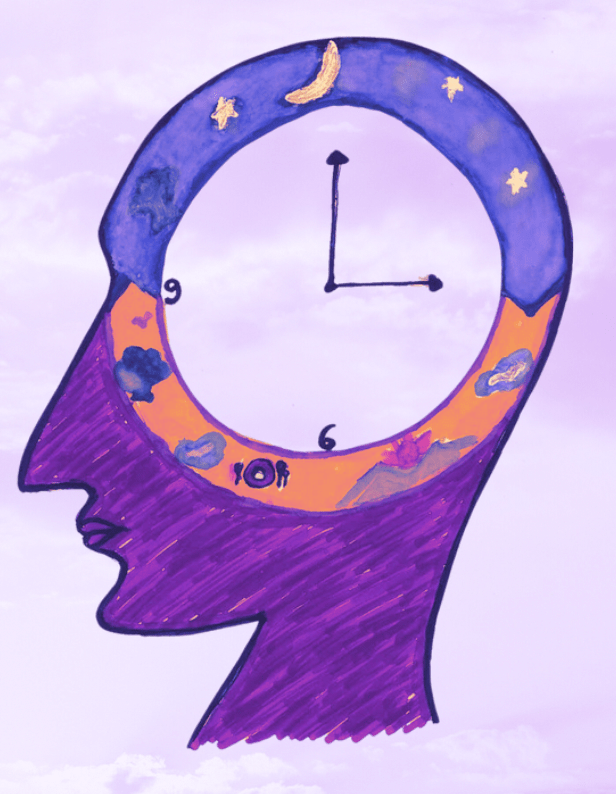
The article discusses chronotypes, which reflect individuals’ natural sleep-wake preferences based on their circadian rhythm. Misalignment due to social schedules, known as social jetlag, particularly affects evening chronotypes, leading to mental health issues and sleep disorders. Understanding chronotypes can aid clinicians in addressing mood disorders tied to societal pressures.
The article explores the crucial role of sleep in learning and memory consolidation. Neuroscientific studies reveal that sleep enhances the retention of information studied, particularly through slow-wave sleep, which strengthens synaptic connections. While sleep optimizes recall and fosters creativity, quality sleep is vital, as poor sleep can hinder learning and emotional regulation.
The brain operates through electrical signals known as action potentials, forming brain waves that correlate with various cognitive states. Binaural beats, which use sound waves of different frequencies, can induce brain wave synchronization and potentially aid in managing ADHD symptoms by enhancing focus and attention. Further research is necessary to confirm long-term effects.
Alzheimer’s disease (AD) is a neurodegenerative disorder that causes cognitive decline and memory loss, primarily due to protein misfolding and aggregation. Recent research highlights the glymphatic system’s role in waste removal in the central nervous system and its dependence on quality sleep, suggesting that disrupted sleep in the elderly may predispose them to AD.
Stress is a primal instinct crucial for survival, but chronic stress can lead to severe health issues like major depressive disorder (MDD) and cardiovascular disease (CVD). Elevated cortisol levels and inflammation play significant roles in these conditions. Understanding stress’s mechanisms can foster new therapeutic approaches to combat these interconnected diseases.