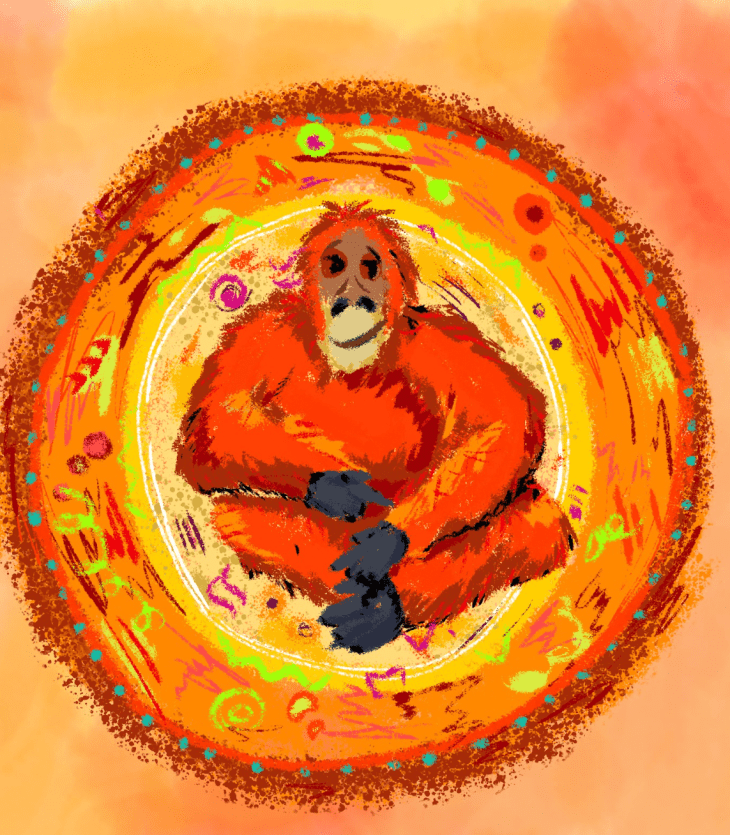
Amber, an orangutan featured on TikTok, showcases her curiosity through gestures at a zoo. Her interactions stimulate public engagement and discussions about primate behavior, cognition, and communication. This phenomenon parallels early scientific exploration and raises important questions about animal intelligence, self-awareness, and the relationship between humans and animals.
Tag: psychology
The article examines the complex concept of brainwashing, highlighting how individuals can succumb to extreme beliefs due to social coercion and misinformation. It discusses the significance of schemas in shaping beliefs and behaviors while emphasizing the need for critical thinking to combat manipulation. Ultimately, it calls for valuing human life in political discourse.
A recent study reveals that fussy eating in children is predominantly influenced by genetics rather than environmental factors, providing relief to concerned parents. Analyzed data from twin families showed that genetic differences account for a significant portion of food fussiness, with environmental influences affecting behavior mainly in early childhood. Further research is needed.
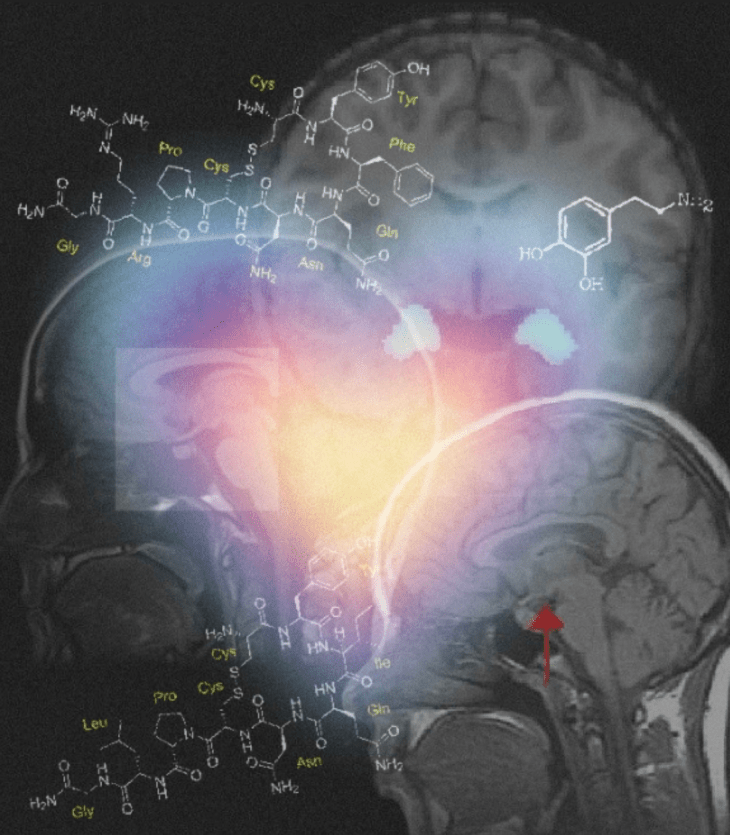
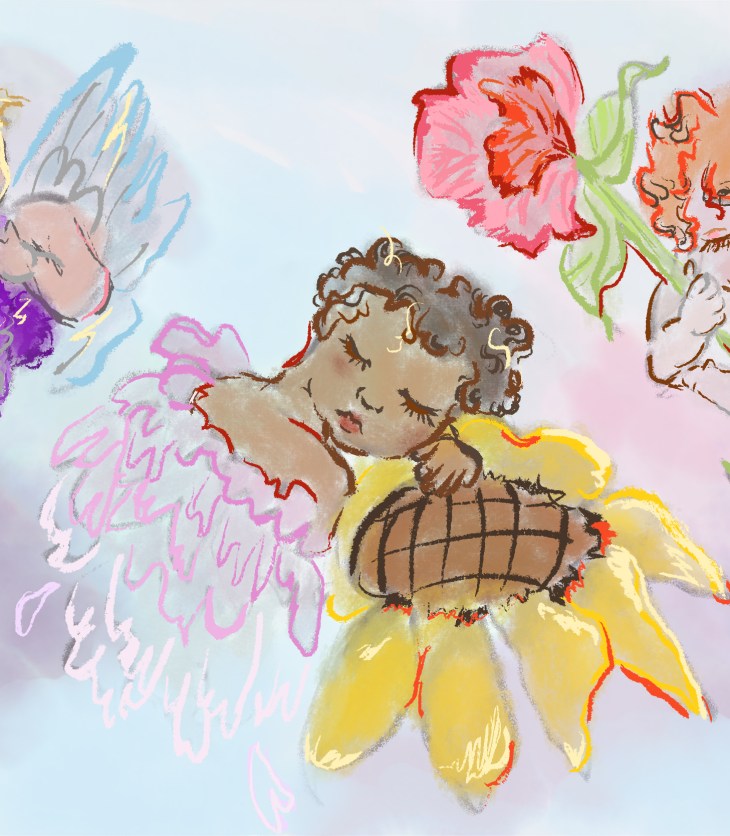
Author: Alexia Rasnoveanu Editor: Haowen Xue Artist: Yasmin Love is less a mystery than a…
In 1956, Phillip K. Dick’s “The Minority Report” introduced the concept of predicting crime through “precogs.” Modern neuroforecasting employs brain activity analysis to anticipate criminal behavior and consumer actions. Studies show its potential in crime prediction and marketing effectiveness, raising ethical questions about free will and the surveillance of individuals marked for criminality.
Pavlos Zournatzidis, a UCL PhD student, studies the long-term effects of infant institutionalisation in Greece. His research suggests that early personal connections are vital for healthy emotional and cognitive development. Potential adoption alleviates these effects, underscoring the need for early intervention and increased foster care options to support affected children.