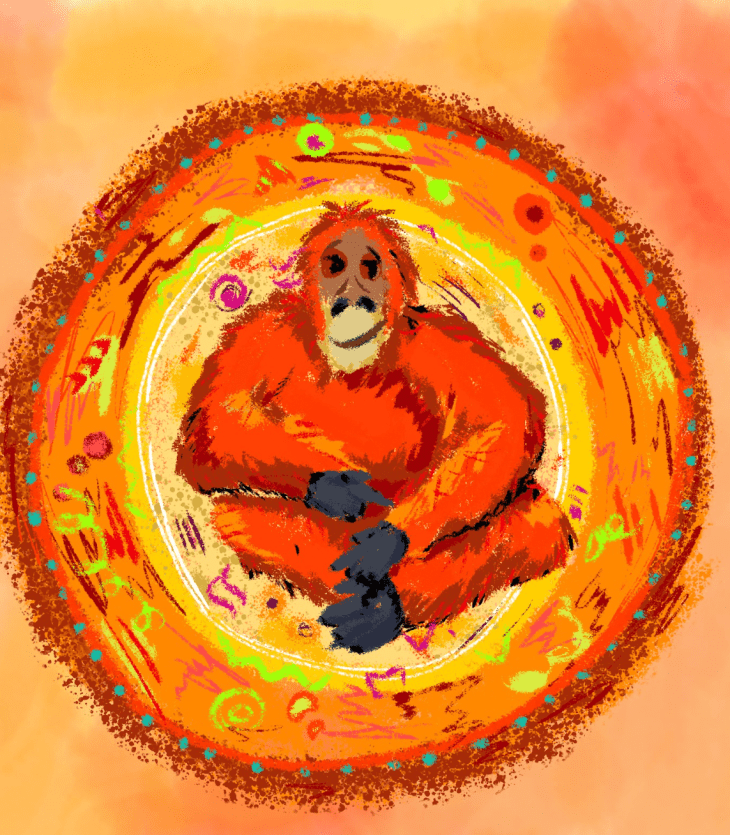
Amber, an orangutan featured on TikTok, showcases her curiosity through gestures at a zoo. Her interactions stimulate public engagement and discussions about primate behavior, cognition, and communication. This phenomenon parallels early scientific exploration and raises important questions about animal intelligence, self-awareness, and the relationship between humans and animals.
Tag: philosophy
UCL’s historical ties to eugenics reveal a complex narrative; it was central to eugenic research in Britain, supported by figures like Galton and Pearson. As a pseudoscience rooted in social control, eugenics intertwined with early 20th-century socialism, promoting reproductive policies under the guise of progress. Its legacy complicates current political discourse.
The article examines the complex concept of brainwashing, highlighting how individuals can succumb to extreme beliefs due to social coercion and misinformation. It discusses the significance of schemas in shaping beliefs and behaviors while emphasizing the need for critical thinking to combat manipulation. Ultimately, it calls for valuing human life in political discourse.
In November 2024, amid political fragmentation, President-elect Trump promises to evict minorities, while Starmer balances identity politics against far-right claims. The article explores how archaeology’s evolution affects political identity, urging a rejection of outdated narratives to embrace a nuanced understanding of historical objects and their significance in contemporary discourse.
In 1942, Robert Merton outlined four ethical values for scientific research, which are now often violated, as seen in cases like data manipulation by Jan Henrik Schon and Andrew Wakefield. Issues like publication bias and p-hacking undermine trust and validity, highlighting the need for systemic reform in scientific practices and transparency.