Image of paracetamol tablets on a table, with their box in the background.

Trump’s Acetaminophen Claim: What Research Shows

During a press conference, President Trump claimed acetaminophen may increase autism risk in pregnant women, referencing a flawed study. Experts countered that evidence does not support this link, urging high-quality research. The MHRA maintains that paracetamol is safe during pregnancy, advising women to seek medical counsel for pain management.


Unmasking the ‘love hormone’: Does oxytocin truly make us more loving?

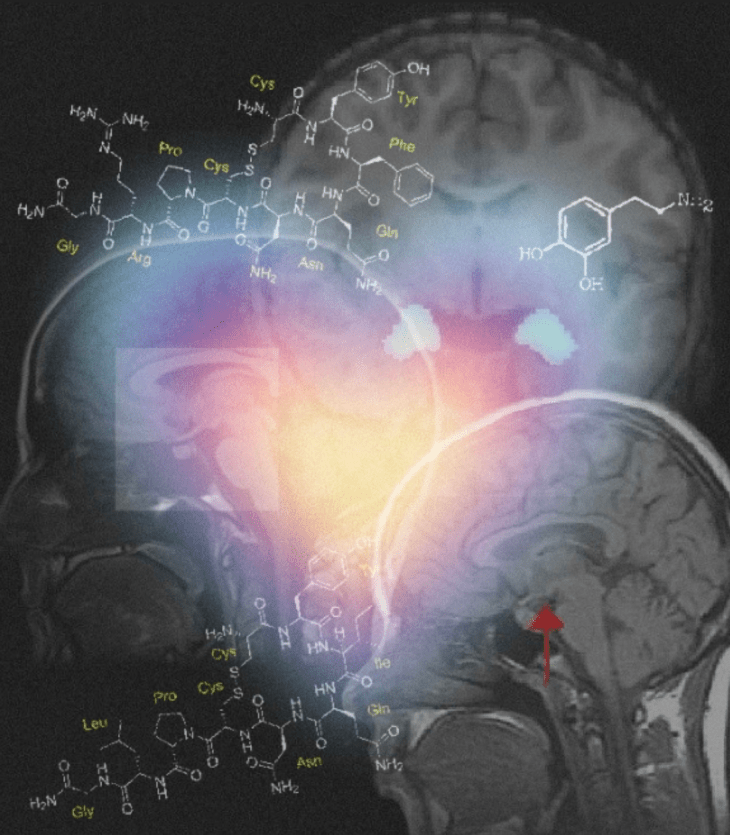
Oxytocin, known as the ‘love hormone,’ plays a complex role in human emotions and social bonding. It facilitates childbirth and fosters affection, but can also influence in-group bias, leading to discrimination. Understanding oxytocin highlights its dual effects in relationships, showing it contributes to love while underpinning social divisions.

An Introduction to Brainwashing

The article examines the complex concept of brainwashing, highlighting how individuals can succumb to extreme beliefs due to social coercion and misinformation. It discusses the significance of schemas in shaping beliefs and behaviors while emphasizing the need for critical thinking to combat manipulation. Ultimately, it calls for valuing human life in political discourse.

Under Pressure: Why we crack under high stress

The article discusses the phenomenon of “choking” under pressure, illustrated through examples from sports and gaming. Research by Smoulder et al. explores this phenomenon in rhesus monkeys, revealing that excessive reward pressure can hinder performance. While their findings provide insights into the neural mechanisms involved, further studies are necessary to relate these findings to humans.

Everything looks grey—literal or metaphorical?

The content discusses the relationship between color perception and depression, highlighting how individuals with depressive disorders often experience altered visual perceptions, such as seeing colors as less saturated. Research indicates that depression impacts both color perception and interpretation, which could guide treatment strategies like art therapy, enhancing communication and support for affected individuals.

Fussy eating is mostly due to genetics in children and teens

A recent study reveals that fussy eating in children is predominantly influenced by genetics rather than environmental factors, providing relief to concerned parents. Analyzed data from twin families showed that genetic differences account for a significant portion of food fussiness, with environmental influences affecting behavior mainly in early childhood. Further research is needed.

What’s your Chronotype sign? The effects of our circadian rhythm on our health

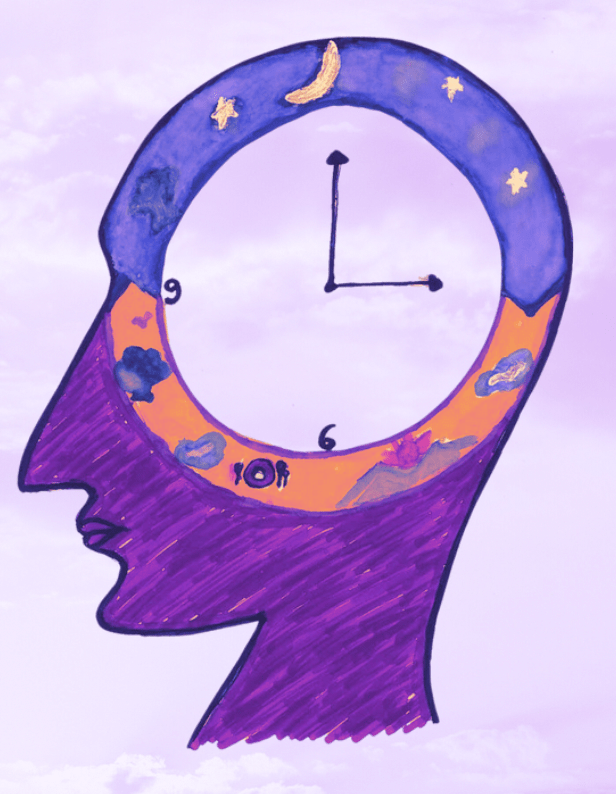
The article discusses chronotypes, which reflect individuals’ natural sleep-wake preferences based on their circadian rhythm. Misalignment due to social schedules, known as social jetlag, particularly affects evening chronotypes, leading to mental health issues and sleep disorders. Understanding chronotypes can aid clinicians in addressing mood disorders tied to societal pressures.

Sleep to Succeed: The Overlooked Secret of Learning

The article explores the crucial role of sleep in learning and memory consolidation. Neuroscientific studies reveal that sleep enhances the retention of information studied, particularly through slow-wave sleep, which strengthens synaptic connections. While sleep optimizes recall and fosters creativity, quality sleep is vital, as poor sleep can hinder learning and emotional regulation.