When Nature’s Janitors Disappear: India’s Vulture Collapse and Its Human Toll

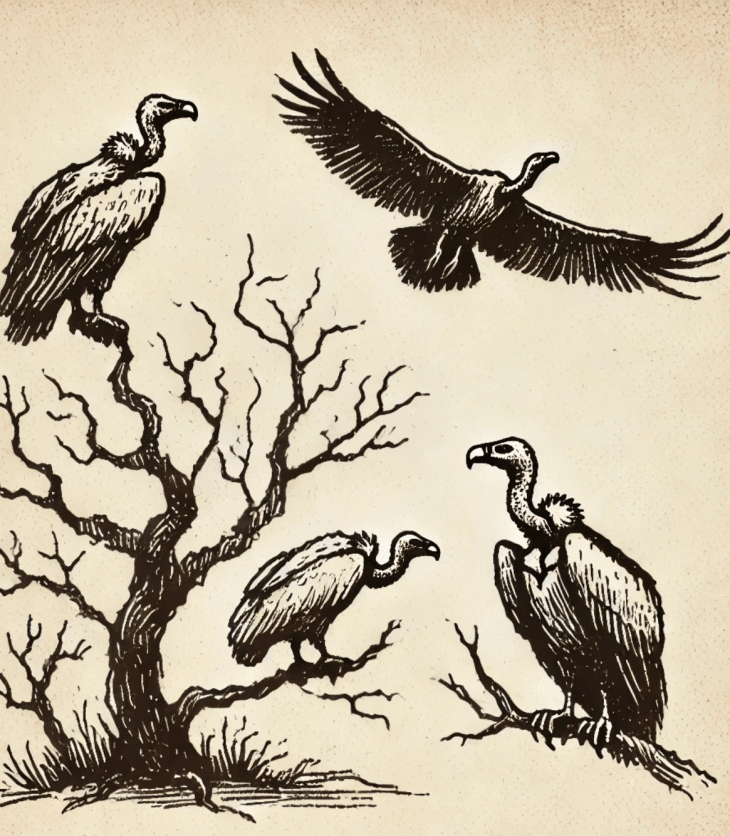
The ongoing sixth mass extinction, primarily caused by humans, has led to the decline of crucial species like vultures in India. Once abundant, their populations have plummeted due to diclofenac use. This collapse adversely impacts public health and the economy, illustrating the necessity of prioritizing conservation for ecologically vital species over charismatic ones.

Bivalve Buffer Zones: the past, present, and future of NYC’s oyster reef ecosystems

The article by Layla Khazeni explores the significance of waterways in shaping urban centers, focusing on New York’s oyster populations. It details the decline of oysters due to pollution and urbanization, highlighting restoration efforts through the Billion Oyster Project, which unites communities to revive these ecosystems and enhance climate resilience.

Urban Renewal: Restoring Nature in City Centres

The article by Nicole Bowen discusses the importance of green spaces in urban environments, highlighting the integration of natural and man-made ecological structures like community gardens and vertical forests. These initiatives foster community cohesion, improve mental health, and combat isolation, showcasing how urban planning can enhance cityscapes through greenery and biodiversity.

The Hidden Impact of Scientific Research: UCL’s responsibility in the sustainable revolution

The article highlights the urgent need for laboratories to adopt sustainable practices due to their significant environmental impact, including waste generation and high resource consumption. Initiatives like UCL’s Laboratory Efficiency Assessment Framework promote sustainability, while labs innovate by reducing single-use plastics and energy usage, demonstrating that research quality can coexist with environmental responsibility.