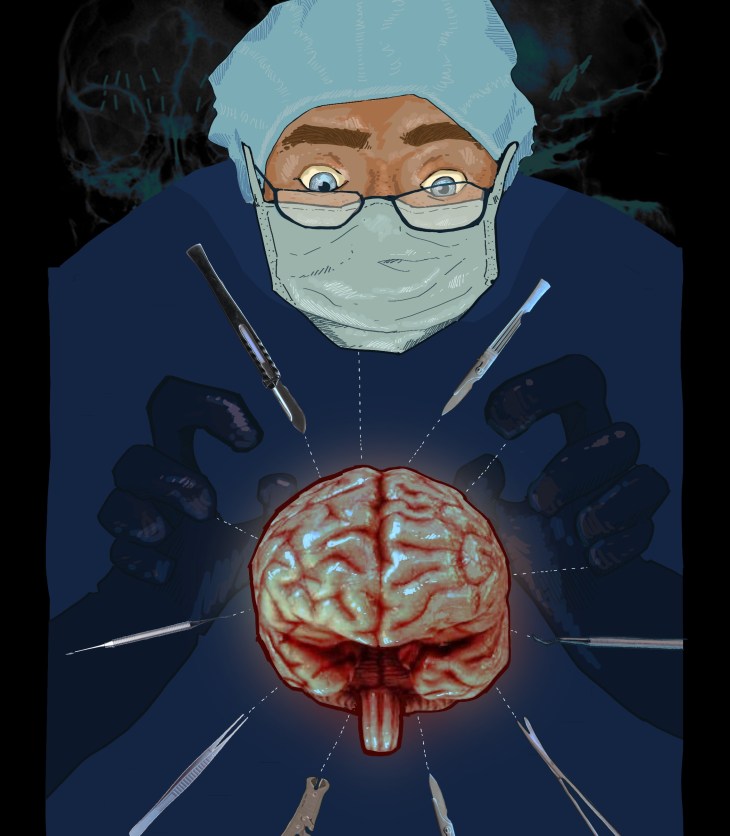
The article examines the complex concept of brainwashing, highlighting how individuals can succumb to extreme beliefs due to social coercion and misinformation. It discusses the significance of schemas in shaping beliefs and behaviors while emphasizing the need for critical thinking to combat manipulation. Ultimately, it calls for valuing human life in political discourse.
Category: Neuroscience and Psychology
Cuteness, characterized by features like large eyes and small noses, evokes intense emotional responses, activating brain regions linked to pleasure and caregiving. This appeal extends to animals and inanimate objects, underscoring its evolutionary significance. Awareness campaigns leverage cuteness to promote conservation, but challenges exist for less aesthetically pleasing species needing support.
Author: Naomi Choi Editor: Milly Mak Artist: Ahmad Bilal Think dopamine just brings happiness? In…
The content discusses the relationship between color perception and depression, highlighting how individuals with depressive disorders often experience altered visual perceptions, such as seeing colors as less saturated. Research indicates that depression impacts both color perception and interpretation, which could guide treatment strategies like art therapy, enhancing communication and support for affected individuals.
Author: Alexia Rasnoveanu Editor: Haowen Xue Artist: Yasmin Love is less a mystery than a…
The article explores the crucial role of sleep in learning and memory consolidation. Neuroscientific studies reveal that sleep enhances the retention of information studied, particularly through slow-wave sleep, which strengthens synaptic connections. While sleep optimizes recall and fosters creativity, quality sleep is vital, as poor sleep can hinder learning and emotional regulation.
The brain operates through electrical signals known as action potentials, forming brain waves that correlate with various cognitive states. Binaural beats, which use sound waves of different frequencies, can induce brain wave synchronization and potentially aid in managing ADHD symptoms by enhancing focus and attention. Further research is necessary to confirm long-term effects.
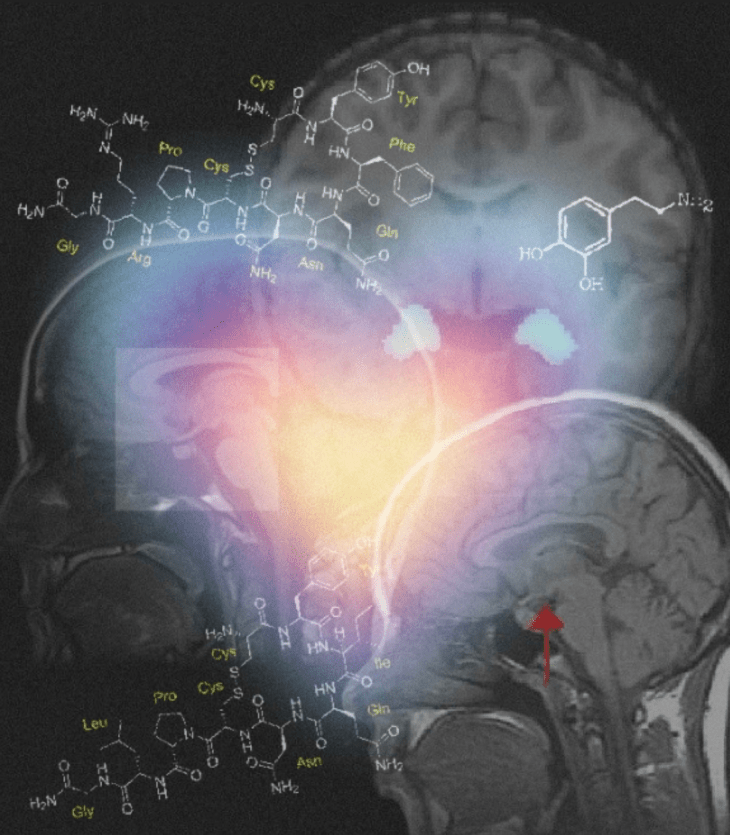
The science of love intertwines biochemical processes and emotional experiences, revealing different types of love—romantic, platonic, and familial—are regulated by various neurochemicals like dopamine, oxytocin, and vasopressin. These elements suggest love is a complex interplay of biology and emotion, shaping our relationships and attachment throughout life.
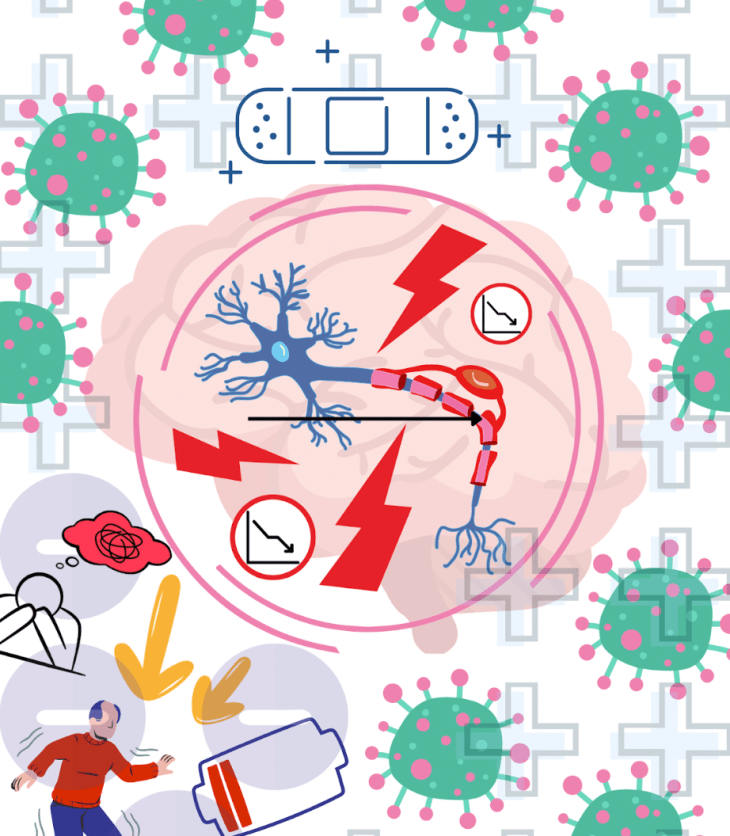
Alzheimer’s disease (AD) is a neurodegenerative disorder that causes cognitive decline and memory loss, primarily due to protein misfolding and aggregation. Recent research highlights the glymphatic system’s role in waste removal in the central nervous system and its dependence on quality sleep, suggesting that disrupted sleep in the elderly may predispose them to AD.
The article discusses the concepts of hyperphantasia and aphantasia, highlighting differences in visual imagery among individuals. Aphantasia, identified recently, reflects a complete lack of visual imagery experienced by about 4% of the population. Research aims to objectively measure and understand these conditions, revealing insights into cognitive processes and creativity despite the absence of visual imagination.