A recent study reveals that fussy eating in children is predominantly influenced by genetics rather than environmental factors, providing relief to concerned parents. Analyzed data from twin families showed that genetic differences account for a significant portion of food fussiness, with environmental influences affecting behavior mainly in early childhood. Further research is needed.
Category: Health
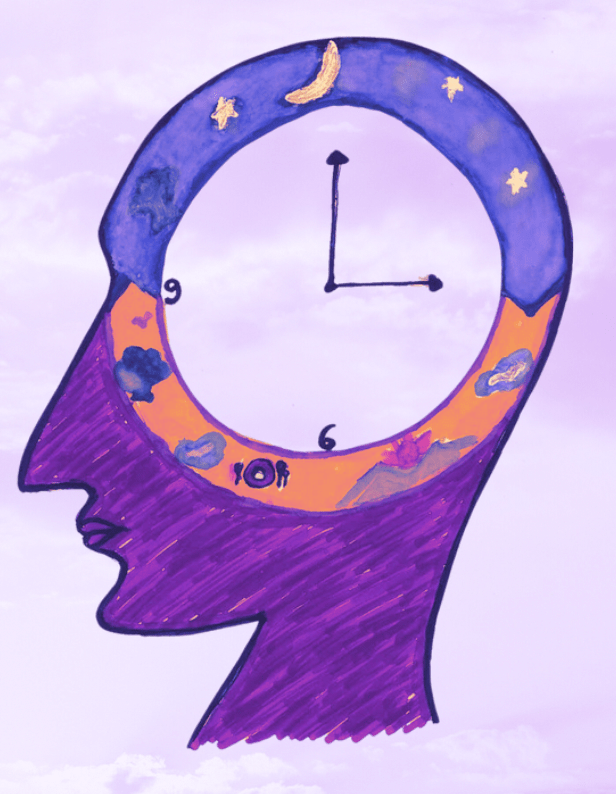
The article discusses chronotypes, which reflect individuals’ natural sleep-wake preferences based on their circadian rhythm. Misalignment due to social schedules, known as social jetlag, particularly affects evening chronotypes, leading to mental health issues and sleep disorders. Understanding chronotypes can aid clinicians in addressing mood disorders tied to societal pressures.
World AIDS Day 2024 highlights progress in combating HIV and the substantial remaining challenges. Advocates and health professionals reflect on successes while recognizing that millions remain untreated. New funds aim to improve screening and access to prevention methods like PrEP and Lenacapavir. Addressing stigma and health inequity is crucial for achieving UNAIDS’ 2030 goals.
Lecanemab is a new monoclonal antibody treatment for Alzheimer’s disease, showing a 27% reduction in cognitive decline, but only a 9.3% reduction in women. Given that women represent two-thirds of Alzheimer’s patients, the data suggests a need for personalized treatments addressing specific demographic vulnerabilities, including race and genetic factors, to improve outcomes.
The Cass Review, initiated by the NHS in 2020, received criticism for deviations from accepted transgender care standards. Its conclusions stemmed from biased methodology and exclusion of vital studies. The review’s restrictive recommendations jeopardize trans youth’s health, reflecting cisnormative bias. The report fails to provide compassionate, informed care needed for these vulnerable individuals.
The brain operates through electrical signals known as action potentials, forming brain waves that correlate with various cognitive states. Binaural beats, which use sound waves of different frequencies, can induce brain wave synchronization and potentially aid in managing ADHD symptoms by enhancing focus and attention. Further research is necessary to confirm long-term effects.
Alzheimer’s disease (AD) is a neurodegenerative disorder that causes cognitive decline and memory loss, primarily due to protein misfolding and aggregation. Recent research highlights the glymphatic system’s role in waste removal in the central nervous system and its dependence on quality sleep, suggesting that disrupted sleep in the elderly may predispose them to AD.
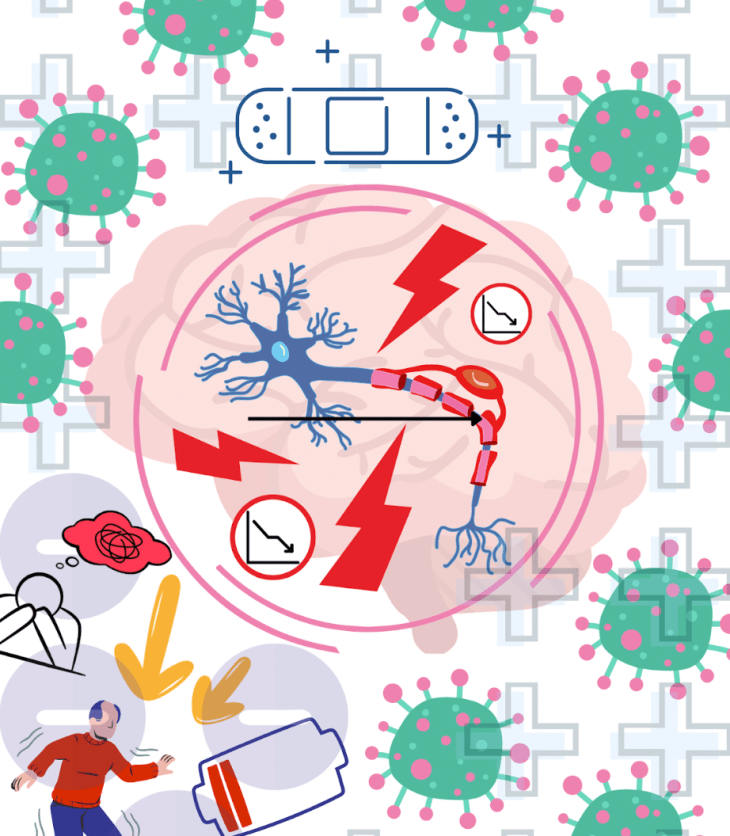
Stress is a primal instinct crucial for survival, but chronic stress can lead to severe health issues like major depressive disorder (MDD) and cardiovascular disease (CVD). Elevated cortisol levels and inflammation play significant roles in these conditions. Understanding stress’s mechanisms can foster new therapeutic approaches to combat these interconnected diseases.
AlphaFold2, developed by Demis Hassabis and others, has transformed protein structure prediction, achieving nearly 90% accuracy in minutes compared to traditional methods like x-ray crystallography. While it predicts over 2 million protein structures and aids in vaccine development, limitations remain in capturing a protein’s full dynamics and ensuring prediction reliability.
The article discusses the perception of alcohol as a toxin despite its cultural acceptance in places like the UK. It highlights the health risks associated with heavy drinking, links to cancer, and its effects on young adults. While some studies suggest benefits of moderate drinking, WHO emphasizes no safe level. Solutions for reducing alcohol consumption include stricter marketing regulations.