Bivalve Buffer Zones: the past, present, and future of NYC’s oyster reef ecosystems

The article by Layla Khazeni explores the significance of waterways in shaping urban centers, focusing on New York’s oyster populations. It details the decline of oysters due to pollution and urbanization, highlighting restoration efforts through the Billion Oyster Project, which unites communities to revive these ecosystems and enhance climate resilience.

Urban Renewal: Restoring Nature in City Centres

The article by Nicole Bowen discusses the importance of green spaces in urban environments, highlighting the integration of natural and man-made ecological structures like community gardens and vertical forests. These initiatives foster community cohesion, improve mental health, and combat isolation, showcasing how urban planning can enhance cityscapes through greenery and biodiversity.

In hot water: Does the UK need to prepare for devastating marine heatwaves?

In June 2023, sea surface temperatures off the UK soared to unprecedented highs, prompting concerns about marine heatwaves. These phenomena threaten marine ecosystems, potentially devastating species like coral and seagrass. While the UK’s incidents are less than in hotter areas, increased intensity and frequency are anticipated due to climate change, affecting local economies.

Temperature Tailored Turtles

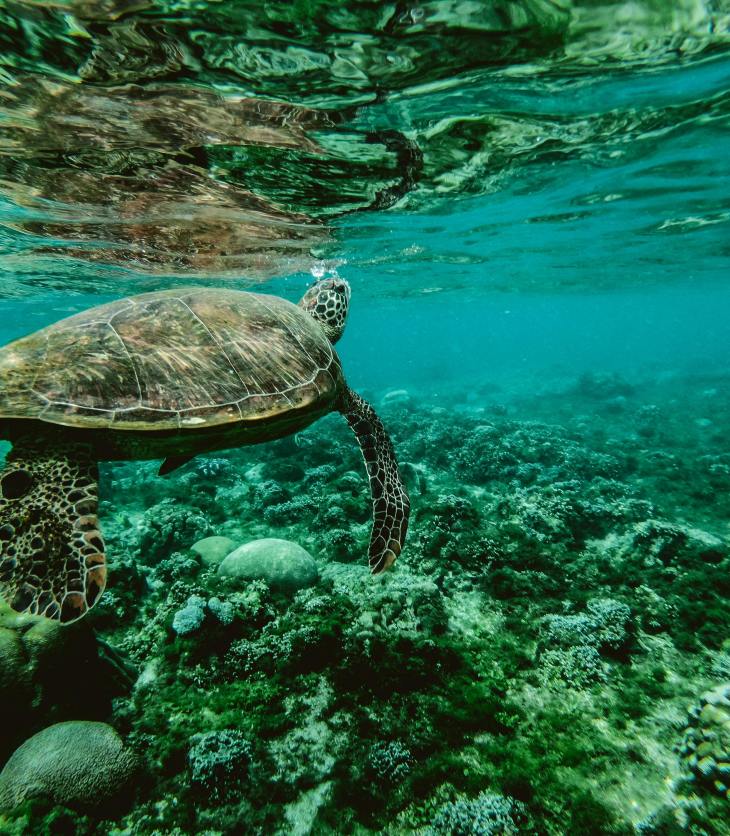
Temperature-dependent sex determination (TSD) influences sex in reptiles like turtles and crocodiles, relying on incubation temperature rather than genetics. As global warming threatens these species, skewed sex ratios and extinction risks increase. Adaptive shifts in nesting behavior are insufficient, requiring urgent conservation actions and climate policies to protect TSD species’ survival.