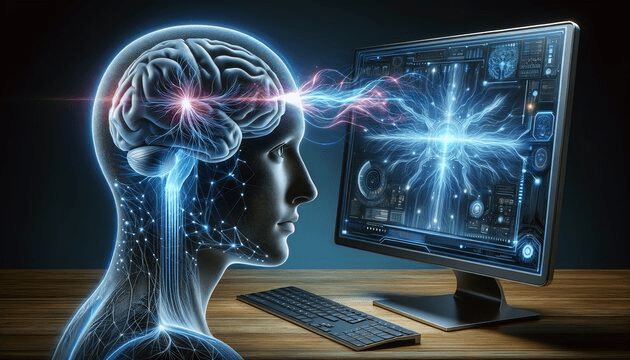
Brain-Computer Interface (BCI) technology translates neural signals into speech, promising new communication forms for those unable to speak due to paralysis. By decoding brain activity associated with language, BCIs enable communication and interaction with devices. However, challenges such as signal complexity and ethical concerns regarding neural data ownership persist as research progresses.
Category: BioTech
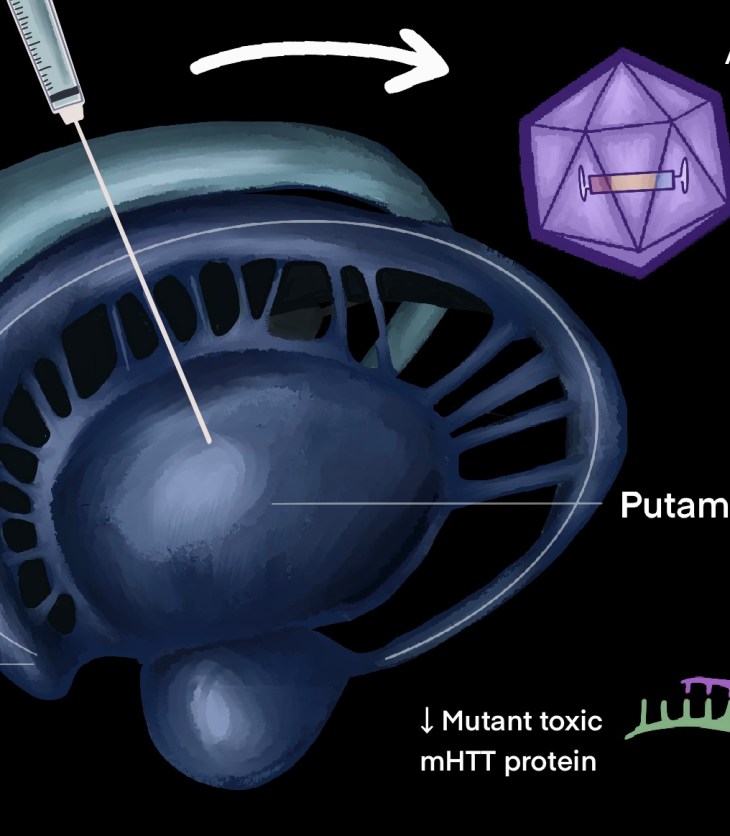
Huntington’s disease is a severe inherited neurodegenerative disorder lacking effective treatments. A UCL research team has pioneered AMT-130, a gene therapy showing promise in slowing disease progression. Early trials indicate safety and significant clinical benefits, marking a hopeful shift towards potentially transformative therapies for Huntington’s and similar conditions.
Cancer treatment has evolved with CAR T-cell therapy, where patients’ immune cells are engineered to target cancer. Developed by UCL’s Professor Waseem Qasim, it has shown promise in reversing aggressive blood cancers, with a patient cancer-free for three years. However, it faces challenges in treating solid tumors and manufacturing costs.
Artificial Intelligence (AI) is significantly transforming biological academia, exemplified by tools like ImmunoMatch, which predicts antibody assembly and enhances therapeutic design. Developed by UCL’s Fraternali Lab, ImmunoMatch accelerates drug development and personalized medicine. The integration of AI in research promises substantial advancements in immunological therapy, benefiting patient care and pharmaceutical innovation.
The British Medical Association reports a rise in adults receiving mental health treatment, prompting interest in bioengineering for improved solutions. Current treatments show limited efficacy, necessitating advancements like precision psychiatry and neuromodulation techniques such as rTMS and DBS. Ethical concerns must be addressed before incorporating these technologies into clinical practice.
The Sapling is an indie video game developed by Wessel Stoop that simulates life evolution across various organism groups. Players can create ecosystems or let randomness guide mutations. Although it sacrifices some realism for playability, its educational value has been recognized, highlighting the potential of video games in learning. The game continues to evolve and excite its community.
Lecanemab is a new monoclonal antibody treatment for Alzheimer’s disease, showing a 27% reduction in cognitive decline, but only a 9.3% reduction in women. Given that women represent two-thirds of Alzheimer’s patients, the data suggests a need for personalized treatments addressing specific demographic vulnerabilities, including race and genetic factors, to improve outcomes.
Nanotechnology has advanced significantly, particularly in medicine, enhancing drug delivery and cancer treatments. Nanotherapeutics, including liposomal formulations and polymer-based drugs, show promise despite challenges in solubility, cost, and safety. Research continues on smart nanomedicines and their clinical applications, with a focus on improving patient outcomes and tackling neurodegenerative diseases.
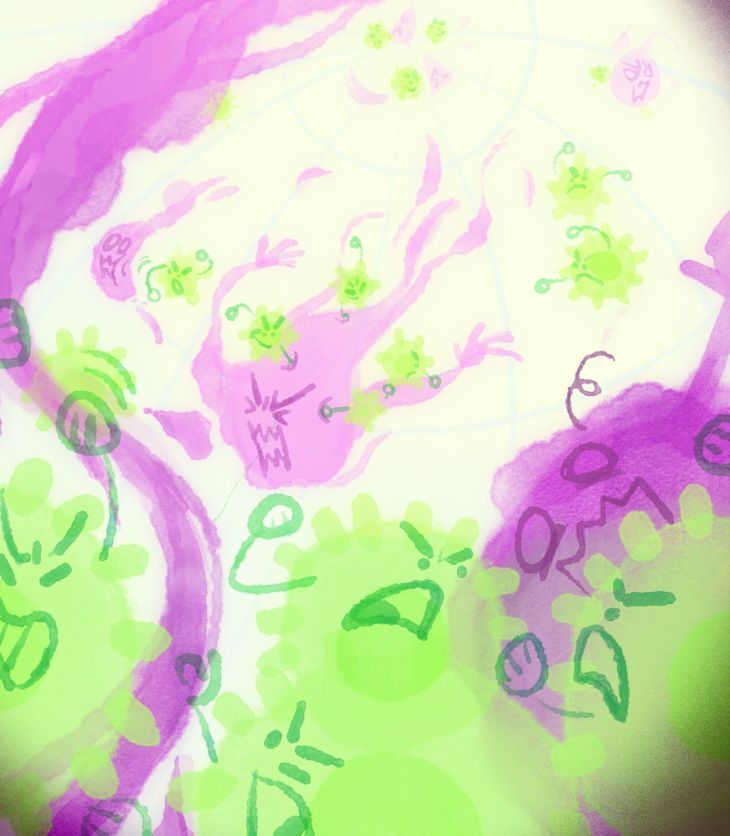
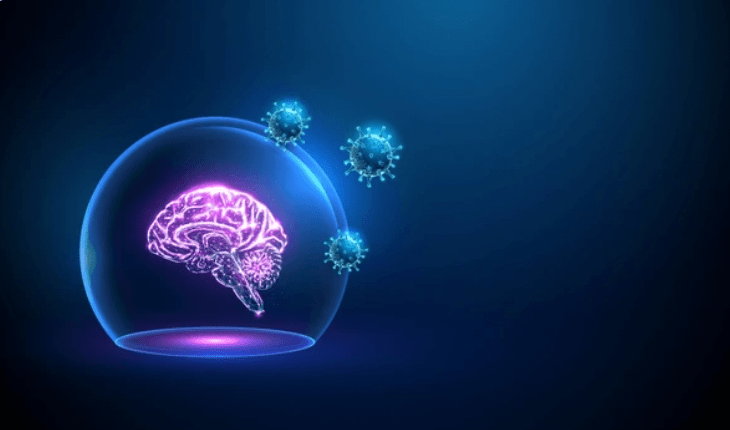
Microbes, particularly viruses, significantly influence our lives. Recent research reveals that viral insertions contributed to the evolution of the myelin sheath, essential for nerve impulse transmission. This discovery highlights the role of transposable elements like RetroMyelin in myelination across vertebrates. Future therapies utilizing viruses may offer advancements in treating neurological diseases.
AlphaFold2, developed by Demis Hassabis and others, has transformed protein structure prediction, achieving nearly 90% accuracy in minutes compared to traditional methods like x-ray crystallography. While it predicts over 2 million protein structures and aids in vaccine development, limitations remain in capturing a protein’s full dynamics and ensuring prediction reliability.