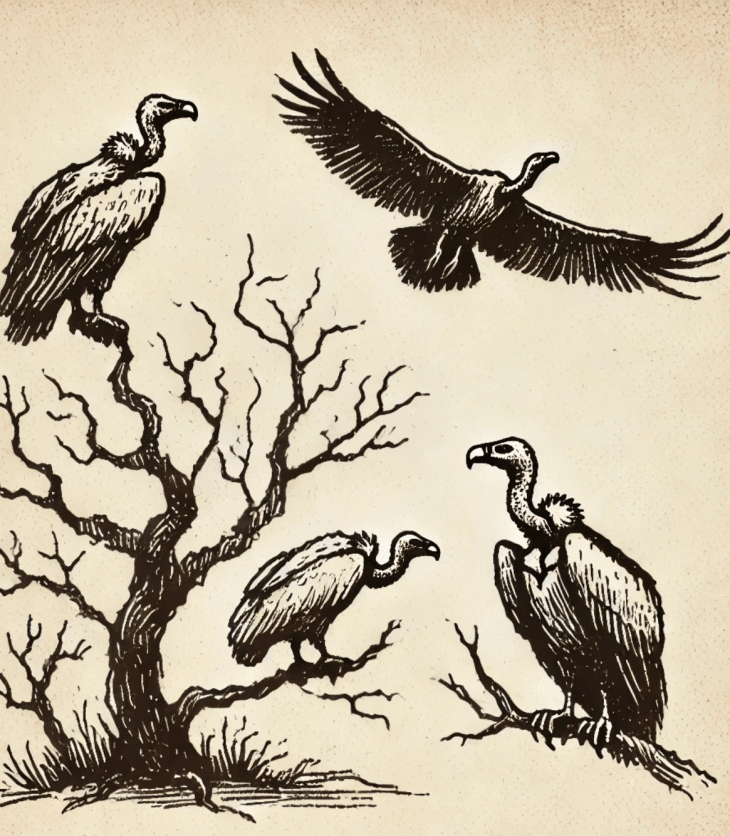
The ongoing sixth mass extinction, primarily caused by humans, has led to the decline of crucial species like vultures in India. Once abundant, their populations have plummeted due to diclofenac use. This collapse adversely impacts public health and the economy, illustrating the necessity of prioritizing conservation for ecologically vital species over charismatic ones.
Tag: nature
The article by Layla Khazeni explores the significance of waterways in shaping urban centers, focusing on New York’s oyster populations. It details the decline of oysters due to pollution and urbanization, highlighting restoration efforts through the Billion Oyster Project, which unites communities to revive these ecosystems and enhance climate resilience.
The article by Nicole Bowen discusses the importance of green spaces in urban environments, highlighting the integration of natural and man-made ecological structures like community gardens and vertical forests. These initiatives foster community cohesion, improve mental health, and combat isolation, showcasing how urban planning can enhance cityscapes through greenery and biodiversity.
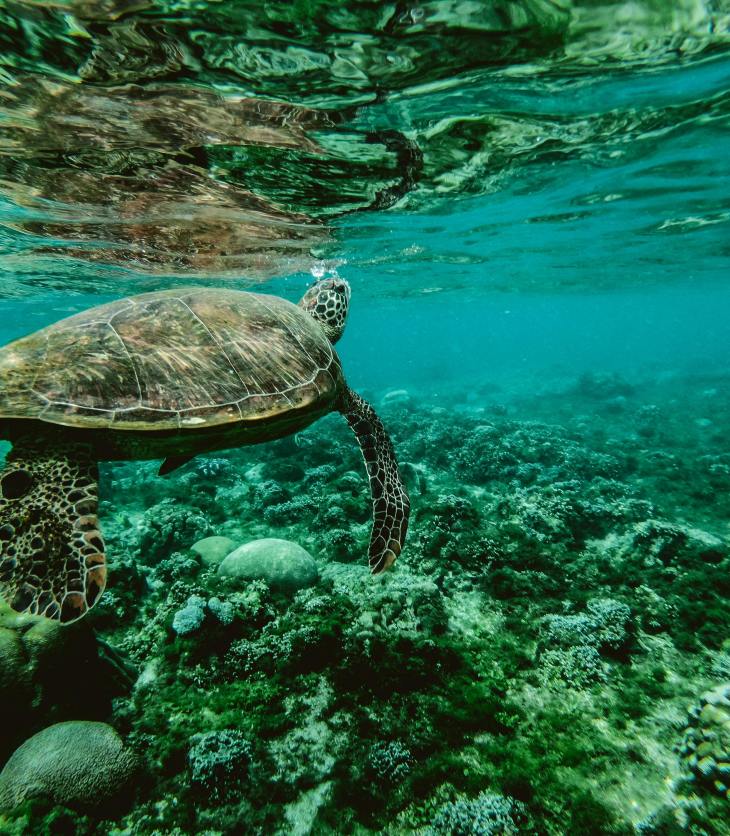
Temperature-dependent sex determination (TSD) influences sex in reptiles like turtles and crocodiles, relying on incubation temperature rather than genetics. As global warming threatens these species, skewed sex ratios and extinction risks increase. Adaptive shifts in nesting behavior are insufficient, requiring urgent conservation actions and climate policies to protect TSD species’ survival.
The majority of model organisms in scientific research develop directly, but indirect life cycles with distinct larval stages are prevalent across Metazoa. These larvae show diverse morphologies and functions, with some feeding and others relying on maternal reserves. Recent studies highlight genetic similarities and differences, suggesting evolutionary patterns among larval forms.