Unmasking the ‘love hormone’: Does oxytocin truly make us more loving?

Oxytocin, known as the ‘love hormone,’ plays a complex role in human emotions and social bonding. It facilitates childbirth and fosters affection, but can also influence in-group bias, leading to discrimination. Understanding oxytocin highlights its dual effects in relationships, showing it contributes to love while underpinning social divisions.

What is Love?: A Short Introduction to Why we Love our Family

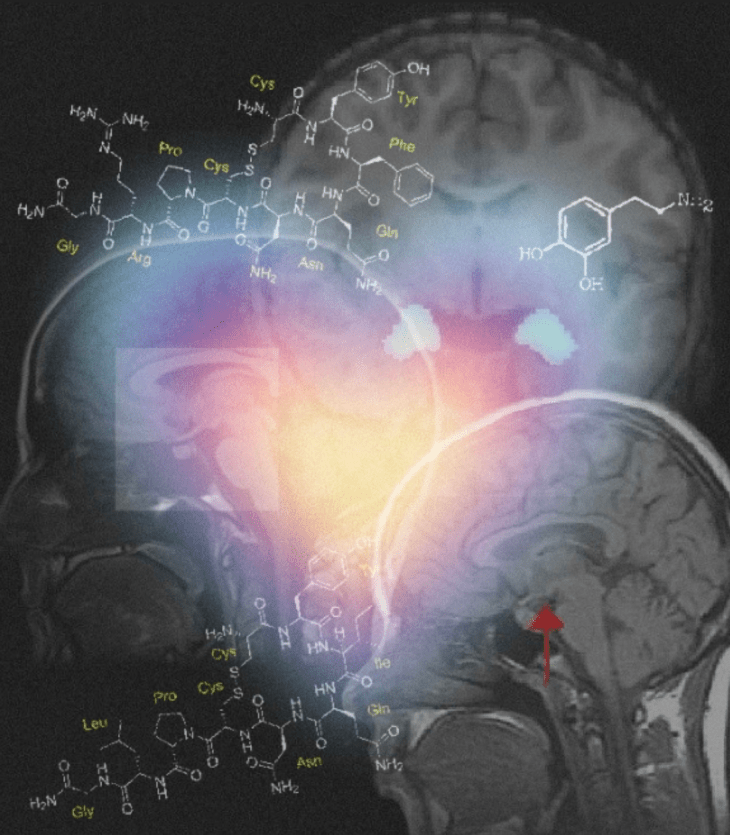
The science of love intertwines biochemical processes and emotional experiences, revealing different types of love—romantic, platonic, and familial—are regulated by various neurochemicals like dopamine, oxytocin, and vasopressin. These elements suggest love is a complex interplay of biology and emotion, shaping our relationships and attachment throughout life.