The article challenges the binary view of sex, discussing the development of sexual differentiation and highlighting intersex conditions. It emphasizes the broad spectrum of Differences in Sex Development (DSDs) and raises questions about societal norms, laws, and medical practices concerning intersex individuals, calling for a reevaluation beyond binary classifications.
This article challenges the assumption that humans are inherently selfish and advocates for prosocial behaviors, arguing that studies on human behavior and altruism question the prevailing capitalist narrative, emphasizing the potential for societal shifts towards cooperation, altruism, and resource-sharing within a socialist framework.
Fandoms, online communities formed around shared interests like art, provide validation and belonging, enhancing mental and physical well-being. Social identity theory explains this connection. While participating in fandoms encourages creativity and critical thinking, online toxicity can detract from the experience. Recognizing and disengaging from toxic behavior is crucial. Moderation is key to prevent negative impacts on health and social life.
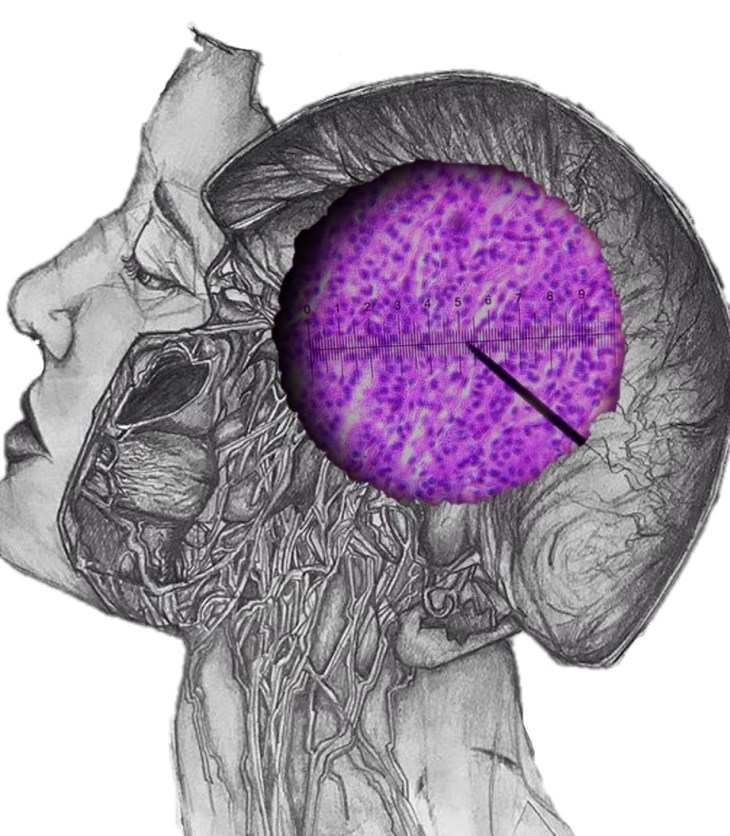
Prion diseases are rare and fatal conditions caused by abnormal folding of brain proteins like Creutzfeldt-Jakob disease. Discovered by Prusiner in 1982, these infectious agents induce misfolding in normal proteins, leading to brain damage. Research institutions are studying prion diseases using cerebral organoids and fluorescence detection methods to develop therapies.
The International Space Station (ISS) serves as a unique laboratory due to microgravity, a near-zero gravity environment. Research on the ISS has led to breakthroughs in tissue engineering, where cartilage tissue grown in microgravity displays superior qualities, offering potential treatments for degenerative conditions. Microgravity also aids in protein crystallography, facilitating the development of drugs like TAS-205 to combat diseases like Duchenne Muscular Dystrophy. Moreover, microgravity enables the development of drug delivery systems, such as picoparticles, for diseases like Alzheimer’s. Despite the planned decommissioning of the ISS in 2031, the future of microgravity research remains promising with the rise of commercial space exploration.
Author: Yunning YuanArtist: Shangyu ChenEditor: Yuen Bing Ooi “Every year 3,000+ babies could benefit from…
Personal genomics companies like 23andMe offer DNA testing to provide insights into health-related traits. While DNA sequencing costs have plummeted, methods like genome-wide association studies (GWAS) have limitations, often identifying only a few variants related to complex diseases. Consumers should be cautious as results may oversimplify health risks and not inform treatment decisions effectively.
Author: Katie KavanaghArtist: Qiwen LiuEditor: Rachel Grosberg Music is a part of everyone’s life, playing…
Author: Elin BonyadiArtist: Bella MarwickEditor: Leonie Hellwich From being a means through which our subconscious…
Jazz musicians experience a state of intense focus and effortless creativity known as “flow” during solos. Using fMRI techniques, researchers found increased activity in the brain’s Default Mode Network (DMN), associated with self-expression and idea generation, and decreased activity in the Executive Control Network (ECN), linked to idea monitoring and evaluation. This suggests that jazz improvisation involves decreased inhibition and increased mind-wandering, reflecting a state of flow. Achieving this state requires practice, technical mastery, and the willingness to take creative risks without excessive self-censoring.