
The article discusses the essential role of proteins in life and the complex processes of protein synthesis involving transcription and translation. It explores the origins of protein synthesis through the RNA World and Thioester World Hypotheses, reflecting recent research by UCL chemists that connects these theories and offers insights into early life emergence through key chemical reactions.
Category: Evolution
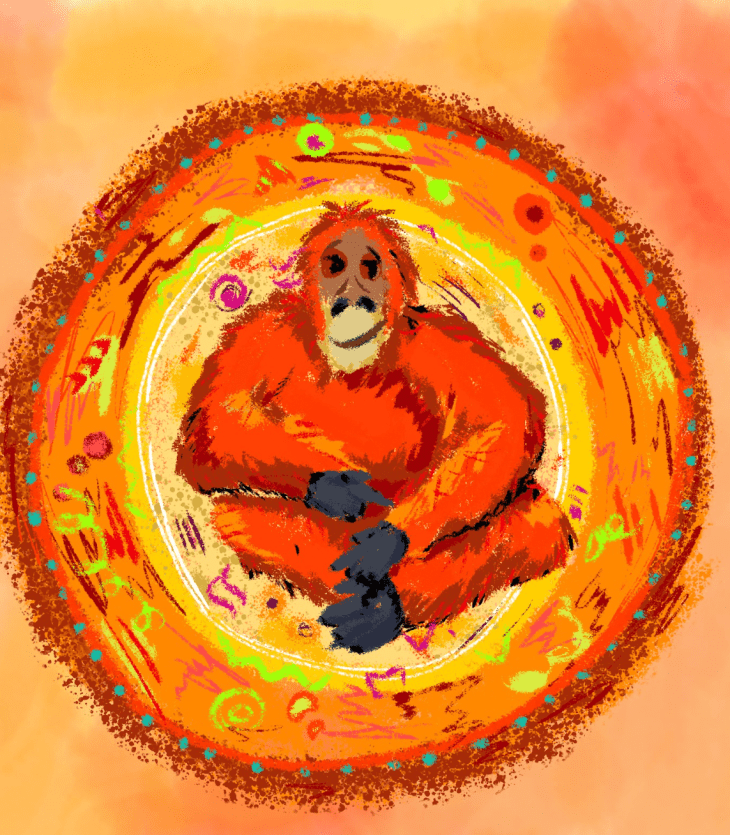
Amber, an orangutan featured on TikTok, showcases her curiosity through gestures at a zoo. Her interactions stimulate public engagement and discussions about primate behavior, cognition, and communication. This phenomenon parallels early scientific exploration and raises important questions about animal intelligence, self-awareness, and the relationship between humans and animals.

AlphaFold2, developed by Demis Hassabis and others, has transformed protein structure prediction, achieving nearly 90% accuracy in minutes compared to traditional methods like x-ray crystallography. While it predicts over 2 million protein structures and aids in vaccine development, limitations remain in capturing a protein’s full dynamics and ensuring prediction reliability.

The majority of model organisms in scientific research develop directly, but indirect life cycles with distinct larval stages are prevalent across Metazoa. These larvae show diverse morphologies and functions, with some feeding and others relying on maternal reserves. Recent studies highlight genetic similarities and differences, suggesting evolutionary patterns among larval forms.

Chimerism in humans refers to the existence of two or more genetically distinct cell lines within a single organism, which can occur naturally or artificially. Types include microchimerism, fusion chimerism, and twin chimerism. Often undetected, chimerism can complicate DNA testing and forensic analysis, leading to potential issues like false negatives.

Before Darwin’s groundbreaking work, biologists struggled to understand what drove organism change. Mendel’s research on peas provided a testable hypothesis of progressive change through genes. However, environmental factors also impact traits, challenging the sole importance of genes. This calls for a holistic approach to evolution, considering both genetic and environmental influences.
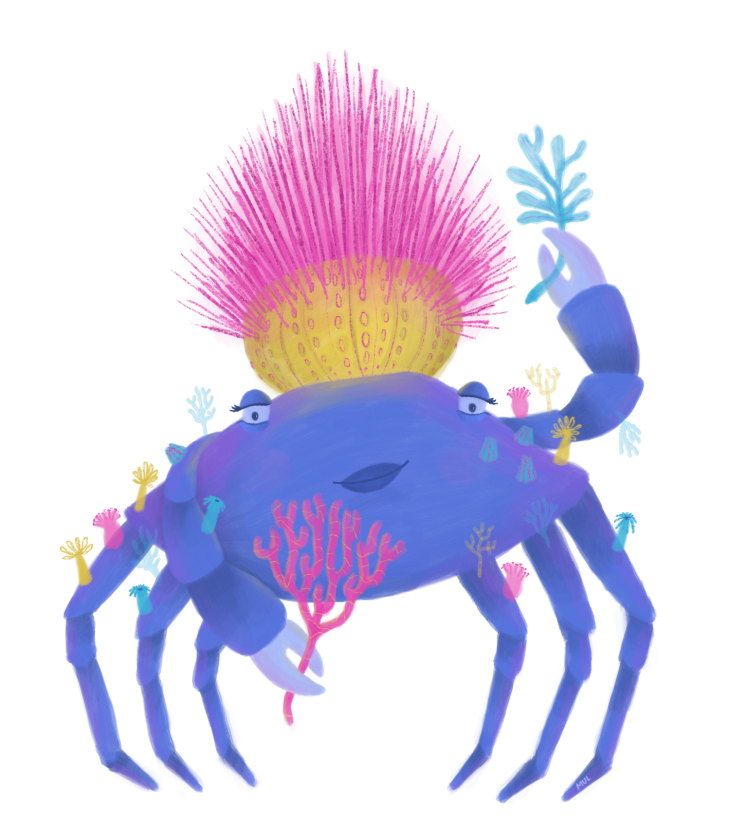
The article explores the aesthetic behaviors of various animals, particularly focusing on the unique shell-decorating practices of Xenophora snails, which provide evolutionary advantages. It also highlights the apparent aesthetic sensibilities in bowerbirds, orcas, and chimpanzees, suggesting that these behaviors indicate self-expression and culture beyond mere survival instincts.

This article gives a brief overview of the historical divide between science and religion regarding evolution and how such debates influence how science is communicated today.

These shape-shifters (the common ancestor of modern-day squids, octopuses and cuttlefish) use their camouflage skills for hunting, communication and even outsmarting rivals … but they’re colour blind!
 Kinesis Magazine