
The article discusses the significance of palliative care in the face of terminal illness and highlights the challenges in its accessibility, with a focus on the recently introduced Assisted Dying Bill in the UK. Dr. Libby Sallnow stresses ethical concerns over eligibility assessments, advocating for improved palliative care while encouraging public dialogue on end-of-life choices.
Category: Deep-Dive
This article exposes UCL’s ties to military industries through investments and research, revealing the institution’s responsibility in Palestine’s humanitarian crisis and healthcare collapse. It calls for accountability and commitment in light of the bicentennial celebrations.
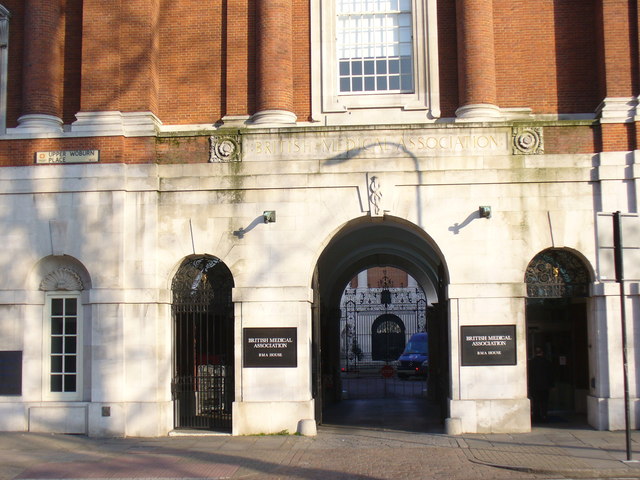
The British Medical Association (BMA) announced that the resident doctors’ strike will conclude on December 22, following a vote where 83% supported the action after rejecting a government offer. Tensions between the BMA and the government have escalated, particularly over pay restoration and training positions amidst criticism from the Health Secretary.

Kinesis Magazine invited 80 candidates to present their cases for becoming STEM Faculty Representatives, but only six responded. The article highlights their plans for promoting student voices and accountability. Each candidate expressed a commitment to amplify concerns, enhance communication, and foster community collaboration within the University College London while ensuring transparency and support for their peers.

The UCL Medical Society’s leadership candidates were disqualified days before elections after a complaint about a nomination form intended to encourage participation. The President criticized the lack of communication and transparency. Low voter turnout highlighted ongoing issues in student engagement, raising concerns over the impact on crucial society roles and exam preparations.

The UCL Medical Society’s leadership candidates were disqualified days before elections after a complaint about a nomination form intended to encourage participation. The President criticized the lack of communication and transparency. Low voter turnout highlighted ongoing issues in student engagement, raising concerns over the impact on crucial society roles and exam preparations.
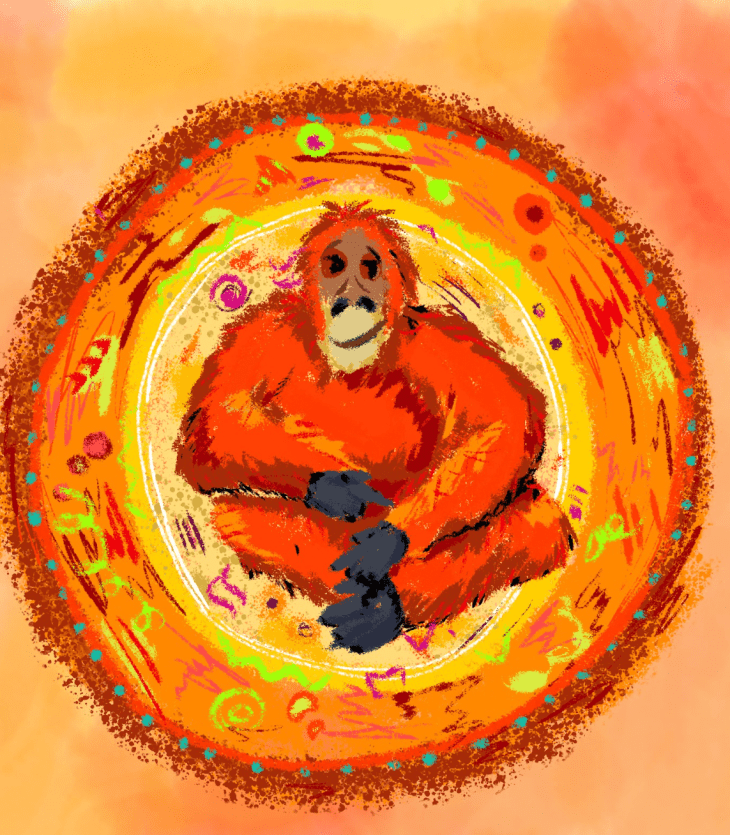
Amber, an orangutan featured on TikTok, showcases her curiosity through gestures at a zoo. Her interactions stimulate public engagement and discussions about primate behavior, cognition, and communication. This phenomenon parallels early scientific exploration and raises important questions about animal intelligence, self-awareness, and the relationship between humans and animals.

The Cass Review, initiated by the NHS in 2020, received criticism for deviations from accepted transgender care standards. Its conclusions stemmed from biased methodology and exclusion of vital studies. The review’s restrictive recommendations jeopardize trans youth’s health, reflecting cisnormative bias. The report fails to provide compassionate, informed care needed for these vulnerable individuals.

The article discusses mankind’s potential colonization of interstellar planets, emphasizing the unsustainability of traditional food packaging for space missions. It highlights the significance of plants in bioregenerative life support systems, their adaptation to microgravity and gamma radiation, and the benefits of gamma radiation in enhancing plant resilience and productivity, crucial for future space colonization and addressing climate change.

The recent increase in tuition fees for medical students in the UK, now £9,535, exacerbates the existing funding crisis, sparking frustration among students. Financial barriers hinder access to vital exam resources while the rigorous demands of medical training take a psychological toll, threatening to drive students away from the profession. Immediate reforms are necessary.
 Kinesis Magazine