
Unlocking the potential of Inuit traditional knowledge enriches scientific research, offering unique insights into environmental changes and biodiversity, while advocating for a collaborative, equitable approach in addressing global challenges.
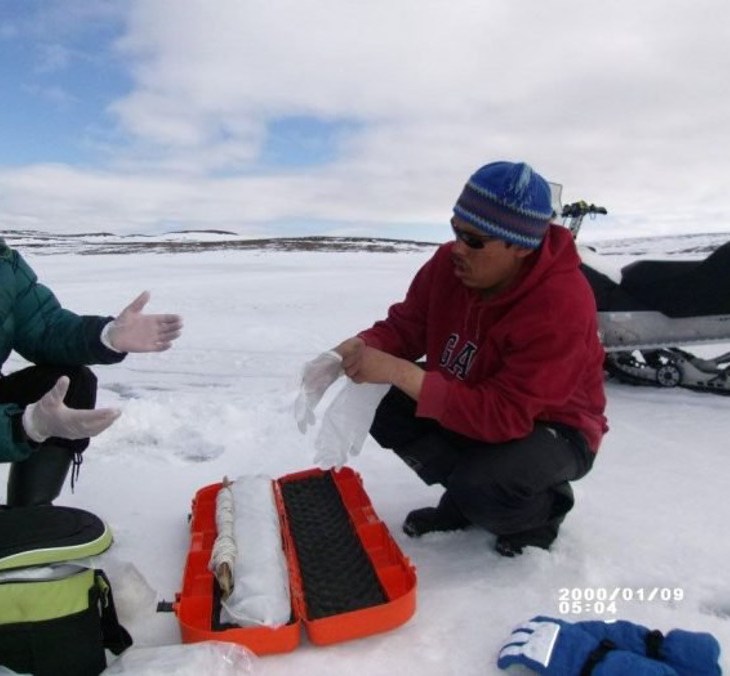
Unlocking the potential of Inuit traditional knowledge enriches scientific research, offering unique insights into environmental changes and biodiversity, while advocating for a collaborative, equitable approach in addressing global challenges.
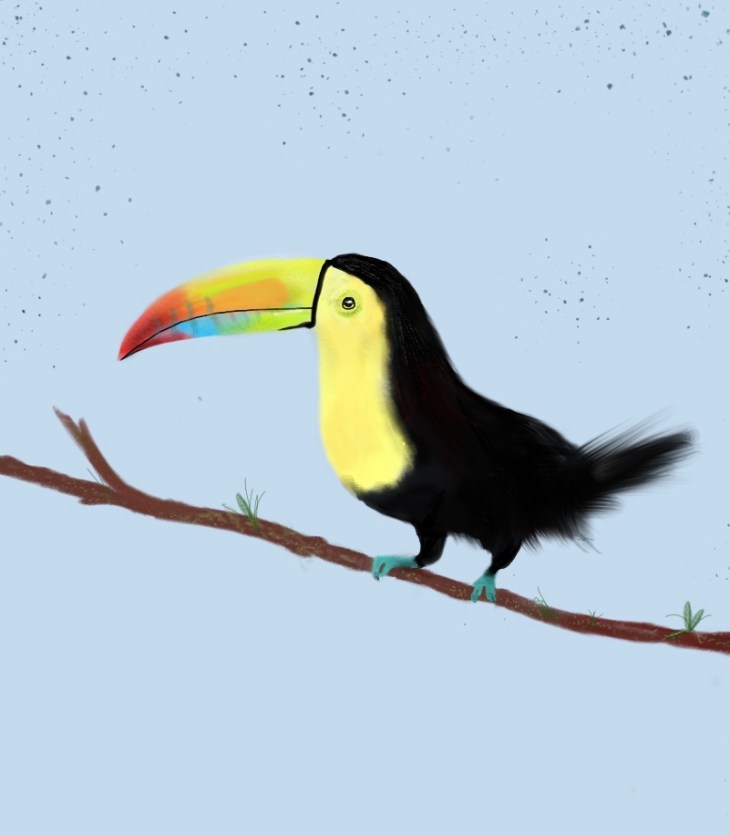
Explore the hidden paradise of Warapoka, where indigenous Warau people are fighting to conserve the rainforest’s biodiversity threatened by activities like gold mining, fostering a unique bond with nature and advocating for global recognition of indigenous territories.
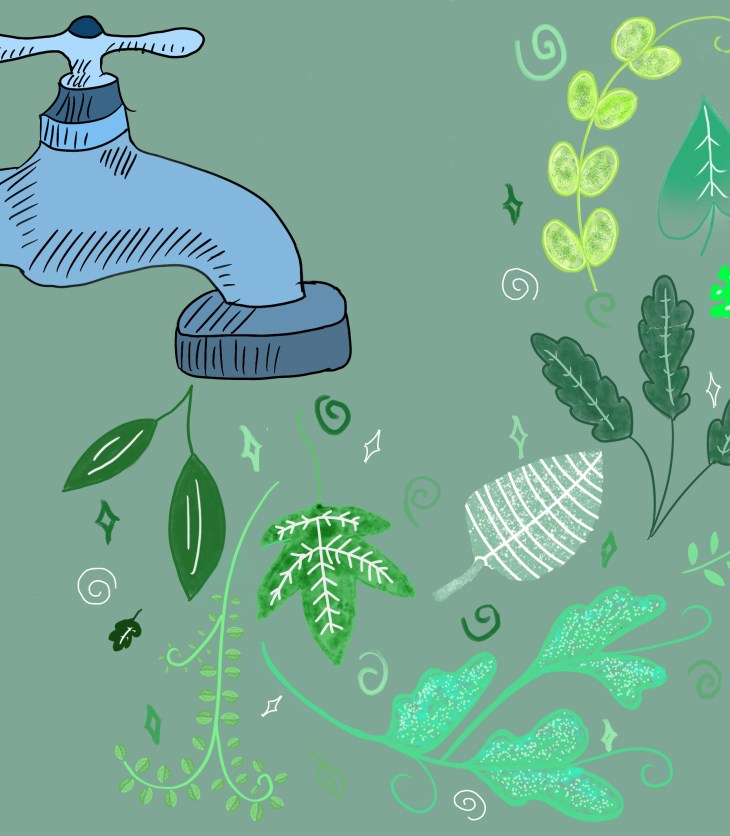
Biofuels, derived from living matter, present a sustainable alternative to fossil fuels but face challenges in efficiency and production. First- and second-generation biofuels, while addressing food crop concerns, are less suitable for aviation and heavy vehicles. Third-generation biofuels from algae show promise, yet high costs and resource demands hinder progress. More research is essential.
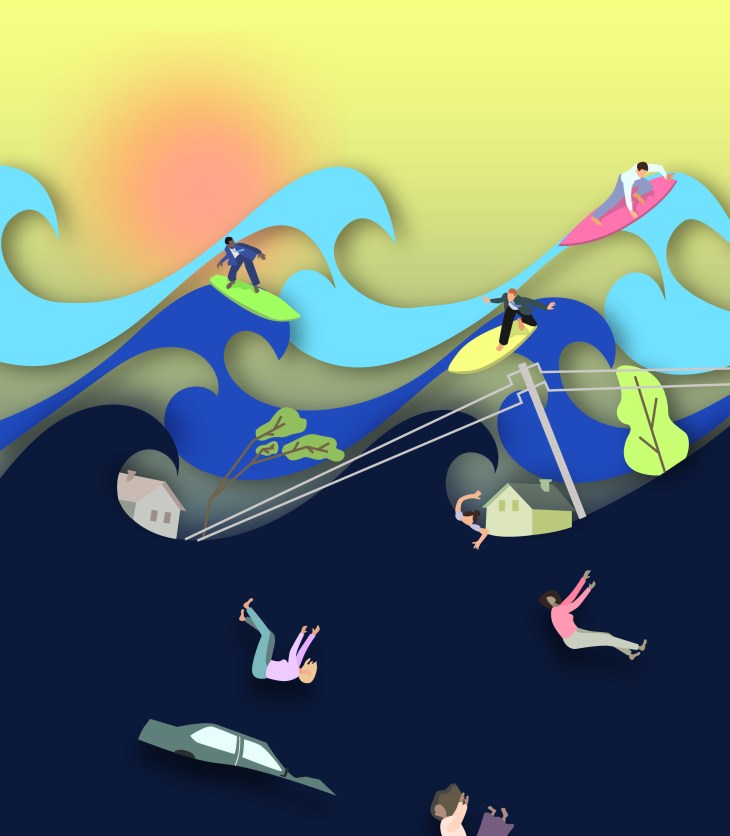
Climate change disproportionately affects women, particularly in low and middle-income countries, exacerbating gender inequality. Women, who dominate subsistence farming and informal economies, face barriers in education, healthcare, and employment. Extreme climate events lead to higher female mortality rates, and inadequate representation in policymaking hinders gender-responsive climate strategies, perpetuating these issues.

These shape-shifters (the common ancestor of modern-day squids, octopuses and cuttlefish) use their camouflage skills for hunting, communication and even outsmarting rivals … but they’re colour blind!

The theory by botanist Gottlieb Haberlandt proposed that plants might “see” similarly to animals. Recent studies on the Boquila Trifoliolata vine reveal its remarkable mimicry of host leaves, suggesting potential sensory capabilities. Experiments indicate that this plant can adapt its appearance even without genetic information, supporting the hypothesis of “plant ocelli.”

Seaweed farms are emerging as a significant climate change solution, with Europe aiming to cultivate 8 million metric tons annually by 2030. These farms can absorb carbon dioxide and offer versatile applications like biofuel, packaging, and fertilizers. However, sustainability concerns and potential ecological impacts require further research to ensure their effectiveness and minimize risks.
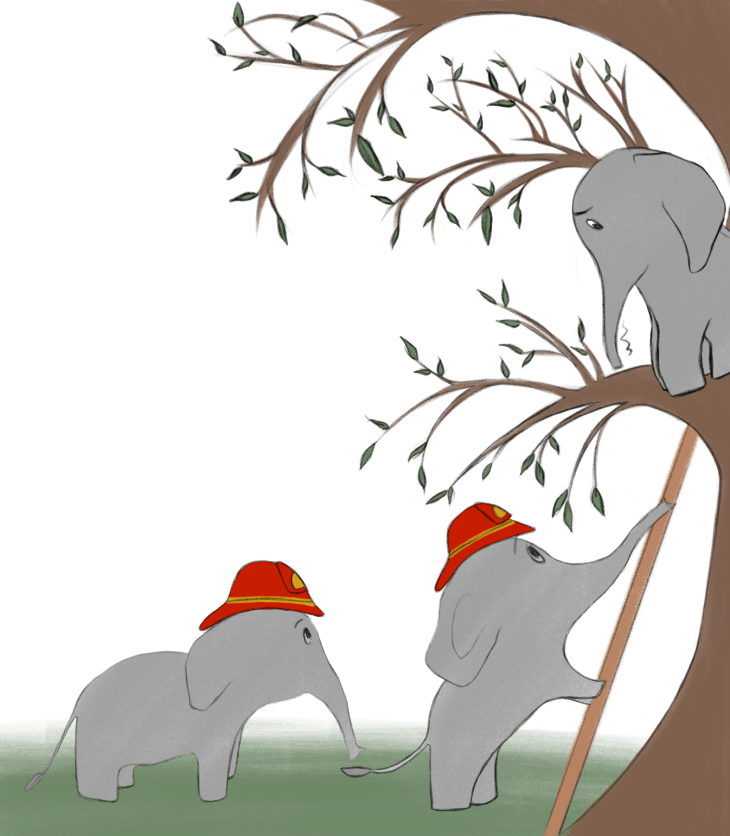
Rescue behavior, primarily observed in humans, is rare among animals, where individuals risk harm to help others in distress without immediate personal benefit. Documented examples include Seychelles warblers and wild boars. The potential link to empathy suggests evolutionary advantages for group survival, highlighting animals’ capabilities and adaptability in response to environmental pressures.

Read this article to learn about the impact of concussion and neurodegenerative disease in contact sports. Discover the origins of concern dating back to the 1920s, ongoing research on Chronic Traumatic Encephalopathy (CTE), media controversies and the importance of balanced narratives.
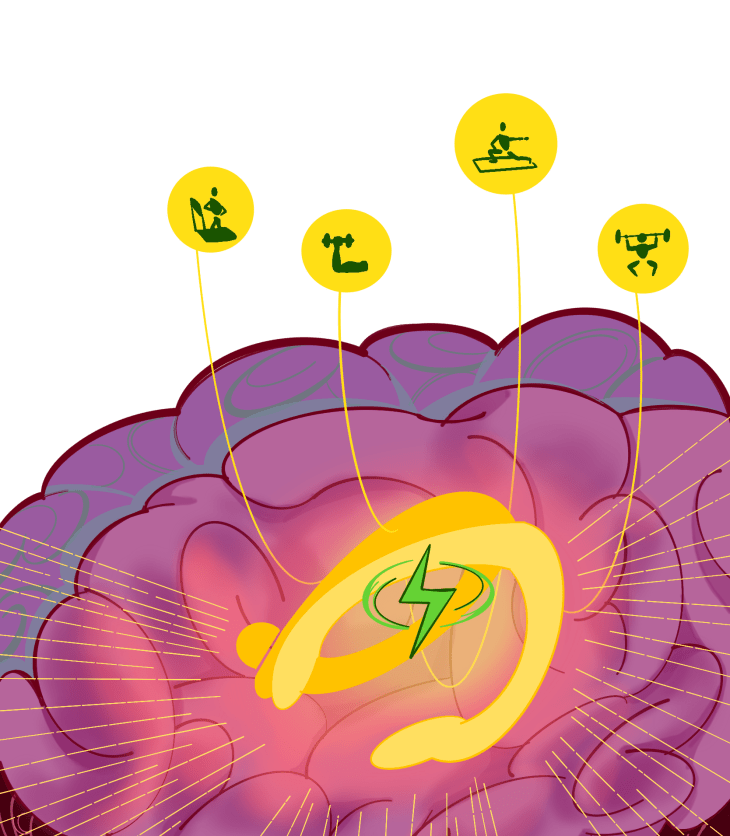
How working out can improve your memory, concentration and potentially delay the onset of Alzheimer’s…
 kinesismagazine.com