
Over the last 200 years, UCL has produced five Nobel Prize winners in neuroscience, including Dale & Loewi, Huxley, Katz, O’Keefe, and Hinton. Their groundbreaking work has advanced our understanding of neural communication, electrical signals, neurotransmitter release, cognitive mapping, and AI, significantly influencing modern neuroscience and technology.
Tag: neuroscience

The article discusses the phenomenon of “choking” under pressure, illustrated through examples from sports and gaming. Research by Smoulder et al. explores this phenomenon in rhesus monkeys, revealing that excessive reward pressure can hinder performance. While their findings provide insights into the neural mechanisms involved, further studies are necessary to relate these findings to humans.
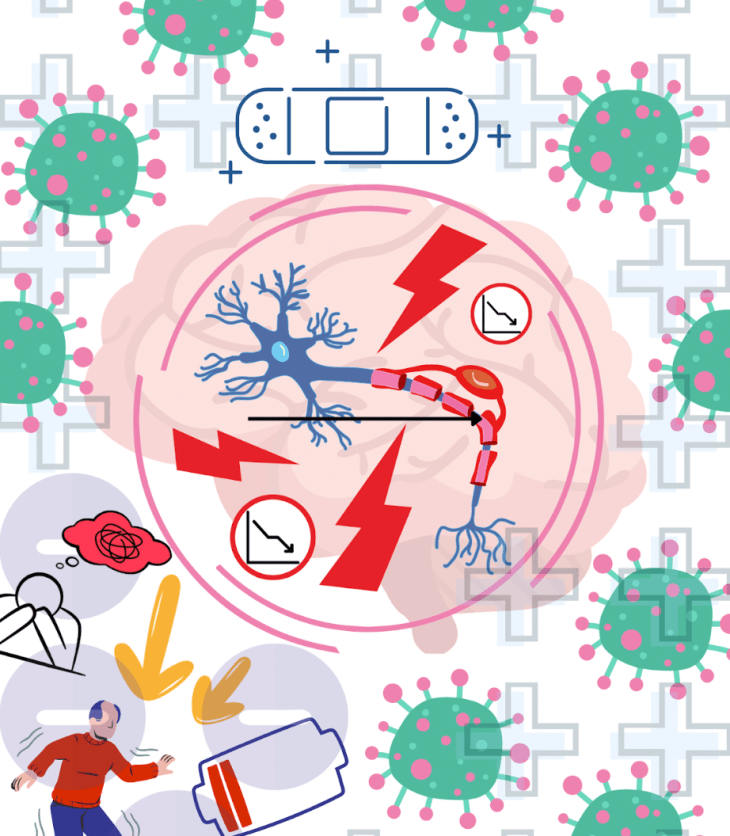
Author: Naomi Choi Editor: Milly Mak Artist: Ahmad Bilal Think dopamine just brings happiness? In…
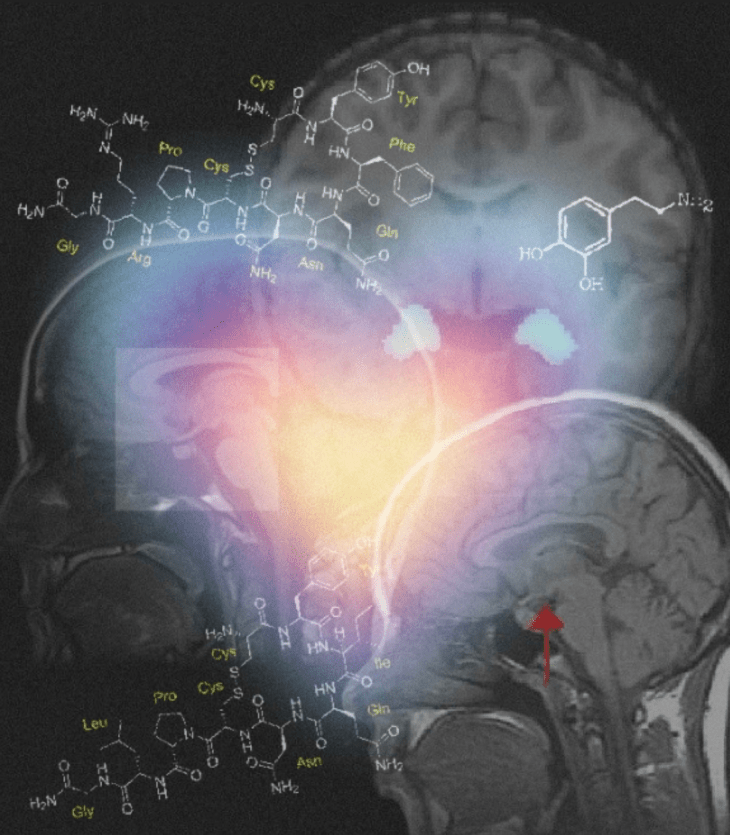
Author: Alexia Rasnoveanu Editor: Haowen Xue Artist: Yasmin Love is less a mystery than a…
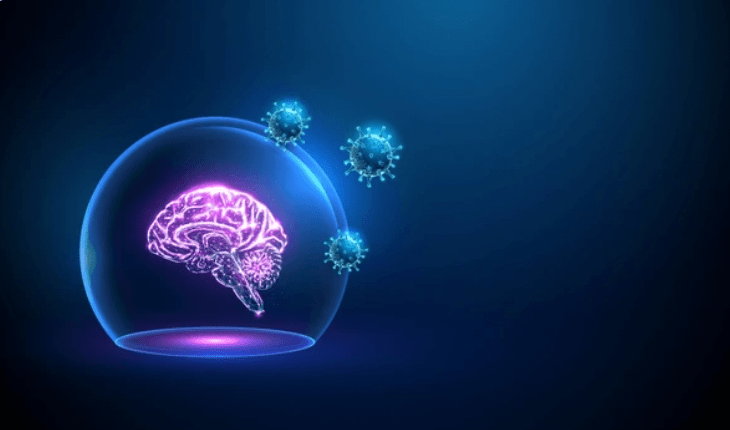
Microbes, particularly viruses, significantly influence our lives. Recent research reveals that viral insertions contributed to the evolution of the myelin sheath, essential for nerve impulse transmission. This discovery highlights the role of transposable elements like RetroMyelin in myelination across vertebrates. Future therapies utilizing viruses may offer advancements in treating neurological diseases.

In 1956, Phillip K. Dick’s “The Minority Report” introduced the concept of predicting crime through “precogs.” Modern neuroforecasting employs brain activity analysis to anticipate criminal behavior and consumer actions. Studies show its potential in crime prediction and marketing effectiveness, raising ethical questions about free will and the surveillance of individuals marked for criminality.
 Kinesis Magazine