Everything looks grey—literal or metaphorical?

The content discusses the relationship between color perception and depression, highlighting how individuals with depressive disorders often experience altered visual perceptions, such as seeing colors as less saturated. Research indicates that depression impacts both color perception and interpretation, which could guide treatment strategies like art therapy, enhancing communication and support for affected individuals.

Fussy eating is mostly due to genetics in children and teens

A recent study reveals that fussy eating in children is predominantly influenced by genetics rather than environmental factors, providing relief to concerned parents. Analyzed data from twin families showed that genetic differences account for a significant portion of food fussiness, with environmental influences affecting behavior mainly in early childhood. Further research is needed.

What’s your Chronotype sign? The effects of our circadian rhythm on our health

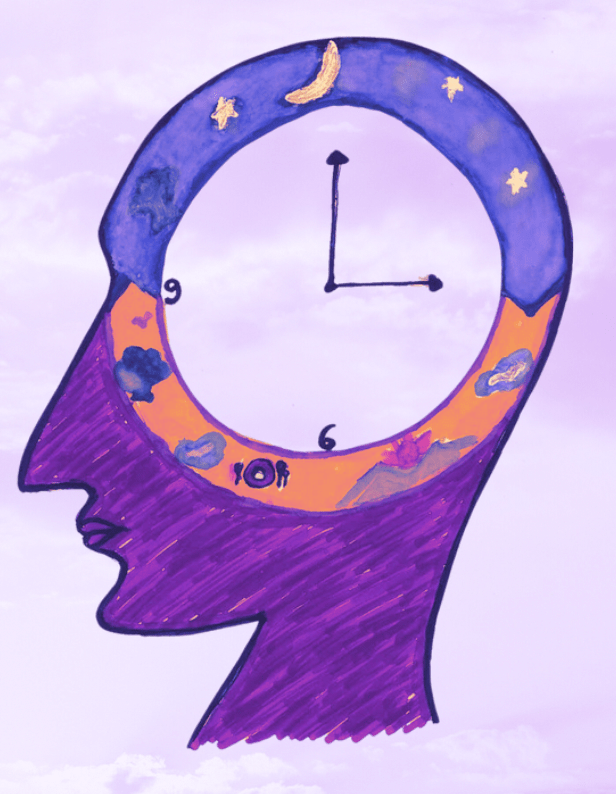
The article discusses chronotypes, which reflect individuals’ natural sleep-wake preferences based on their circadian rhythm. Misalignment due to social schedules, known as social jetlag, particularly affects evening chronotypes, leading to mental health issues and sleep disorders. Understanding chronotypes can aid clinicians in addressing mood disorders tied to societal pressures.

Time is Running Out: Can We Stop the Spread of HIV by 2030?

World AIDS Day 2024 highlights progress in combating HIV and the substantial remaining challenges. Advocates and health professionals reflect on successes while recognizing that millions remain untreated. New funds aim to improve screening and access to prevention methods like PrEP and Lenacapavir. Addressing stigma and health inequity is crucial for achieving UNAIDS’ 2030 goals.

Sleep to Succeed: The Overlooked Secret of Learning

The article explores the crucial role of sleep in learning and memory consolidation. Neuroscientific studies reveal that sleep enhances the retention of information studied, particularly through slow-wave sleep, which strengthens synaptic connections. While sleep optimizes recall and fosters creativity, quality sleep is vital, as poor sleep can hinder learning and emotional regulation.

Can the right frequency unlock the brain’s potential? Binaural beats and the brain

The brain operates through electrical signals known as action potentials, forming brain waves that correlate with various cognitive states. Binaural beats, which use sound waves of different frequencies, can induce brain wave synchronization and potentially aid in managing ADHD symptoms by enhancing focus and attention. Further research is necessary to confirm long-term effects.

How Iron Man Inspires the Use of Nanotechnology in Medicine

Nanotechnology has advanced significantly, particularly in medicine, enhancing drug delivery and cancer treatments. Nanotherapeutics, including liposomal formulations and polymer-based drugs, show promise despite challenges in solubility, cost, and safety. Research continues on smart nanomedicines and their clinical applications, with a focus on improving patient outcomes and tackling neurodegenerative diseases.

What is Love?: A Short Introduction to Why we Love our Family

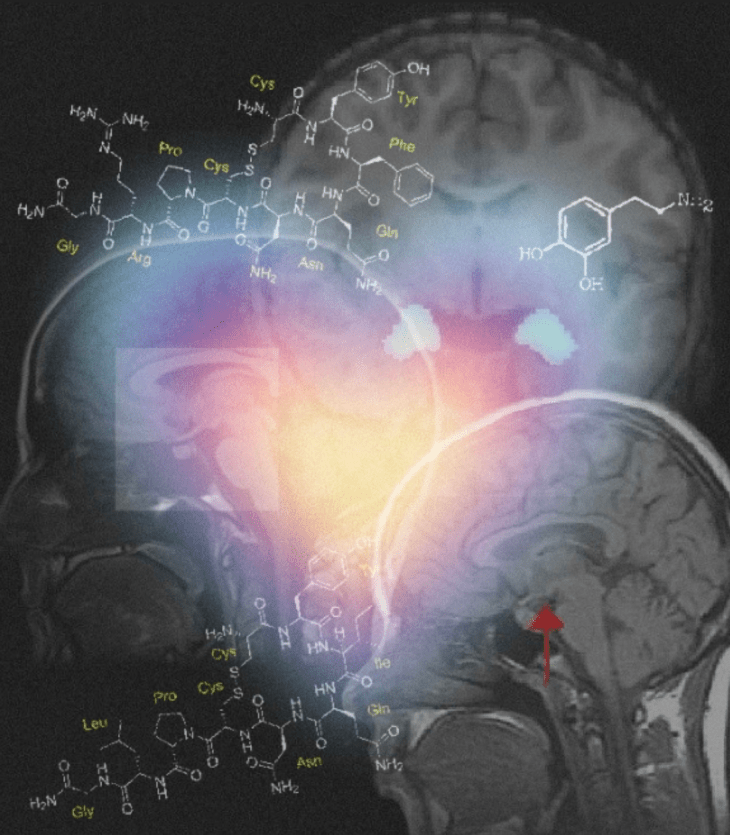
The science of love intertwines biochemical processes and emotional experiences, revealing different types of love—romantic, platonic, and familial—are regulated by various neurochemicals like dopamine, oxytocin, and vasopressin. These elements suggest love is a complex interplay of biology and emotion, shaping our relationships and attachment throughout life.

How our brains went viral: the tiny actors behind our intellectual surge

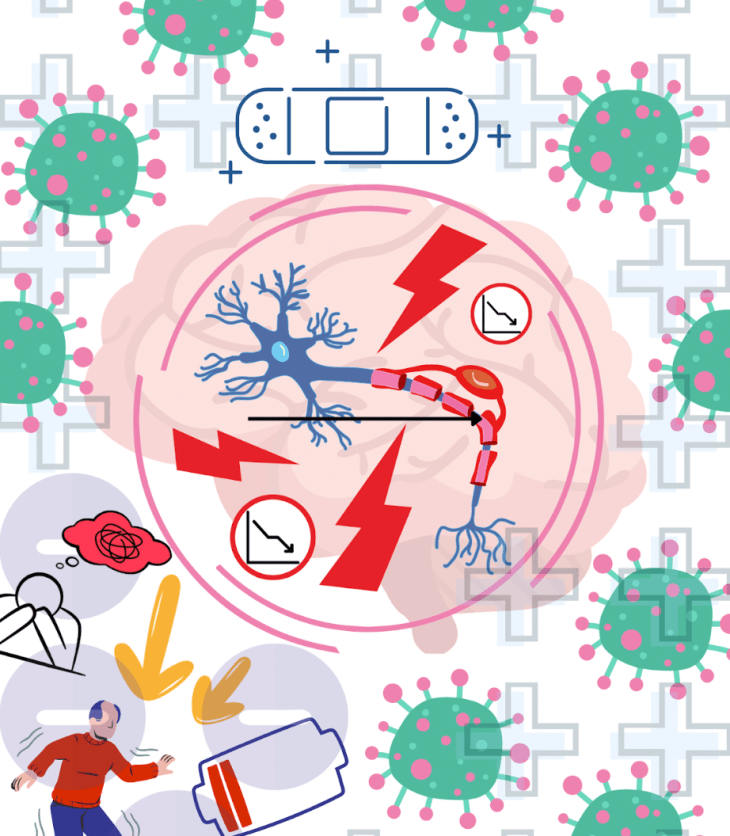
Microbes, particularly viruses, significantly influence our lives. Recent research reveals that viral insertions contributed to the evolution of the myelin sheath, essential for nerve impulse transmission. This discovery highlights the role of transposable elements like RetroMyelin in myelination across vertebrates. Future therapies utilizing viruses may offer advancements in treating neurological diseases.