A recent study reveals that fussy eating in children is predominantly influenced by genetics rather than environmental factors, providing relief to concerned parents. Analyzed data from twin families showed that genetic differences account for a significant portion of food fussiness, with environmental influences affecting behavior mainly in early childhood. Further research is needed.
Tag: Genetics
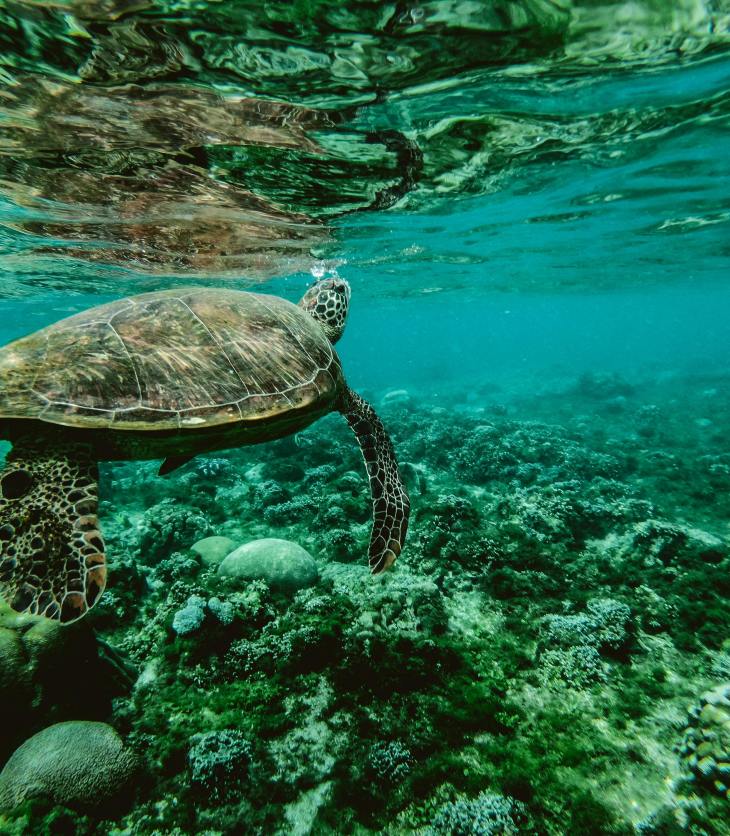
Temperature-dependent sex determination (TSD) influences sex in reptiles like turtles and crocodiles, relying on incubation temperature rather than genetics. As global warming threatens these species, skewed sex ratios and extinction risks increase. Adaptive shifts in nesting behavior are insufficient, requiring urgent conservation actions and climate policies to protect TSD species’ survival.
Chimerism in humans refers to the existence of two or more genetically distinct cell lines within a single organism, which can occur naturally or artificially. Types include microchimerism, fusion chimerism, and twin chimerism. Often undetected, chimerism can complicate DNA testing and forensic analysis, leading to potential issues like false negatives.
Before Darwin’s groundbreaking work, biologists struggled to understand what drove organism change. Mendel’s research on peas provided a testable hypothesis of progressive change through genes. However, environmental factors also impact traits, challenging the sole importance of genes. This calls for a holistic approach to evolution, considering both genetic and environmental influences.