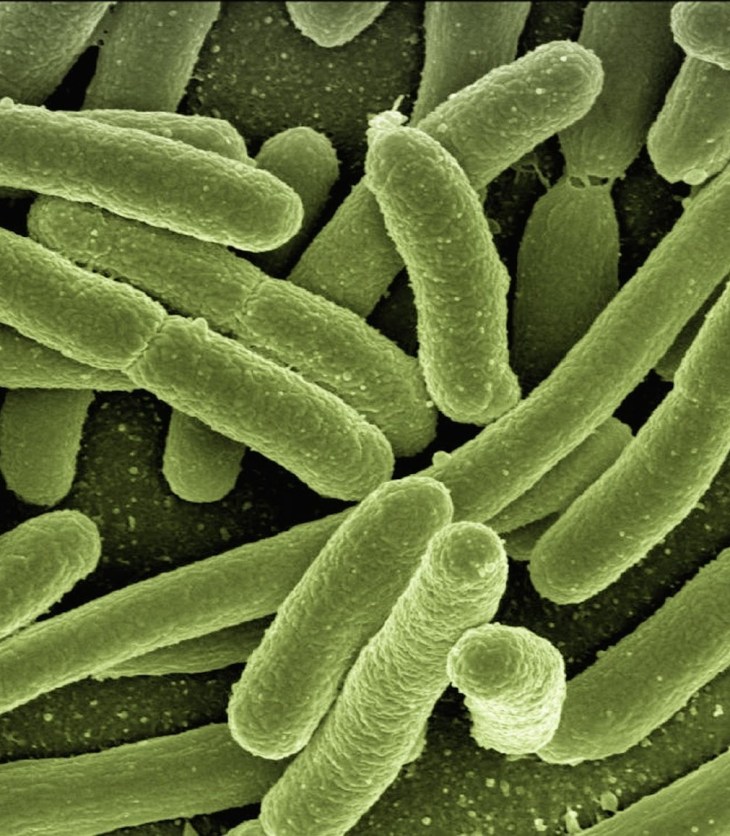
Interest in gut microbiota has surged, linking it to various health issues, including cancer treatment. Comprising beneficial bacteria, it plays roles in digestion and immune system function. Specific strains, like F. prasunitzii, show promise in enhancing responses to cancer therapies, highlighting the microbiota’s potential in future cancer treatments.
Tag: cancer
Nanotechnology has advanced significantly, particularly in medicine, enhancing drug delivery and cancer treatments. Nanotherapeutics, including liposomal formulations and polymer-based drugs, show promise despite challenges in solubility, cost, and safety. Research continues on smart nanomedicines and their clinical applications, with a focus on improving patient outcomes and tackling neurodegenerative diseases.
Chimerism in humans refers to the existence of two or more genetically distinct cell lines within a single organism, which can occur naturally or artificially. Types include microchimerism, fusion chimerism, and twin chimerism. Often undetected, chimerism can complicate DNA testing and forensic analysis, leading to potential issues like false negatives.