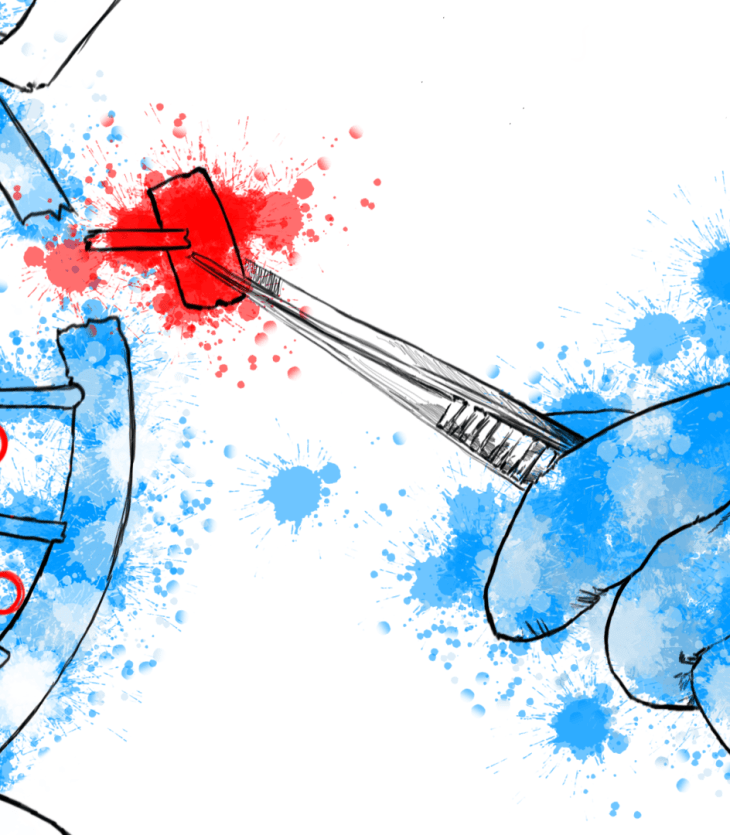
Turning Back Time: a Technique that Reverses the Age of Skin Cells

Research highlights a novel method called maturation phase transient reprogramming (MTPR) that reverses the age of skin cells by 30 years without losing their function. This technique, building on Yamanaka’s work, shows potential for therapeutic applications, particularly in addressing neurodegenerative diseases and enhancing wound healing, but requires further investigation for safety and efficacy.

Toggling the epigenetic switches with CRISPR

CRISPR, a pioneering genetic engineering tool, employs the Cas9 enzyme to edit DNA, albeit with limitations like off-target effects. Recent advancements include the CRISPRoff/on system, which modifies gene expression. This offers therapeutic potential for diseases like Alzheimer’s. Biotech firms are exploring delivery mechanisms, merging epigenome editing with precision medicine to enhance healthcare.

Treating the Untreatable: Can we edit mtDNA at the base level to cure diseases?

Scientists have made a breakthrough by editing mitochondrial DNA (mtDNA) in live mice, potentially leading to novel therapies for mitochondrial diseases. Using adeno-associated virus vectors to deliver a cytosine base editor, this research allows for targeted mtDNA mutations, which could offer treatment options for previously incurable conditions. Further studies are needed to overcome existing challenges.

Is it possible to create ‘synthetic’ embryos with a functioning brain and heart by combining different stem cells?

Researchers at Cambridge University have successfully created model embryos from mouse stem cells, forming essential organs like brains and hearts without using eggs or sperm. This breakthrough, resulting from over a decade of study, sheds light on early development processes and may lead to significant advancements in synthetic organ production and understanding pregnancy failures.

Pain, Tension, and Support: A Fascinating Dive into the Function of Fascia – The Basis of Your Body’s Internal Architecture

Recent studies reveal fascia, a crucial connective tissue, plays a significant role in bodily function and movement. Once disregarded in anatomy, fascia is now recognized for its influence on pain, inflammation, and healing, particularly relating to conditions like myofascial pain syndrome and fibromyalgia. Understanding fascia may enhance treatment for chronic pain and injury recovery.

Better Chocolate, Sweeter Life

Researchers are enhancing cacao bean quality through a better understanding of fermentation, crucial for flavor development. Collaborating with Colombian growers and a chocolate maker, they study microbes involved in fermentation. This knowledge aims to improve harvest yields and incomes for small farmers, addressing labor exploitation and disparities in the cacao industry.