The Joker: A Deep Dive

The film “Joker” explores the origins of Arthur Fleck, a man with mental illnesses shaped by childhood trauma and societal neglect. As he transitions into the Joker, his struggles with disorders like Pseudobulbar Affect and Narcissistic Personality Disorder manifest violently. The narrative highlights the complexities of mental health without justifying his actions.

“A Hug Without ‘U’ is Just Toxic” – it’s fun until it’s not!

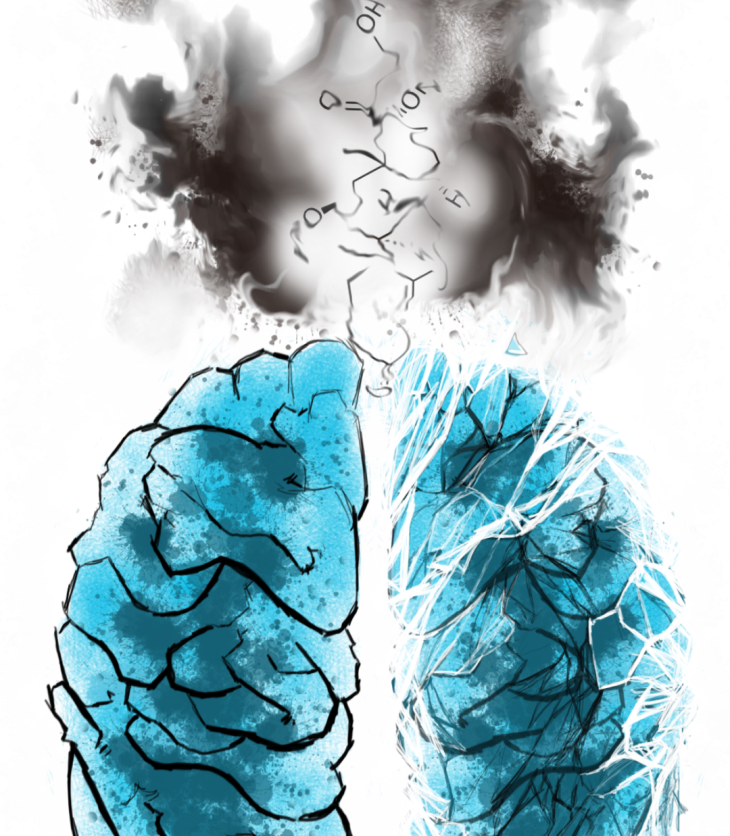
The article discusses the dangers of toxic substances and drug interactions, highlighting Karen Wetterhahn’s fatal dimethylmercury exposure, and paracetamol’s risks when combined with alcohol. Genetic variations influence toxicity; for instance, certain populations metabolize drugs differently. Emphasizing careful medication use, it cautions against overlooking food safety and drug interactions, advocating for healthcare consultation.

Your Doctor can’t see you now

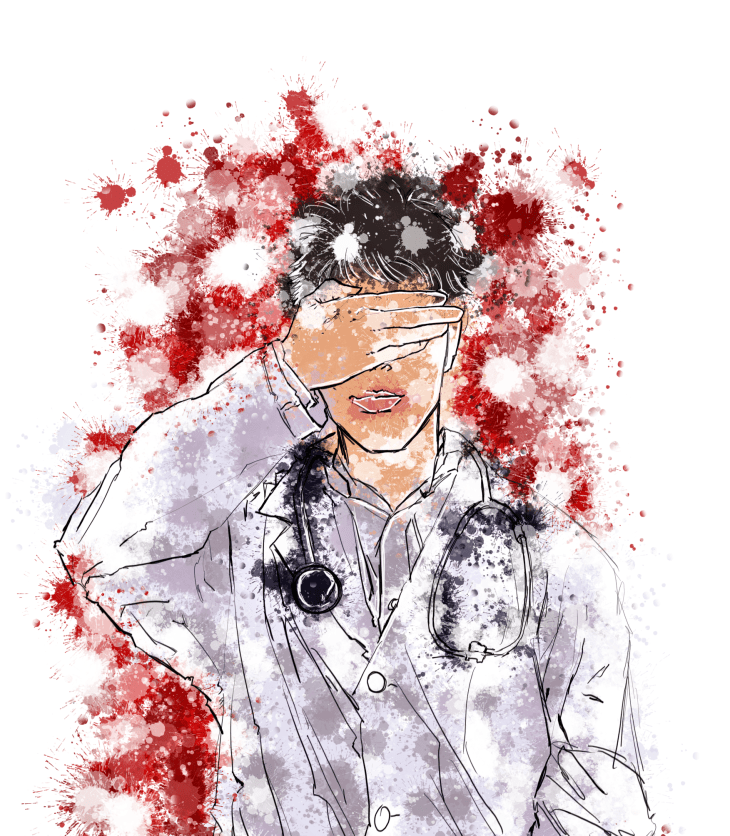
The Doctors’ Association UK warns of a potential shortfall of 8000 GPs in the next decade due to increasing pressures, burnout, and outdated perceptions. Despite initiatives like the GP retention scheme, support remains inadequate, risking further doctor attrition. The mismatch between medical graduates and those entering General Practice exacerbates the crisis.

Radicalised Genes And Their Dangerous Applications In Policing

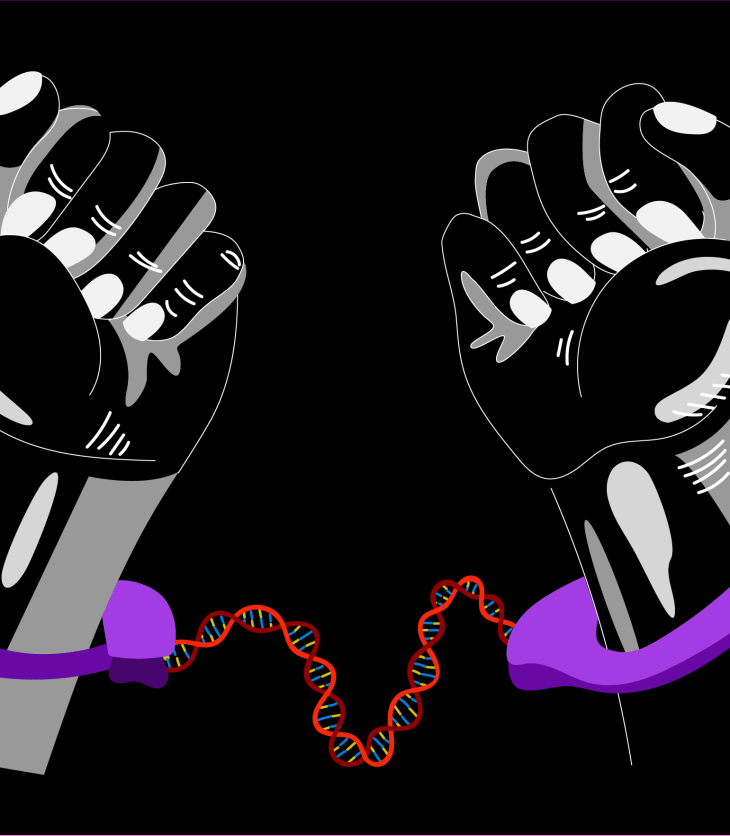
The Edmonton Police Department used DNA phenotyping to create a composite image of a suspect in a violent sexual assault, claiming it represented approximated features based on genetic data. However, the method lacks validation, raises ethical concerns, and risks misidentifying innocent individuals, highlighting the need for public awareness of genetic technologies’ implications.

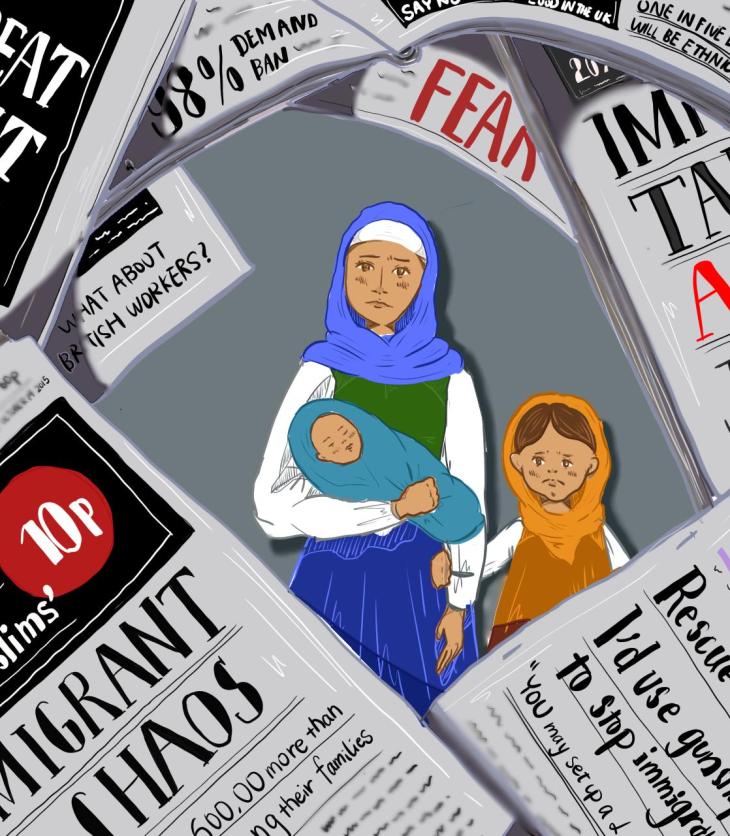
Nobody is illegal: How British tabloids’ fear-mongering tactics create a false view of migrants

The perception of migrants as a burden on the UK’s economy and healthcare system is often fueled by negative headlines. However, evidence shows migrants contribute positively to the GDP and have a lower mortality rate compared to locals. Stricter healthcare regulations hinder their access, contradicting the belief that they exploit benefits.