In 2018, an inquiry into UCL’s role in eugenics led to a public apology and the launch of the Eugenics Legacy Education Project (ELEP) to address its historical impacts. The concerns regarding biased biometric data collection and AI surveillance raise questions about the lessons learned from past scientific discrimination and the need for ethical data regulation.
Category: Technology
Artificial Intelligence (AI) is significantly transforming biological academia, exemplified by tools like ImmunoMatch, which predicts antibody assembly and enhances therapeutic design. Developed by UCL’s Fraternali Lab, ImmunoMatch accelerates drug development and personalized medicine. The integration of AI in research promises substantial advancements in immunological therapy, benefiting patient care and pharmaceutical innovation.
Santa had a busy night on the 24th December. But, have you ever wondered just how fast he would have had to go in order to make all of his stops?
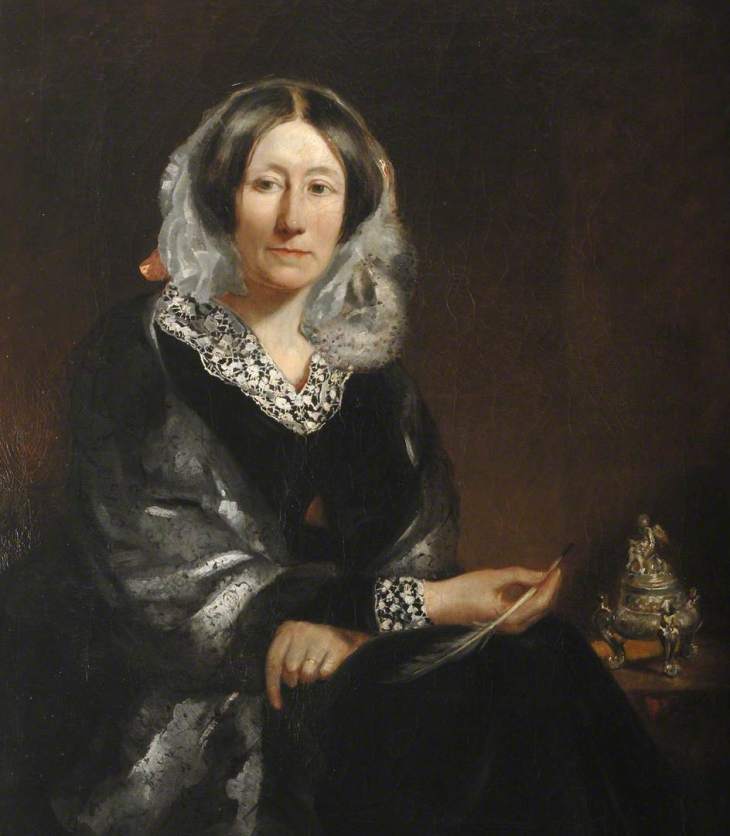
Mary Somerville, a Scottish polymath in the 1830s, grappled with the challenges of scientific criticism and financial strain while writing her opus, “Connexion of the Physical Sciences.” Her innovative ideas about electromagnetism and Earth’s potential as an energy source inspired future research, culminating in recent experiments that partially confirmed her theories, marking a significant scientific milestone.