Before Darwin’s groundbreaking work, biologists struggled to understand what drove organism change. Mendel’s research on peas provided a testable hypothesis of progressive change through genes. However, environmental factors also impact traits, challenging the sole importance of genes. This calls for a holistic approach to evolution, considering both genetic and environmental influences.
Category: Special Issue: Scientists of Tomorrow
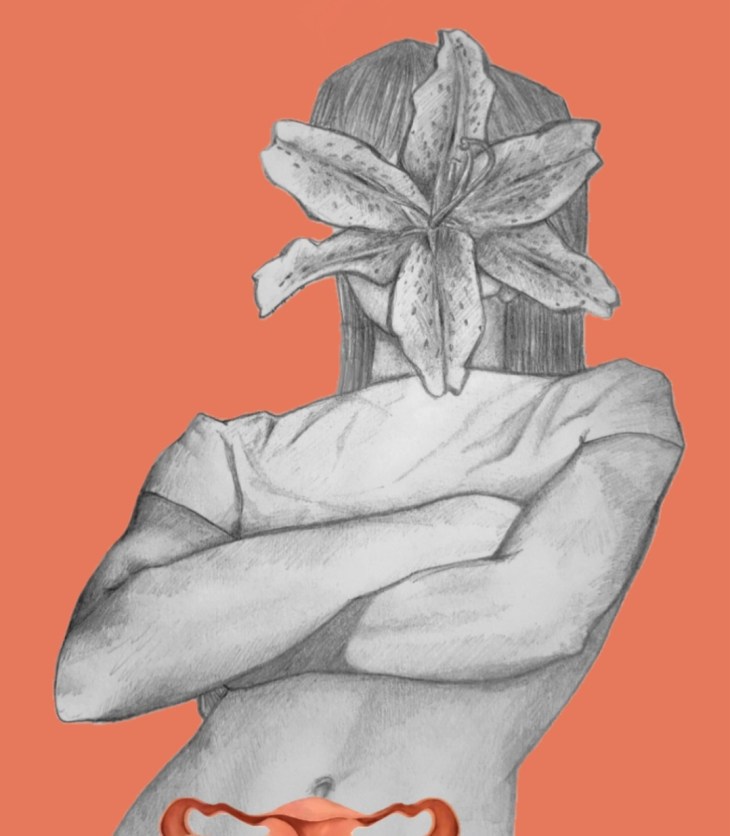
Endometriosis affects over 170 million women globally. Diagnostic delay averages 6.6 years, with extreme cases up to 27 years. Lack of awareness and overlapping symptoms lead to misdiagnosis. Access to private healthcare correlates with shorter diagnostic delays. More research and awareness are needed to reduce the delay and improve patients’ quality of life.
In healthcare settings, women’s pain is often underestimated, affecting perinatal care. Hyperemesis gravidarum (HG) and acute fatty liver of pregnancy (AFLP) are serious but overlooked conditions, impacting women’s health during pregnancy. HG causes severe nausea and vomiting, while AFLP leads to acute liver failure. Understanding these disorders is crucial for improving women’s care.
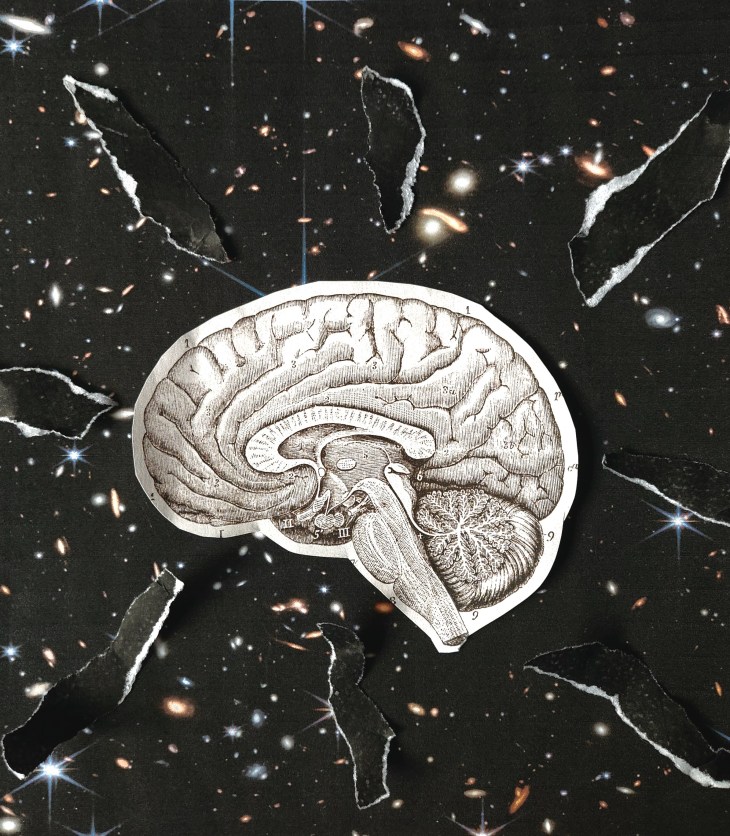
The number of ADHD diagnoses has risen significantly over the last decade, with social media emerging as a key driver. Improved awareness and social media’s impact on lifestyle and sleep are contributing factors. Additionally, the platform can increase awareness but also propagate misinformation. Regulation is needed to address the impact of social media on ADHD diagnoses.
Pavlos Zournatzidis, a UCL PhD student, studies the long-term effects of infant institutionalisation in Greece. His research suggests that early personal connections are vital for healthy emotional and cognitive development. Potential adoption alleviates these effects, underscoring the need for early intervention and increased foster care options to support affected children.
NHS England announced changes to the Specialised Foundation Programme (SFP) by implementing the Preference Information Allocation (PIA) system. The UK Foundation Programme (UKFPO) claims the changes offer more opportunities and fairer recruitment, but criticisms include limited research opportunities, financial barriers, and mismatched placements for doctors. The impact extends to future applicants and marginalized groups, while calls are made for aptitude-based recruitment.
In 1942, Robert Merton outlined four ethical values for scientific research, which are now often violated, as seen in cases like data manipulation by Jan Henrik Schon and Andrew Wakefield. Issues like publication bias and p-hacking undermine trust and validity, highlighting the need for systemic reform in scientific practices and transparency.
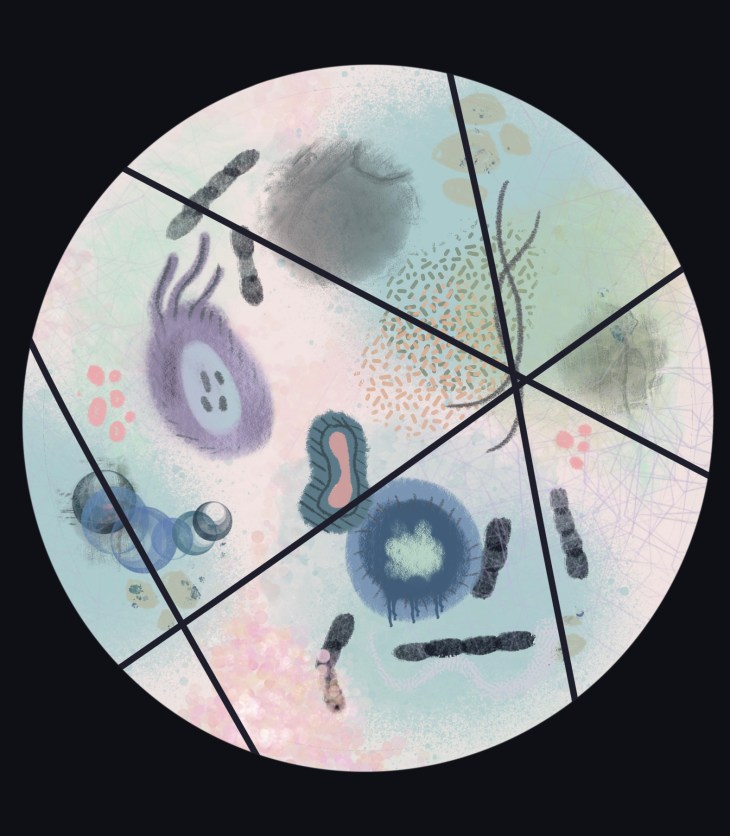
Carolina Borrelli chose a science career despite a lack of natural aptitude, now pursuing a PhD in biophysics and microbiology. Her research on polymyxins aims to tackle antibiotic resistance in gram-negative bacteria, employing advanced microscopy techniques. Borrelli values collaboration and looks forward to exploring the biotech sector during her upcoming summer internship in San Francisco.
The BioRescue project has achieved a historic milestone in wildlife conservation by successfully transferring the first rhino IVF embryo to a surrogate mother, despite her later death. This initiative seeks to prevent the extinction of the northern white rhino, with 30 preserved embryos offering hope for the subspecies’ future survival.
Katie Kavanagh’s article highlights the critical importance of inclusivity in scientific research, particularly regarding gender and sex differences in immune system response. Hannah Peckham’s PhD research at UCL examines how these factors influence B cells, revealing significant gaps in current studies that primarily include cisgender individuals. Greater inclusivity is essential for accurate healthcare.