This article gives a brief overview of the historical divide between science and religion regarding evolution and how such debates influence how science is communicated today.


This article gives a brief overview of the historical divide between science and religion regarding evolution and how such debates influence how science is communicated today.

The article discusses the Doomsday Clock, indicating the current global threats such as nuclear risks, climate change, and the impact of events like Russia’s invasion of Ukraine, emphasizing the need for united efforts to address these challenges and ensure the survival of humanity.
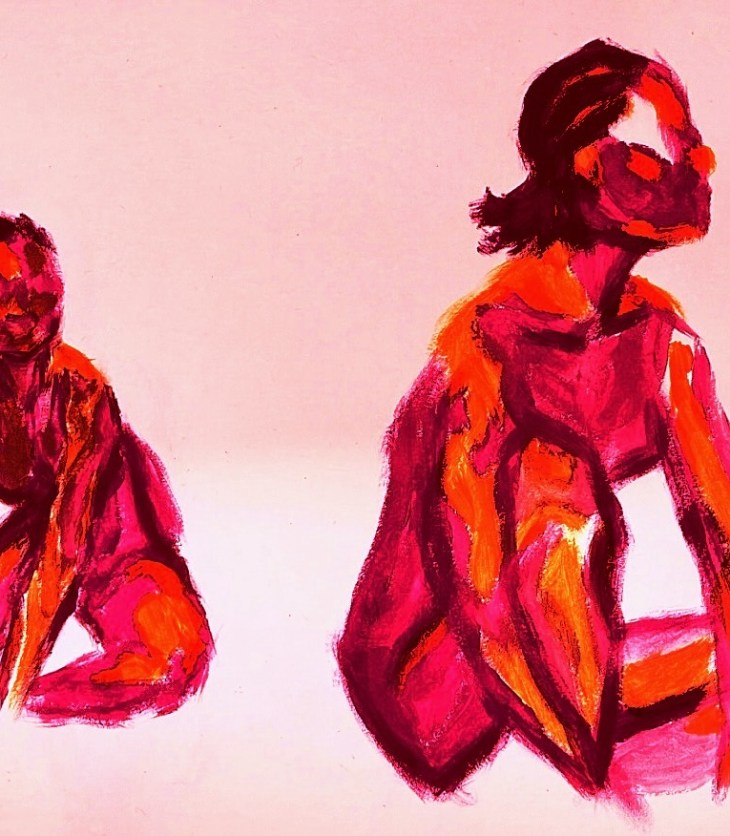
Daniela Pamias addresses Female Genital Mutilation (FGM), highlighting its prevalence, cultural roots, and severe health consequences, emphasizing the need for global awareness, education, and intervention to eradicate this practice rooted in deep systemic sexism and violation of women’s rights.
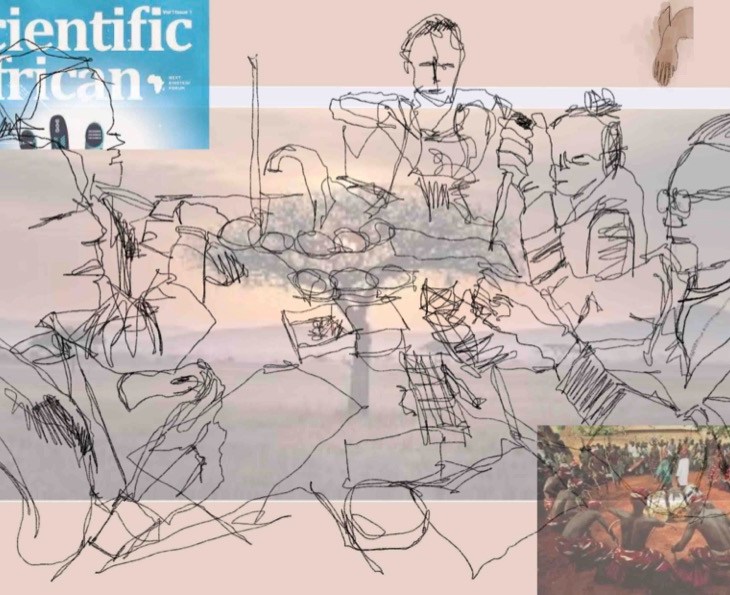
The article explores the longstanding debate on the compatibility of science and religion, focusing on research conducted in African countries like South Africa, Zimbabwe, and Nigeria, challenging the commonly held conflict hypothesis by revealing nuanced relationships and coexistence between science and religion in these regions.
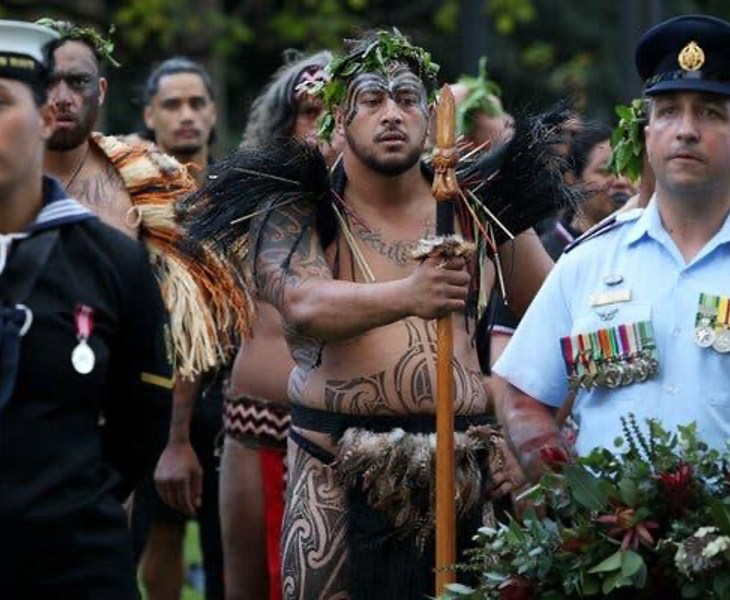
Matauranga, the holistic knowledge system of New Zealand’s Maori people, differs from Western science with concepts like “Ki uta ki tai” and “tapu,” contributing significantly to scientific research, particularly in conservation efforts. This has prompted New Zealand’s government to integrate Matauranga into the national curriculum, yet face challenges as perspectives vary, highlighting the need for respect and collaboration for a future of well-informed, inclusive science.
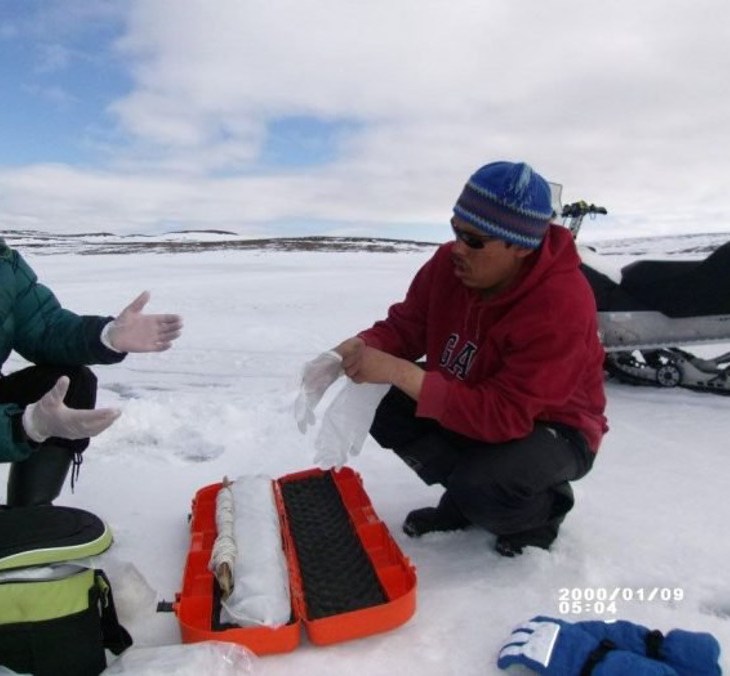
Unlocking the potential of Inuit traditional knowledge enriches scientific research, offering unique insights into environmental changes and biodiversity, while advocating for a collaborative, equitable approach in addressing global challenges.
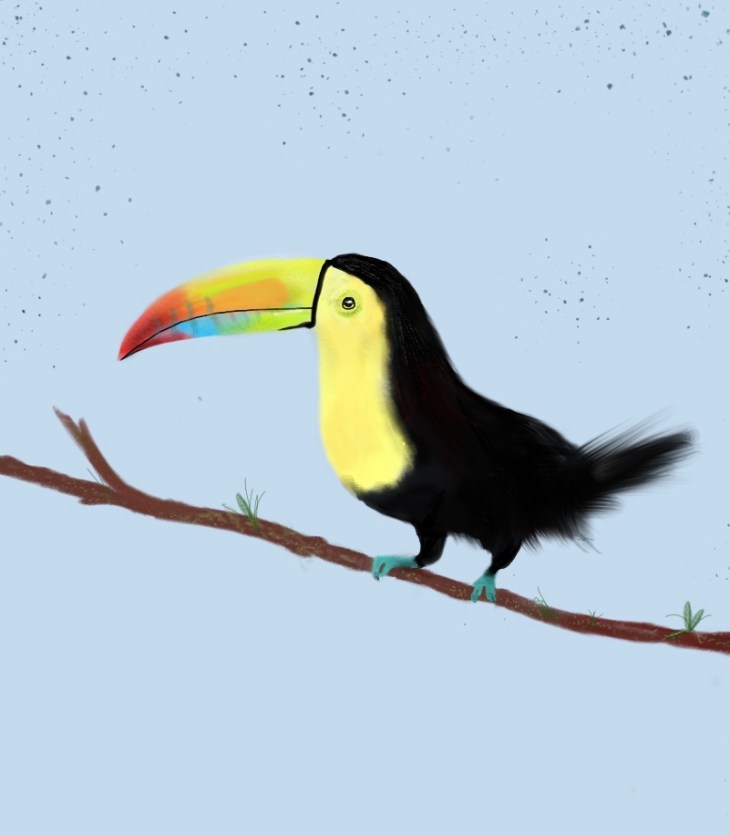
Explore the hidden paradise of Warapoka, where indigenous Warau people are fighting to conserve the rainforest’s biodiversity threatened by activities like gold mining, fostering a unique bond with nature and advocating for global recognition of indigenous territories.
 Kinesis Magazine