
The article discusses the significance of palliative care in the face of terminal illness and highlights the challenges in its accessibility, with a focus on the recently introduced Assisted Dying Bill in the UK. Dr. Libby Sallnow stresses ethical concerns over eligibility assessments, advocating for improved palliative care while encouraging public dialogue on end-of-life choices.
Category: Philosophy & Policy

In 2018, an inquiry into UCL’s role in eugenics led to a public apology and the launch of the Eugenics Legacy Education Project (ELEP) to address its historical impacts. The concerns regarding biased biometric data collection and AI surveillance raise questions about the lessons learned from past scientific discrimination and the need for ethical data regulation.
The Cruciform Teaching Labs at UCL, formerly a children’s hospital, feature Royal Doulton tile paintings tied to historical public health advancements in the UK. The “Sanitary Awakening” led to improved sanitation laws, impacting child health. These tiles symbolize the intersection of art, healing, and the evolution of public health practices.

Founded in 1826, UCL has championed inclusivity, notably by admitting women equally alongside men in 1878. This marked a pivotal change in academia. Celebrating its 200th anniversary, UCL continues to empower women in STEM, addressing gender gaps, and fostering communities like the Women in STEM Society. Challenges persist, but progress continues.
This article exposes UCL’s ties to military industries through investments and research, revealing the institution’s responsibility in Palestine’s humanitarian crisis and healthcare collapse. It calls for accountability and commitment in light of the bicentennial celebrations.

Oskar Barltrop and Pauline Le Gal, UCL’s Sustainability Officers, express frustrations regarding the Student Union’s slow policy changes and lack of responsiveness. They aim to promote sustainable practices and address broader issues like Palestine’s situation and rising living costs. Oskar urges greater support for student leaders to accelerate progress.
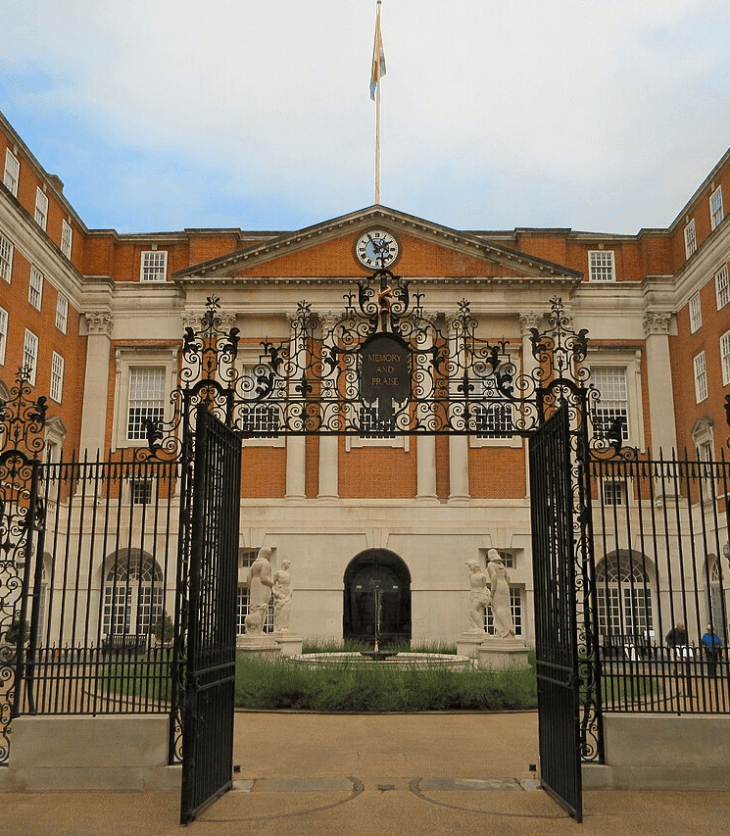
A British Medical Association study revealed widespread tolerance of sexism and harassment in medical schools, with 41% of female and 19% of male students reporting harassment or assault. Many students doubted effective complaint resolutions. The BMA emphasizes that medical schools must adopt serious reforms to ensure safe and inclusive environments for all students.

In the UK, psychiatric service referrals take around 18 weeks, yet only 30% of individuals access help. Many patients only have a single session with no follow-up care, highlighting the need for structured approaches. Single session interventions (SSIs) can improve engagement and outcomes, particularly for youth, but require careful implementation across services.
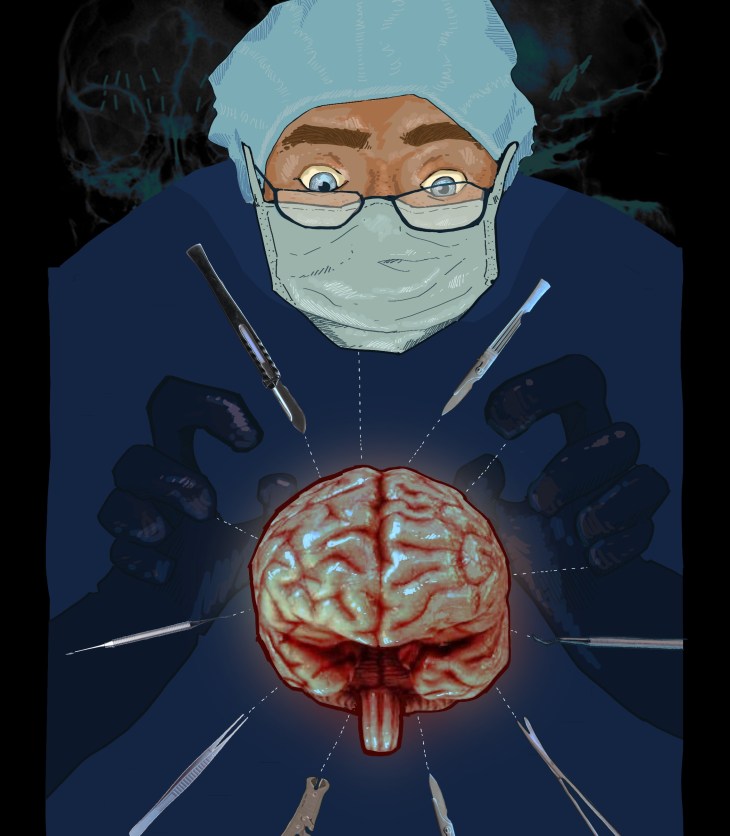
The history of psychosurgery highlights its initial popularity, particularly the lobotomy, as a treatment for mental disorders in the mid-20th century. However, ethical concerns and adverse consequences led to its decline. Modern interventions prioritize patient consent and safety, emphasizing the need for ethical standards and comprehensive research in mental health treatment.

UCL’s historical ties to eugenics reveal a complex narrative; it was central to eugenic research in Britain, supported by figures like Galton and Pearson. As a pseudoscience rooted in social control, eugenics intertwined with early 20th-century socialism, promoting reproductive policies under the guise of progress. Its legacy complicates current political discourse.
 Kinesis Magazine