A Science for Socialists?: what the history of eugenics can tell us about contemporary political divisions

UCL’s historical ties to eugenics reveal a complex narrative; it was central to eugenic research in Britain, supported by figures like Galton and Pearson. As a pseudoscience rooted in social control, eugenics intertwined with early 20th-century socialism, promoting reproductive policies under the guise of progress. Its legacy complicates current political discourse.

An untold academic fight—how the schism between the Archaeologists of the 60’s and 70’s impacts our understanding of the past and where we go forward

In November 2024, amid political fragmentation, President-elect Trump promises to evict minorities, while Starmer balances identity politics against far-right claims. The article explores how archaeology’s evolution affects political identity, urging a rejection of outdated narratives to embrace a nuanced understanding of historical objects and their significance in contemporary discourse.

Celebrating early-career researchers on the Node, preLights and FocalPlane

The Company of Biologists highlights UCL early-career researchers leveraging online platforms like preLights, the Node, and FocalPlane to enhance science communication skills and expand their professional networks. Notable contributors include Courtney Lancaster, Rob Hynds, Diego Sainz de la Maza, and others, showcasing their impactful work and collaborations.

Time is Running Out: Can We Stop the Spread of HIV by 2030?

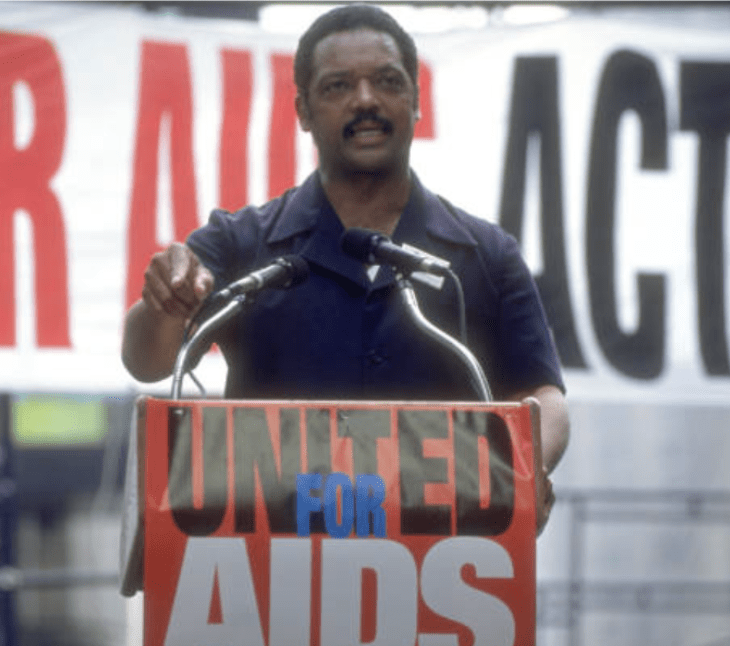
World AIDS Day 2024 highlights progress in combating HIV and the substantial remaining challenges. Advocates and health professionals reflect on successes while recognizing that millions remain untreated. New funds aim to improve screening and access to prevention methods like PrEP and Lenacapavir. Addressing stigma and health inequity is crucial for achieving UNAIDS’ 2030 goals.

Mpox: Deja vu or exaggeration

The 2022 monkeypox outbreak has raised global health concerns, with cases reported beyond endemic regions, prompting the WHO to declare it a global emergency. The disease, caused by the orthopoxvirus, primarily spreads through animal contact and human interactions, especially among homosexual men. Although lower mutation rates exist, effective treatments remain necessary.

Prescription for Pain: America’s Struggle with the Opioid Epidemic

The opioid crisis in America arose from increased prescriptions and misrepresentation by pharmaceutical companies, leading to widespread addiction and overdose deaths. Regulatory failures allowed easy access to addictive drugs, exacerbating the epidemic. Communities, especially those with lower socioeconomic status, suffer disproportionately. Comprehensive interventions are necessary to address disparities and curb the crisis.

Why does it take so long for endometriosis to be diagnosed?

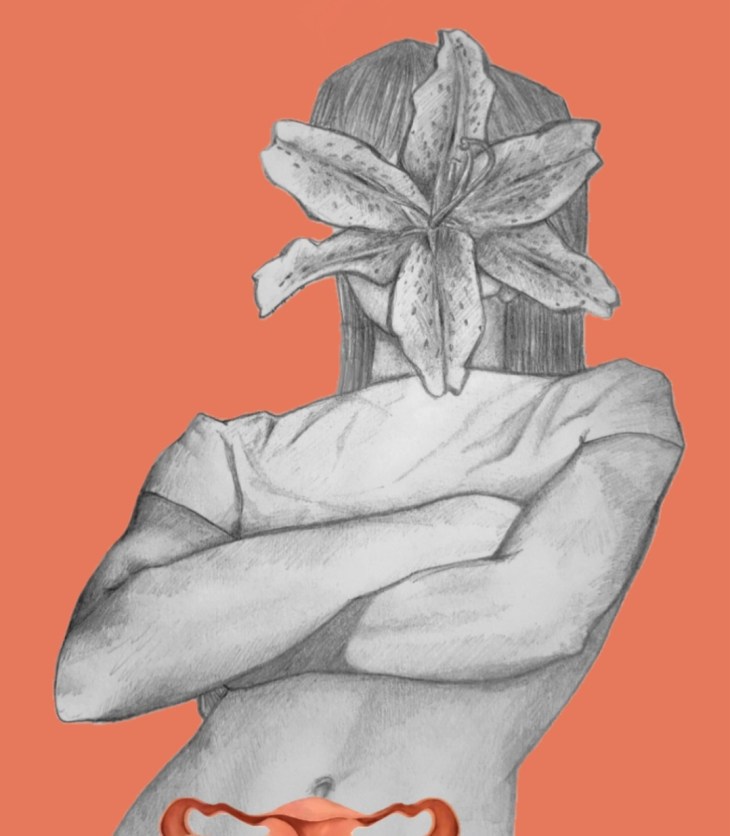
Endometriosis affects over 170 million women globally. Diagnostic delay averages 6.6 years, with extreme cases up to 27 years. Lack of awareness and overlapping symptoms lead to misdiagnosis. Access to private healthcare correlates with shorter diagnostic delays. More research and awareness are needed to reduce the delay and improve patients’ quality of life.