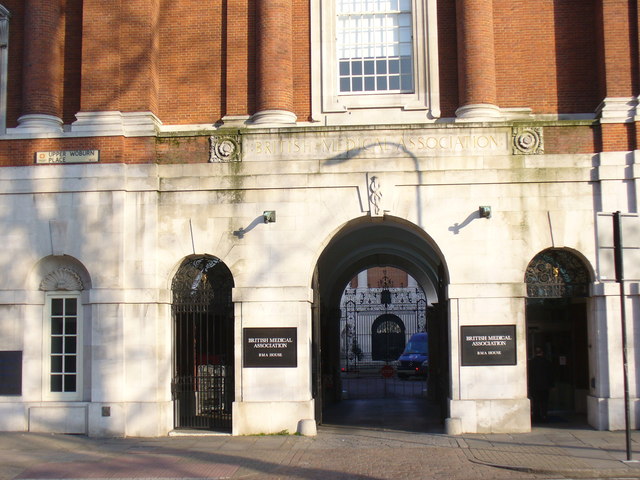
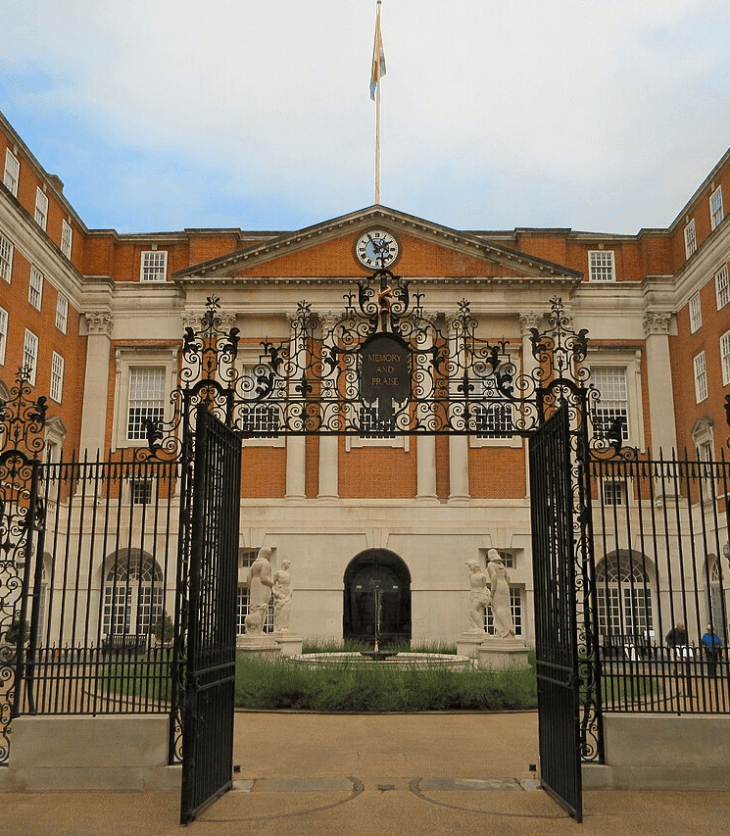
Image of the front of the British Medical Association Building, taken in 2008.

Why doctors are going on strikes

The British Medical Association (BMA) announced that the resident doctors’ strike will conclude on December 22, following a vote where 83% supported the action after rejecting a government offer. Tensions between the BMA and the government have escalated, particularly over pay restoration and training positions amidst criticism from the Health Secretary.

Image of paracetamol tablets on a table, with their box in the background.

Trump’s Acetaminophen Claim: What Research Shows

During a press conference, President Trump claimed acetaminophen may increase autism risk in pregnant women, referencing a flawed study. Experts countered that evidence does not support this link, urging high-quality research. The MHRA maintains that paracetamol is safe during pregnancy, advising women to seek medical counsel for pain management.

We continue to leave Medics behind

The UCL Medical Society’s leadership candidates were disqualified days before elections after a complaint about a nomination form intended to encourage participation. The President criticized the lack of communication and transparency. Low voter turnout highlighted ongoing issues in student engagement, raising concerns over the impact on crucial society roles and exam preparations.

Attempts to draw in nominations resulted in Medical Society races being pulled from the Leadership Race

The UCL Medical Society’s leadership candidates were disqualified days before elections after a complaint about a nomination form intended to encourage participation. The President criticized the lack of communication and transparency. Low voter turnout highlighted ongoing issues in student engagement, raising concerns over the impact on crucial society roles and exam preparations.

A Science for Socialists?: what the history of eugenics can tell us about contemporary political divisions

UCL’s historical ties to eugenics reveal a complex narrative; it was central to eugenic research in Britain, supported by figures like Galton and Pearson. As a pseudoscience rooted in social control, eugenics intertwined with early 20th-century socialism, promoting reproductive policies under the guise of progress. Its legacy complicates current political discourse.

An untold academic fight—how the schism between the Archaeologists of the 60’s and 70’s impacts our understanding of the past and where we go forward

In November 2024, amid political fragmentation, President-elect Trump promises to evict minorities, while Starmer balances identity politics against far-right claims. The article explores how archaeology’s evolution affects political identity, urging a rejection of outdated narratives to embrace a nuanced understanding of historical objects and their significance in contemporary discourse.

Celebrating early-career researchers on the Node, preLights and FocalPlane

The Company of Biologists highlights UCL early-career researchers leveraging online platforms like preLights, the Node, and FocalPlane to enhance science communication skills and expand their professional networks. Notable contributors include Courtney Lancaster, Rob Hynds, Diego Sainz de la Maza, and others, showcasing their impactful work and collaborations.

Time is Running Out: Can We Stop the Spread of HIV by 2030?

World AIDS Day 2024 highlights progress in combating HIV and the substantial remaining challenges. Advocates and health professionals reflect on successes while recognizing that millions remain untreated. New funds aim to improve screening and access to prevention methods like PrEP and Lenacapavir. Addressing stigma and health inequity is crucial for achieving UNAIDS’ 2030 goals.