
The article celebrates Sir Bernard Katz, a Nobel Prize-winning neuroscientist at UCL, highlighting his groundbreaking research on neurotransmission during the 20th century. It reflects on UCL’s historical role in research and the importance of supporting multiculturalism and immigration to maintain its legacy of scientific excellence amidst past controversies surrounding eugenics.
Category: Neuroscience and Psychology
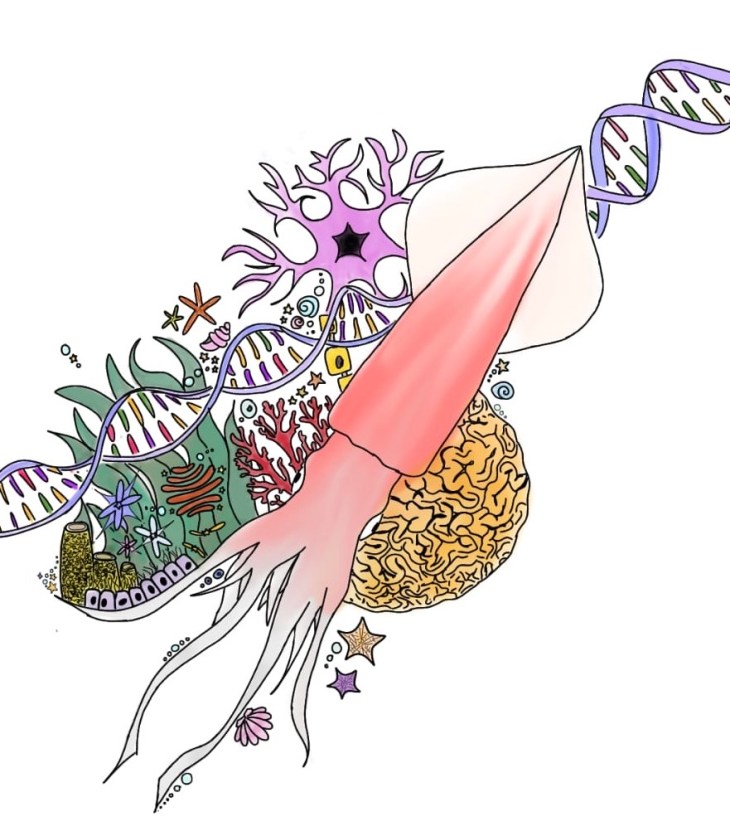
This article explores the life of a spiny dogfish and the remarkable jet propulsion of cephalopods, particularly squids. Highlighting J. Z. Young’s rediscovery of the giant squid axon, the article reflects on its impact on neuroscience and the importance of curiosity in scientific research, emphasizing the need for accessibility and inclusivity in academia.
Over the last 200 years, UCL has produced five Nobel Prize winners in neuroscience, including Dale & Loewi, Huxley, Katz, O’Keefe, and Hinton. Their groundbreaking work has advanced our understanding of neural communication, electrical signals, neurotransmitter release, cognitive mapping, and AI, significantly influencing modern neuroscience and technology.

Stress and anxiety affect many individuals, with one in five U.S. adults experiencing anxiety. Maternal stress during pregnancy can significantly impact fetal development, leading to long-term mental health issues in children. Addressing mental health during pregnancy is crucial for breaking generational cycles of stress and fostering healthier futures for children.

Epilepsy has been linked to depression for millennia, with current research showing that people with epilepsy are at a doubled risk of depression. The relationship is complex and possibly bidirectional, influenced by factors such as medication side effects, lifestyle challenges, and brain physiology. Improved interdisciplinary care is essential for enhancing the quality of life for those affected.
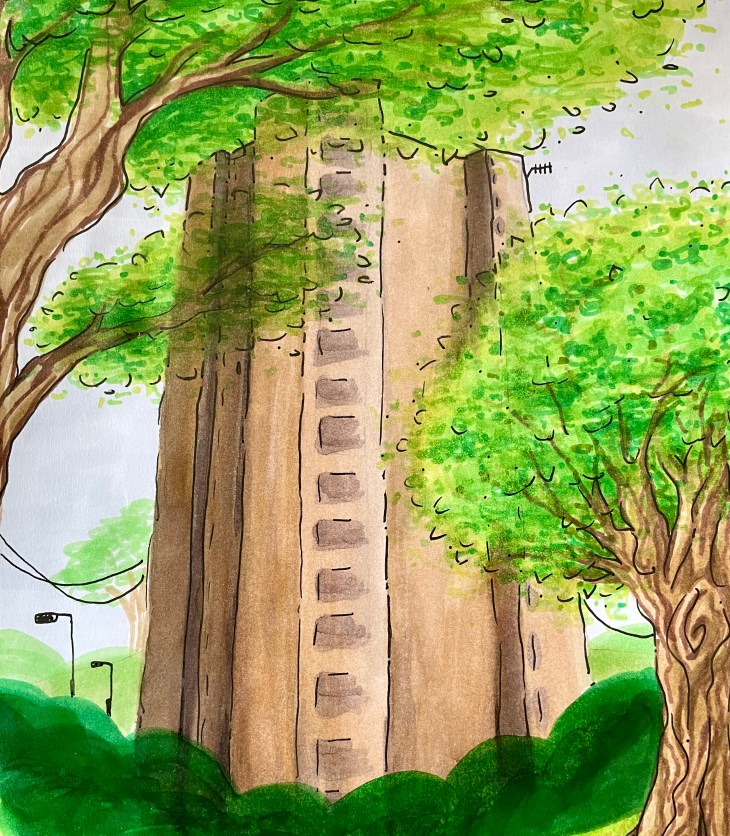
The urban population, exceeding four billion, faces escalating crises impacting mental health, despite research linking green spaces to wellbeing. However, between 1990 and 2020, urban green areas declined, and there’s a lack of studies on biodiversity’s role in mental health. Future urban planning must value both biodiversity and mental health to create healthier cities.

The content explores the myth of the “tormented artist,” questioning the notion that suffering is essential for artistic expression. It presents evidence linking creativity with mental wellness, asserting that art can serve as a transformative tool for healing. Encouraging artistic expression offers therapeutic benefits, promoting psychological wellness for all.

The British Medical Association reports a rise in adults receiving mental health treatment, prompting interest in bioengineering for improved solutions. Current treatments show limited efficacy, necessitating advancements like precision psychiatry and neuromodulation techniques such as rTMS and DBS. Ethical concerns must be addressed before incorporating these technologies into clinical practice.

Seasonal Affective Disorder (SAD) is a type of depression linked to seasonal changes, primarily affecting individuals in winter. Symptoms include low mood, fatigue, and sleep disturbances. Diagnosis requires recurrent episodes, and treatment options include light therapy, cognitive behavioral therapy (CBT), and medication. Lifestyle changes can also alleviate symptoms and improve mental health.

The narrative discusses the psychiatric symptoms of dementia, particularly focusing on hallucinations and delusions seen in conditions like Lewy body dementia. These symptoms complicate the lived experience of patients and their relationships. Awareness is crucial for improving patient care, understanding their experiences, and fostering better treatment strategies amidst ongoing research limitations.
 Kinesis Magazine