Choosing sobriety is crucial for mental health recovery, particularly among young people. Many experience the negative effects of alcohol on mental disorders like anxiety and depression. With a rise in individuals reducing alcohol intake for mental well-being, effective treatment requires addressing both alcohol use disorder and mental health needs concurrently to enhance recovery outcomes.
Category: Mind
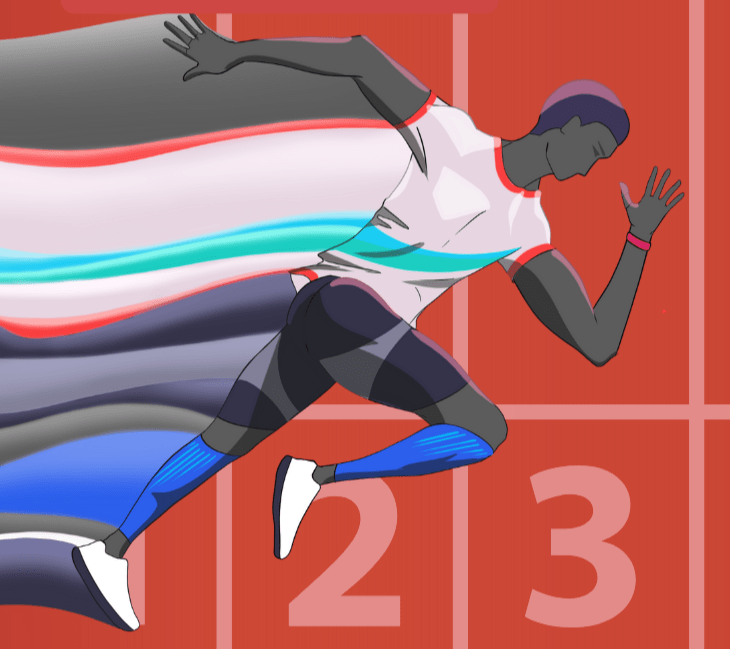
This article explores the phenomenon of ‘runner’s high,’ a euphoric state experienced during and after running, attributed to the endocannabinoid system, endorphins, serotonin, and dopamine. This natural high enhances mental health, reduces stress, and improves overall well-being, motivating individuals to run regularly for both physical and psychological benefits.
The article explores the crucial role of sleep in learning and memory consolidation. Neuroscientific studies reveal that sleep enhances the retention of information studied, particularly through slow-wave sleep, which strengthens synaptic connections. While sleep optimizes recall and fosters creativity, quality sleep is vital, as poor sleep can hinder learning and emotional regulation.
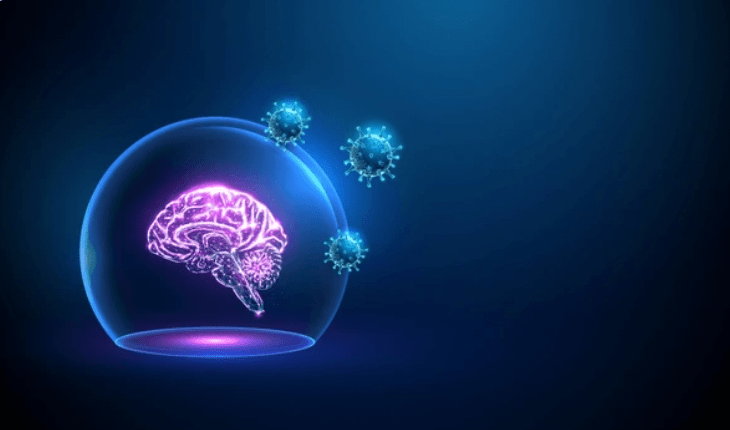
Microbes, particularly viruses, significantly influence our lives. Recent research reveals that viral insertions contributed to the evolution of the myelin sheath, essential for nerve impulse transmission. This discovery highlights the role of transposable elements like RetroMyelin in myelination across vertebrates. Future therapies utilizing viruses may offer advancements in treating neurological diseases.
Stress is a primal instinct crucial for survival, but chronic stress can lead to severe health issues like major depressive disorder (MDD) and cardiovascular disease (CVD). Elevated cortisol levels and inflammation play significant roles in these conditions. Understanding stress’s mechanisms can foster new therapeutic approaches to combat these interconnected diseases.
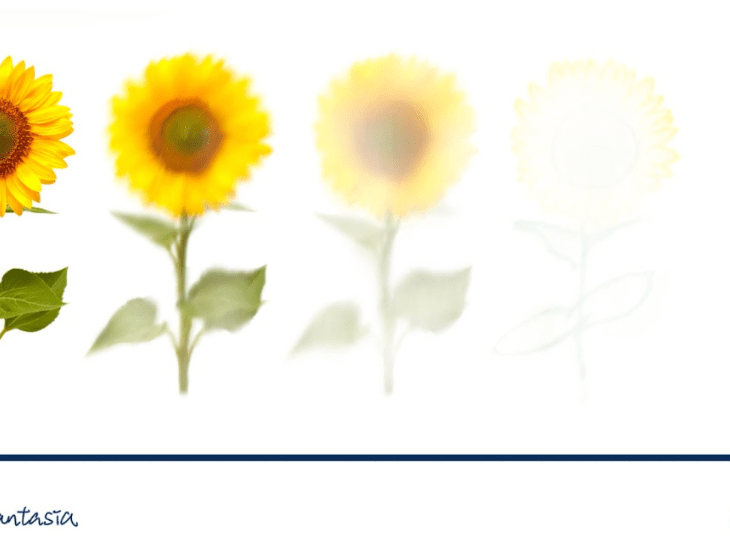
The article discusses the concepts of hyperphantasia and aphantasia, highlighting differences in visual imagery among individuals. Aphantasia, identified recently, reflects a complete lack of visual imagery experienced by about 4% of the population. Research aims to objectively measure and understand these conditions, revealing insights into cognitive processes and creativity despite the absence of visual imagination.
A UCL study revealed that individuals over 50 with anxiety are twice as likely to develop Parkinson’s disease compared to those without anxiety. The research analyzed over 100,000 patients and aimed to identify connections between anxiety and Parkinson’s risk, highlighting the importance of early detection for effective treatment.
University poses significant challenges for students, exacerbated by pandemic effects and rising inequality. Mental health support is inadequate, intensified by socio-economic barriers. While “Mental Health First Aid” courses aim to help, evidence of their effectiveness is lacking. Comprehensive evaluations are necessary before further initiatives are implemented to support student well-being.
Fandoms, online communities formed around shared interests like art, provide validation and belonging, enhancing mental and physical well-being. Social identity theory explains this connection. While participating in fandoms encourages creativity and critical thinking, online toxicity can detract from the experience. Recognizing and disengaging from toxic behavior is crucial. Moderation is key to prevent negative impacts on health and social life.
Author: Katie KavanaghArtist: Qiwen LiuEditor: Rachel Grosberg Music is a part of everyone’s life, playing…