An untold academic fight—how the schism between the Archaeologists of the 60’s and 70’s impacts our understanding of the past and where we go forward

In November 2024, amid political fragmentation, President-elect Trump promises to evict minorities, while Starmer balances identity politics against far-right claims. The article explores how archaeology’s evolution affects political identity, urging a rejection of outdated narratives to embrace a nuanced understanding of historical objects and their significance in contemporary discourse.

Under Pressure: Why we crack under high stress

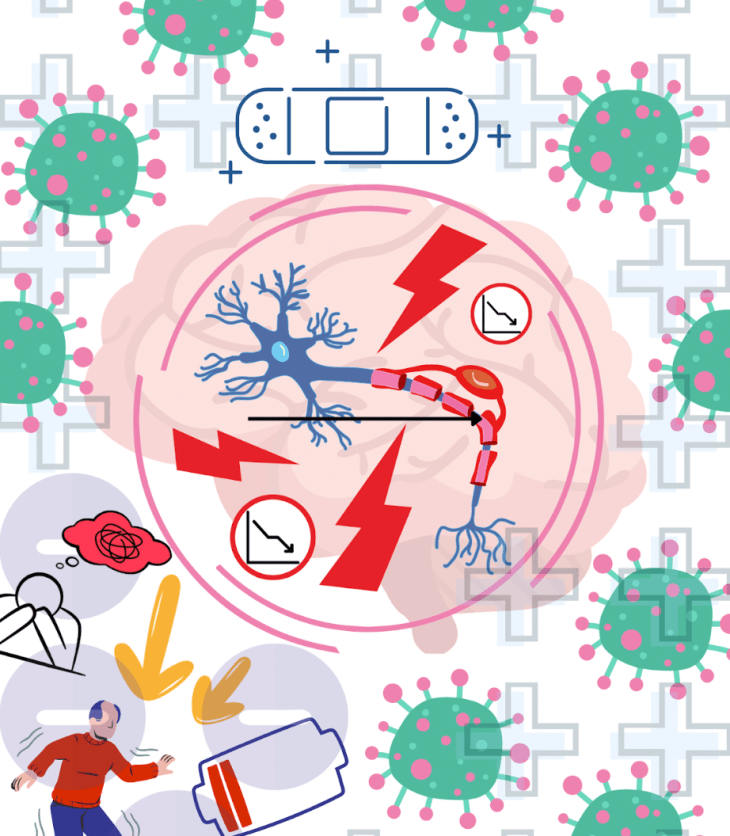
The article discusses the phenomenon of “choking” under pressure, illustrated through examples from sports and gaming. Research by Smoulder et al. explores this phenomenon in rhesus monkeys, revealing that excessive reward pressure can hinder performance. While their findings provide insights into the neural mechanisms involved, further studies are necessary to relate these findings to humans.

Everything looks grey—literal or metaphorical?

The content discusses the relationship between color perception and depression, highlighting how individuals with depressive disorders often experience altered visual perceptions, such as seeing colors as less saturated. Research indicates that depression impacts both color perception and interpretation, which could guide treatment strategies like art therapy, enhancing communication and support for affected individuals.

What’s your Chronotype sign? The effects of our circadian rhythm on our health

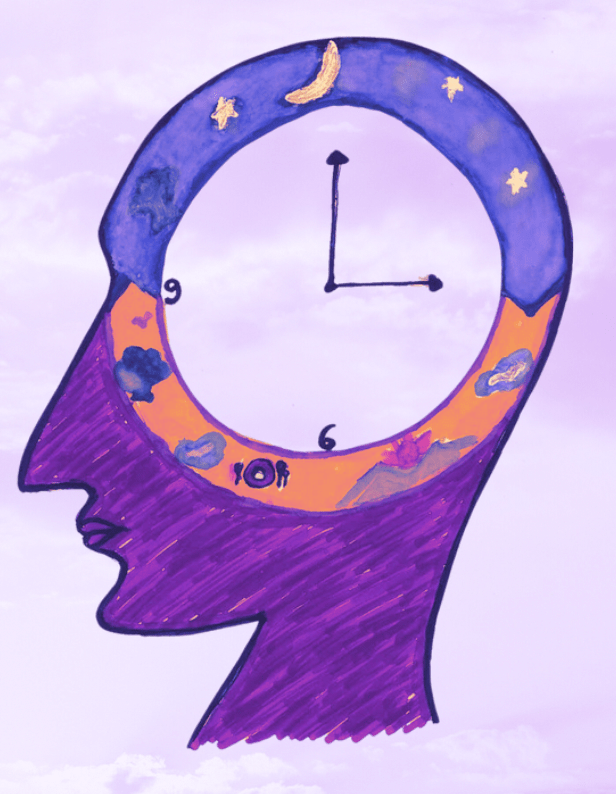
The article discusses chronotypes, which reflect individuals’ natural sleep-wake preferences based on their circadian rhythm. Misalignment due to social schedules, known as social jetlag, particularly affects evening chronotypes, leading to mental health issues and sleep disorders. Understanding chronotypes can aid clinicians in addressing mood disorders tied to societal pressures.

Lecanemab? The medication that fails female Alzheimer’s patients

Lecanemab is a new monoclonal antibody treatment for Alzheimer’s disease, showing a 27% reduction in cognitive decline, but only a 9.3% reduction in women. Given that women represent two-thirds of Alzheimer’s patients, the data suggests a need for personalized treatments addressing specific demographic vulnerabilities, including race and genetic factors, to improve outcomes.

What is Love?: A Short Introduction to Why we Love our Family

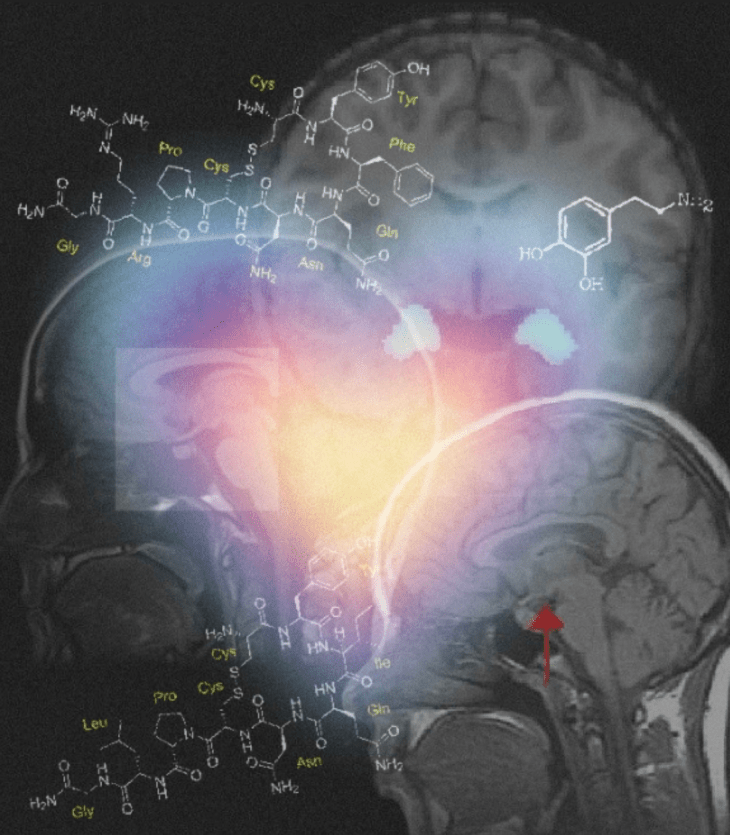
The science of love intertwines biochemical processes and emotional experiences, revealing different types of love—romantic, platonic, and familial—are regulated by various neurochemicals like dopamine, oxytocin, and vasopressin. These elements suggest love is a complex interplay of biology and emotion, shaping our relationships and attachment throughout life.