
The article discusses the significance of palliative care in the face of terminal illness and highlights the challenges in its accessibility, with a focus on the recently introduced Assisted Dying Bill in the UK. Dr. Libby Sallnow stresses ethical concerns over eligibility assessments, advocating for improved palliative care while encouraging public dialogue on end-of-life choices.
Category: Interview
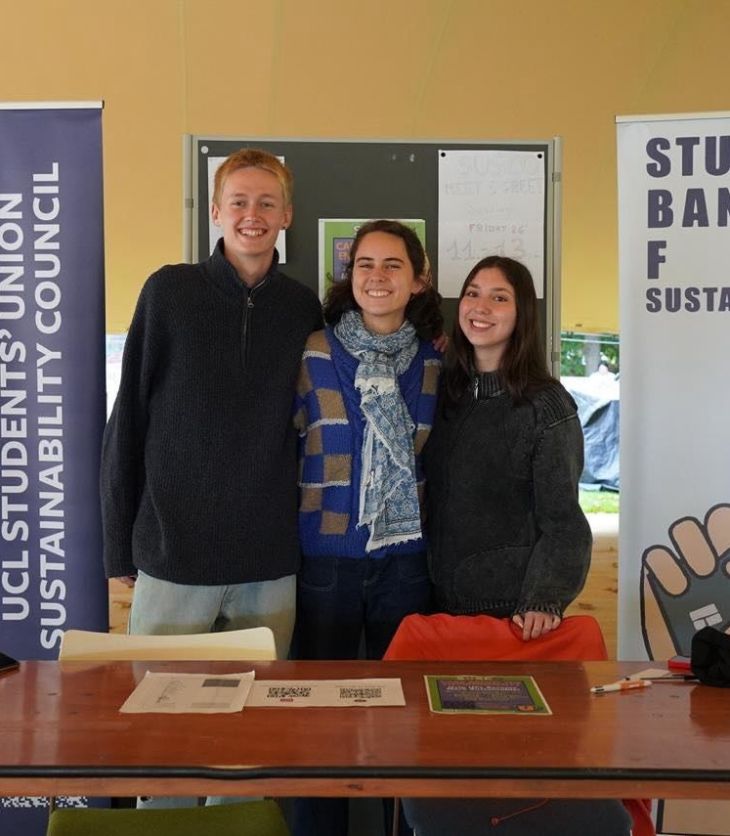
Oskar Barltrop and Pauline Le Gal, UCL’s Sustainability Officers, express frustrations regarding the Student Union’s slow policy changes and lack of responsiveness. They aim to promote sustainable practices and address broader issues like Palestine’s situation and rising living costs. Oskar urges greater support for student leaders to accelerate progress.

The Company of Biologists highlights UCL early-career researchers leveraging online platforms like preLights, the Node, and FocalPlane to enhance science communication skills and expand their professional networks. Notable contributors include Courtney Lancaster, Rob Hynds, Diego Sainz de la Maza, and others, showcasing their impactful work and collaborations.
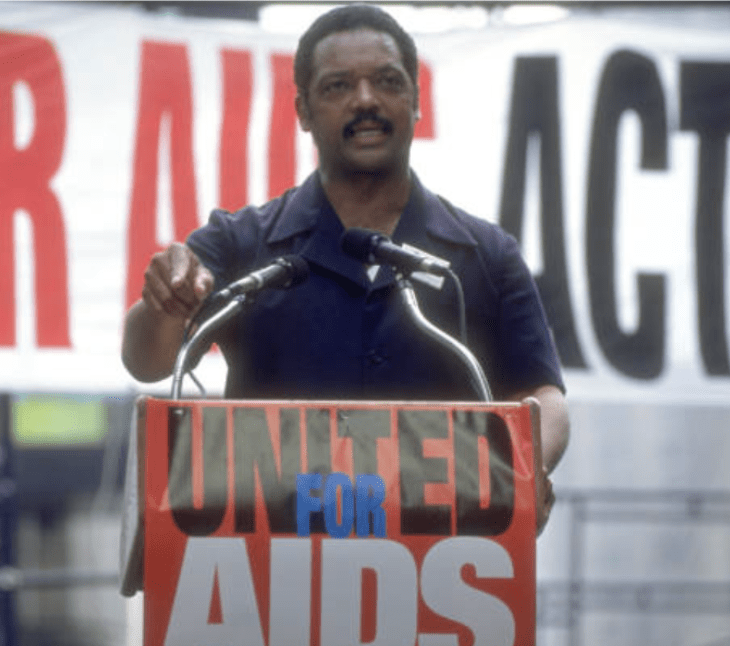
World AIDS Day 2024 highlights progress in combating HIV and the substantial remaining challenges. Advocates and health professionals reflect on successes while recognizing that millions remain untreated. New funds aim to improve screening and access to prevention methods like PrEP and Lenacapavir. Addressing stigma and health inequity is crucial for achieving UNAIDS’ 2030 goals.

Pavlos Zournatzidis, a UCL PhD student, studies the long-term effects of infant institutionalisation in Greece. His research suggests that early personal connections are vital for healthy emotional and cognitive development. Potential adoption alleviates these effects, underscoring the need for early intervention and increased foster care options to support affected children.
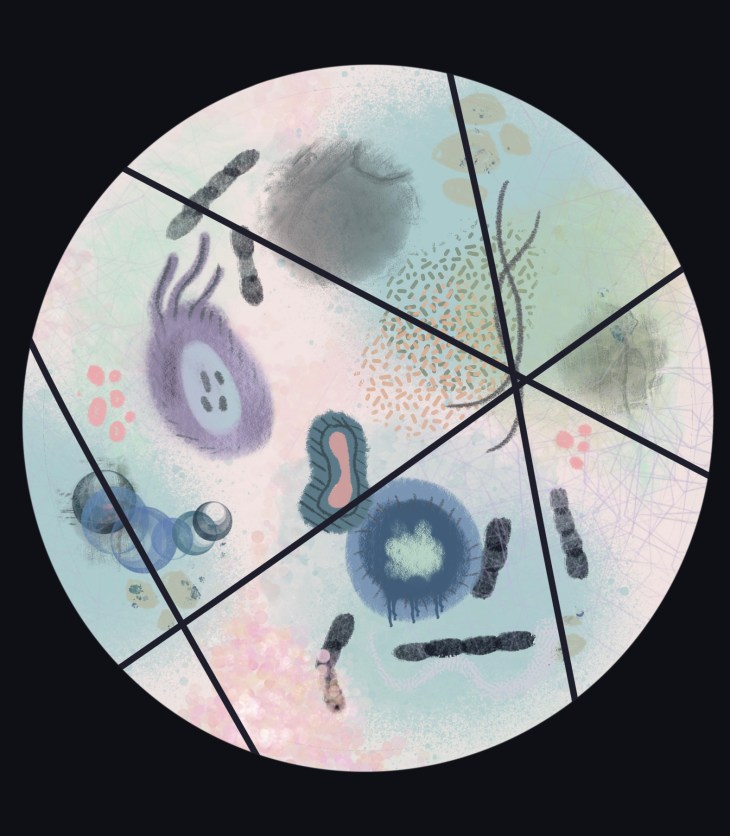
Carolina Borrelli chose a science career despite a lack of natural aptitude, now pursuing a PhD in biophysics and microbiology. Her research on polymyxins aims to tackle antibiotic resistance in gram-negative bacteria, employing advanced microscopy techniques. Borrelli values collaboration and looks forward to exploring the biotech sector during her upcoming summer internship in San Francisco.

Katie Kavanagh’s article highlights the critical importance of inclusivity in scientific research, particularly regarding gender and sex differences in immune system response. Hannah Peckham’s PhD research at UCL examines how these factors influence B cells, revealing significant gaps in current studies that primarily include cisgender individuals. Greater inclusivity is essential for accurate healthcare.
 Kinesis Magazine