
The article celebrates Sir Bernard Katz, a Nobel Prize-winning neuroscientist at UCL, highlighting his groundbreaking research on neurotransmission during the 20th century. It reflects on UCL’s historical role in research and the importance of supporting multiculturalism and immigration to maintain its legacy of scientific excellence amidst past controversies surrounding eugenics.
Category: History of Science
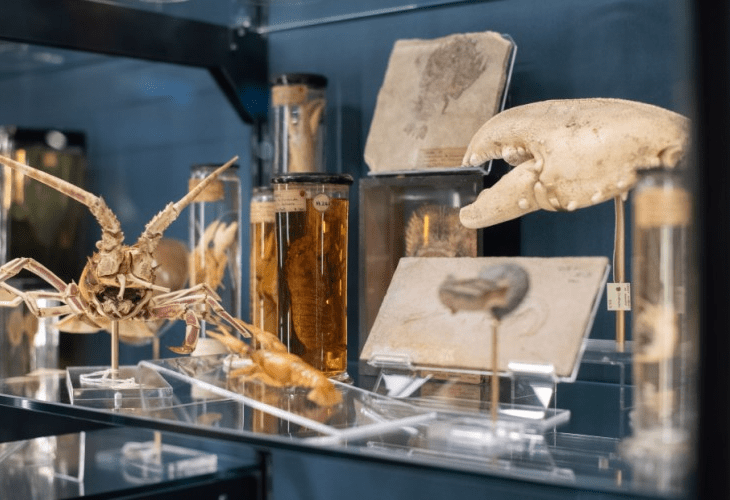
In 1826, UCL was founded, marking a transformative year for Charles Darwin and Dr. Robert Edmond Grant. Darwin learned from Grant while working on evolutionary biology, leading to his later groundbreaking work. Grant established the Grant Museum, crucial for zoological studies, though he faced academic competition that hindered his recognition during his lifetime.
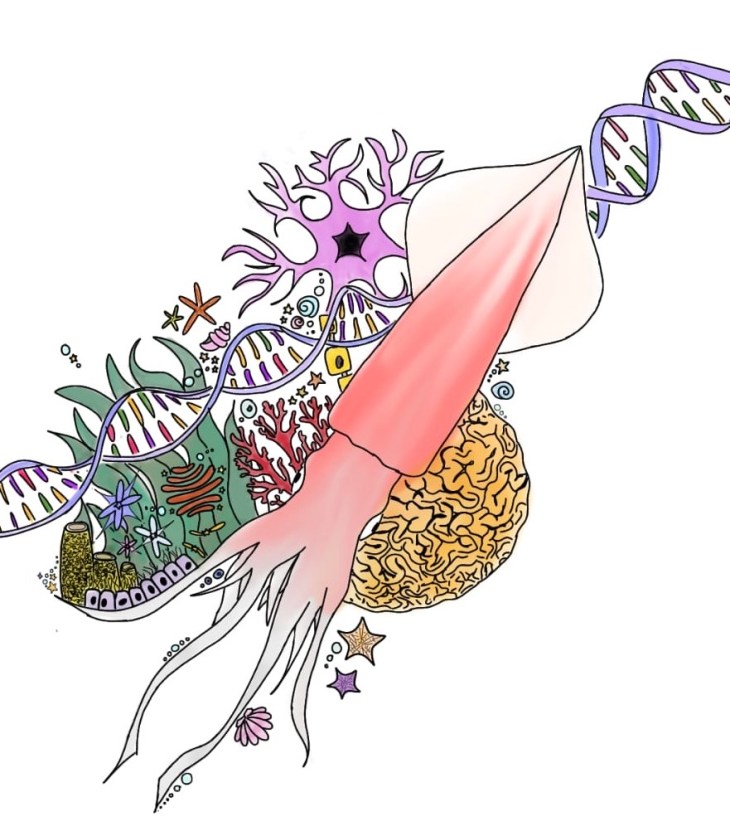
This article explores the life of a spiny dogfish and the remarkable jet propulsion of cephalopods, particularly squids. Highlighting J. Z. Young’s rediscovery of the giant squid axon, the article reflects on its impact on neuroscience and the importance of curiosity in scientific research, emphasizing the need for accessibility and inclusivity in academia.

In 2018, an inquiry into UCL’s role in eugenics led to a public apology and the launch of the Eugenics Legacy Education Project (ELEP) to address its historical impacts. The concerns regarding biased biometric data collection and AI surveillance raise questions about the lessons learned from past scientific discrimination and the need for ethical data regulation.
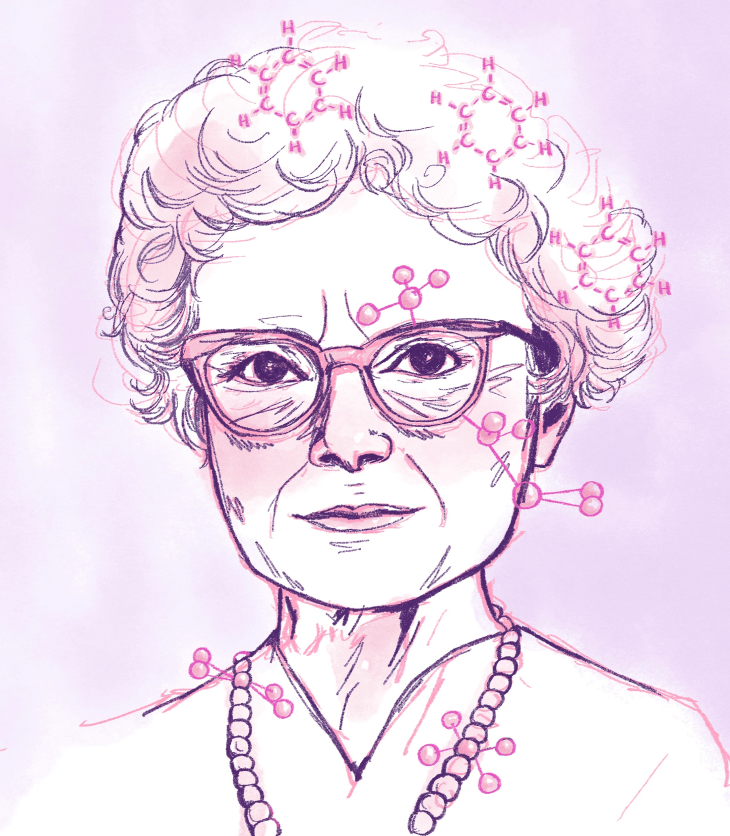
Founded in 1826, UCL has championed inclusivity, notably by admitting women equally alongside men in 1878. This marked a pivotal change in academia. Celebrating its 200th anniversary, UCL continues to empower women in STEM, addressing gender gaps, and fostering communities like the Women in STEM Society. Challenges persist, but progress continues.
Over the last 200 years, UCL has produced five Nobel Prize winners in neuroscience, including Dale & Loewi, Huxley, Katz, O’Keefe, and Hinton. Their groundbreaking work has advanced our understanding of neural communication, electrical signals, neurotransmitter release, cognitive mapping, and AI, significantly influencing modern neuroscience and technology.
 Kinesis Magazine