A Gene Therapy Breakthrough for Huntington’s Disease – How UCL Researchers Are Transforming the Future of Treatment

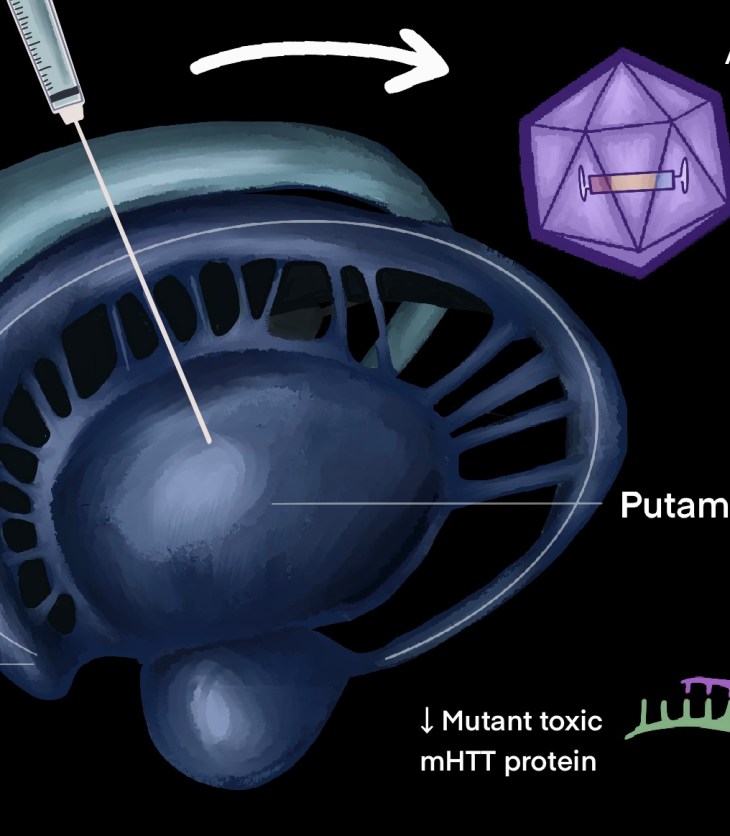
Huntington’s disease is a severe inherited neurodegenerative disorder lacking effective treatments. A UCL research team has pioneered AMT-130, a gene therapy showing promise in slowing disease progression. Early trials indicate safety and significant clinical benefits, marking a hopeful shift towards potentially transformative therapies for Huntington’s and similar conditions.

Engineering the Future: UCL’s Bicentennial AI Breakthrough in Immunology

Artificial Intelligence (AI) is significantly transforming biological academia, exemplified by tools like ImmunoMatch, which predicts antibody assembly and enhances therapeutic design. Developed by UCL’s Fraternali Lab, ImmunoMatch accelerates drug development and personalized medicine. The integration of AI in research promises substantial advancements in immunological therapy, benefiting patient care and pharmaceutical innovation.

Image of a Coffee Cup with a tissue box on a table, coined by the photographer as Sick Day accessories.

Meningitis: Not your regular Flu

As university students approach 2026, awareness of “Freshers’ Flu” and meningitis is crucial. Meningitis is a serious infection marked by symptoms like fever and a stiff neck, potentially leading to severe complications if untreated. Students are urged to practice good hygiene, get vaccinated, and maintain healthy sleep habits to reduce risks.

Image of paracetamol tablets on a table, with their box in the background.

Trump’s Acetaminophen Claim: What Research Shows

During a press conference, President Trump claimed acetaminophen may increase autism risk in pregnant women, referencing a flawed study. Experts countered that evidence does not support this link, urging high-quality research. The MHRA maintains that paracetamol is safe during pregnancy, advising women to seek medical counsel for pain management.

Student Sobriety: Navigating Mental Health in a Culture of Drinking

Choosing sobriety is crucial for mental health recovery, particularly among young people. Many experience the negative effects of alcohol on mental disorders like anxiety and depression. With a rise in individuals reducing alcohol intake for mental well-being, effective treatment requires addressing both alcohol use disorder and mental health needs concurrently to enhance recovery outcomes.