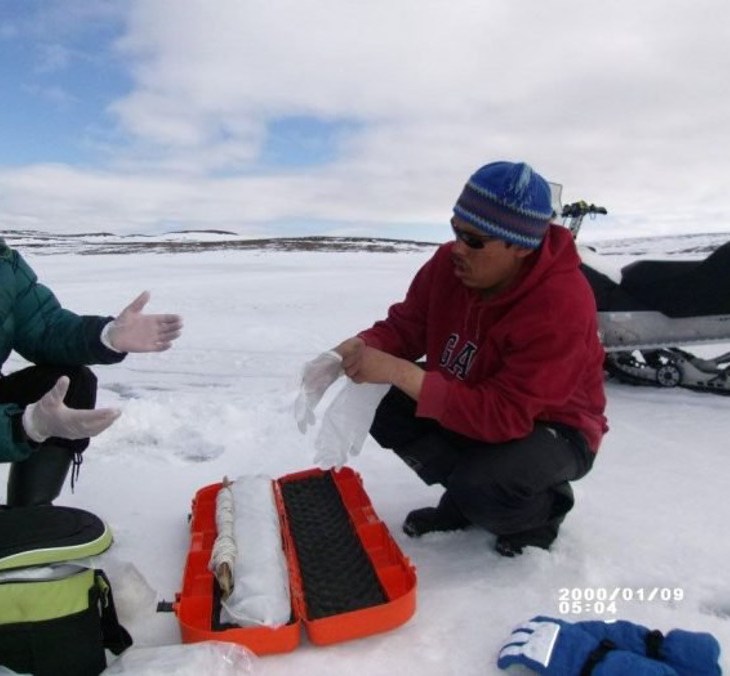
Unlocking the potential of Inuit traditional knowledge enriches scientific research, offering unique insights into environmental changes and biodiversity, while advocating for a collaborative, equitable approach in addressing global challenges.
Category: Environment
Explore the hidden paradise of Warapoka, where indigenous Warau people are fighting to conserve the rainforest’s biodiversity threatened by activities like gold mining, fostering a unique bond with nature and advocating for global recognition of indigenous territories.
Genetic “dark matter” may drive the emergence of new species. The findings suggest a way to rescue “doomed” animal hybrids.
Limitations of cardiac xenotransplantation and potential alternatives to address these drawbacks
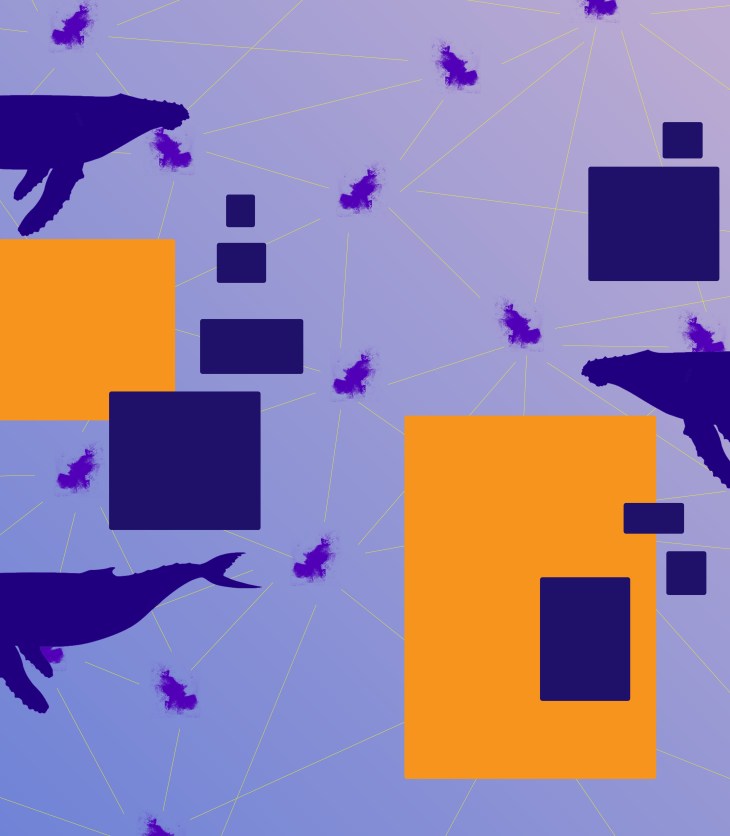
Axons in whales can be up to 30 meters long and yet the information has to go from one neuron to the next one in a matter of milliseconds. How is that possible? Luckily, evolution provided vertebrates with myelinated axons.
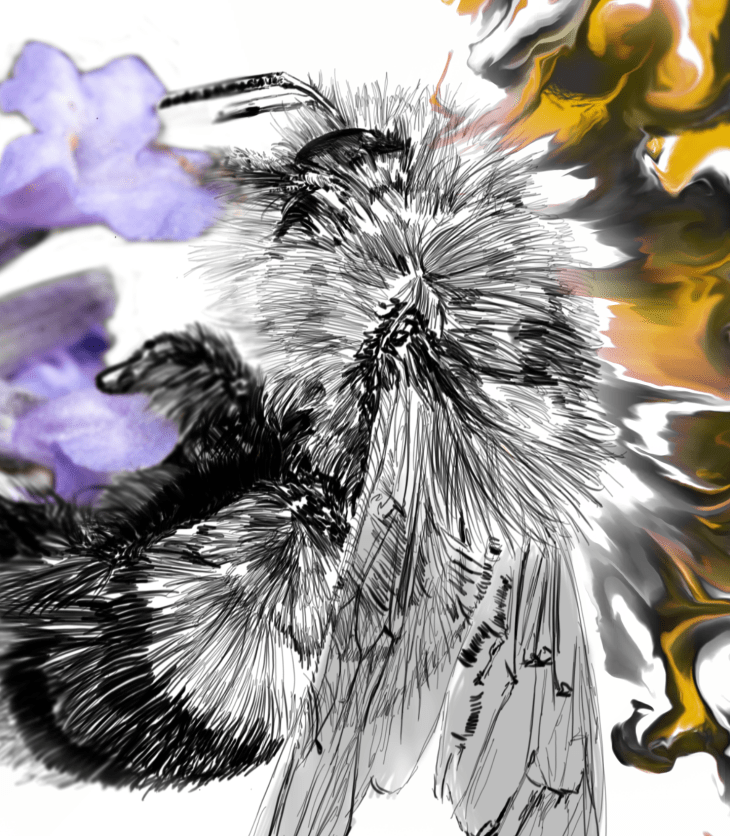
The status of bee populations is a prominent topic in conservation. Responsible for pollinating around 85% of the world’s crops, these insects are vastly important for food production.
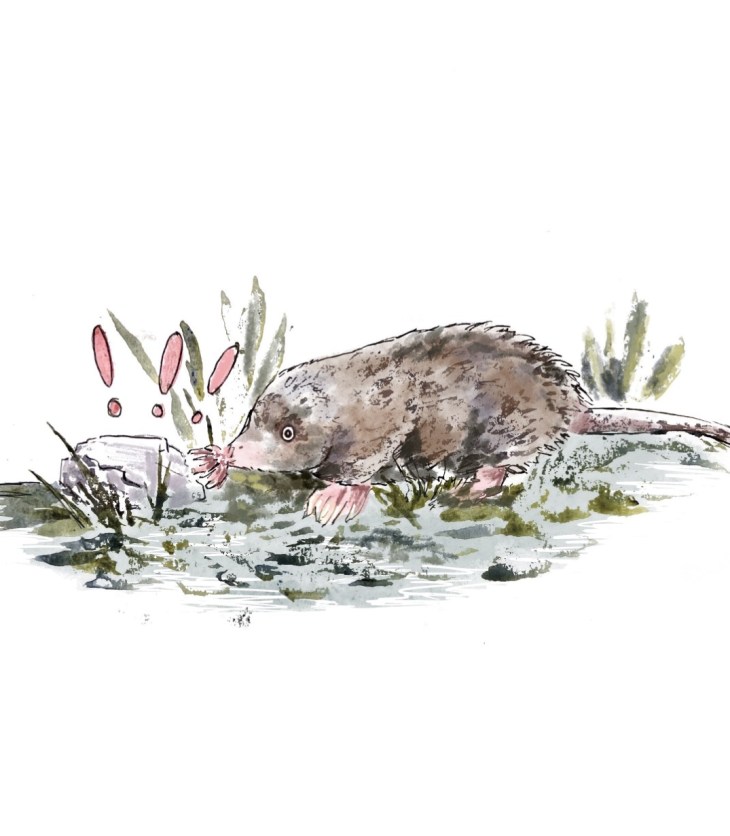
With noses that touch instead of smell, and eyes that don’t see, star-nosed moles are fascinating creatures. They eat at record-breaking speeds and are one of only two mammals that can “smell” underwater.
Léo Grasset is a French youtuber known for his channel called Dirtybiology created in 2014.
From Jurassic Park to Reality, bringing back extinct species seems fascinating. How is it possible and why should(n’t) we do it?