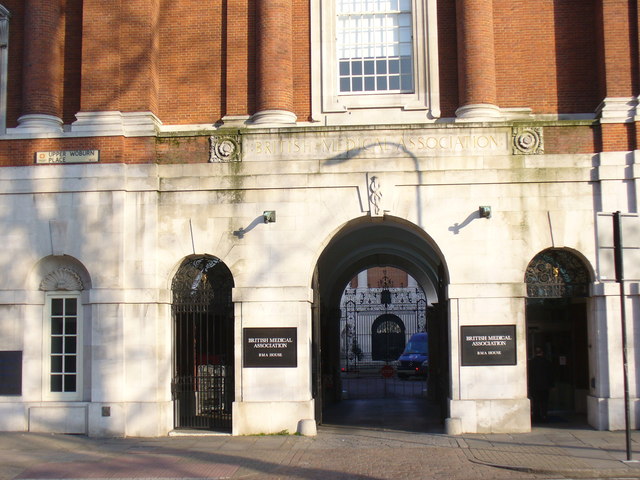
A British Medical Association study revealed widespread tolerance of sexism and harassment in medical schools, with 41% of female and 19% of male students reporting harassment or assault. Many students doubted effective complaint resolutions. The BMA emphasizes that medical schools must adopt serious reforms to ensure safe and inclusive environments for all students.
Category: Careers
The Company of Biologists highlights UCL early-career researchers leveraging online platforms like preLights, the Node, and FocalPlane to enhance science communication skills and expand their professional networks. Notable contributors include Courtney Lancaster, Rob Hynds, Diego Sainz de la Maza, and others, showcasing their impactful work and collaborations.
The recent increase in tuition fees for medical students in the UK, now £9,535, exacerbates the existing funding crisis, sparking frustration among students. Financial barriers hinder access to vital exam resources while the rigorous demands of medical training take a psychological toll, threatening to drive students away from the profession. Immediate reforms are necessary.
Junior doctors in the UK have been striking for better pay and working conditions, shedding light on various issues within the healthcare system. Beyond pay, reasons for strikes include severe understaffing, unacceptable working conditions, and the impact on patient care. Medical students, already facing financial strain and workload challenges, are further affected. During strikes, students have been asked to cover for doctors, which raises concerns about their training and patient safety. With government plans to extend strike laws, addressing these issues becomes crucial for the future of healthcare professionals and medical students.
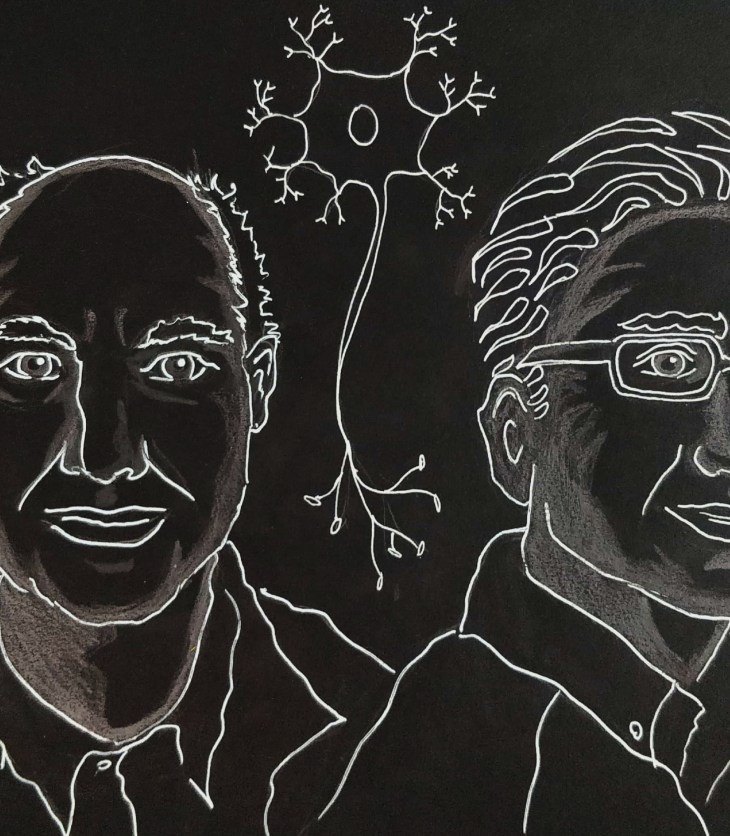
David Julius and Ardem Patapoutian won the 2021 Nobel Prize in Physiology and Medicine for their work on temperature and touch
On how energy flow has shaped life on Earth and how writing books has shaped his research
Lasana Harris, Associate Professor of Experimental Psychology at UCL, shares his thoughts about his identity as a person of colour in STEM and his career as a scientist in dehumanised perception.
Vanessa Diaz, Professor of Healthcare Engineering at UCL’s Wellcome/EPSRC Centre for Interventional and Surgical Sciences, shares her passion for increasing diversity and inclusion in STEM.
On her experiences of breaking taboos, being a survivor of forced marriage, and sharing her story.
Dr Michael Sulu, lecturer at UCL’s Biochemical Engineering Department, describes the challenges he’s faced as an ethnic minority within the STEM industry.