Can the right frequency unlock the brain’s potential? Binaural beats and the brain

The brain operates through electrical signals known as action potentials, forming brain waves that correlate with various cognitive states. Binaural beats, which use sound waves of different frequencies, can induce brain wave synchronization and potentially aid in managing ADHD symptoms by enhancing focus and attention. Further research is necessary to confirm long-term effects.

How Iron Man Inspires the Use of Nanotechnology in Medicine

Nanotechnology has advanced significantly, particularly in medicine, enhancing drug delivery and cancer treatments. Nanotherapeutics, including liposomal formulations and polymer-based drugs, show promise despite challenges in solubility, cost, and safety. Research continues on smart nanomedicines and their clinical applications, with a focus on improving patient outcomes and tackling neurodegenerative diseases.

What is Love?: A Short Introduction to Why we Love our Family

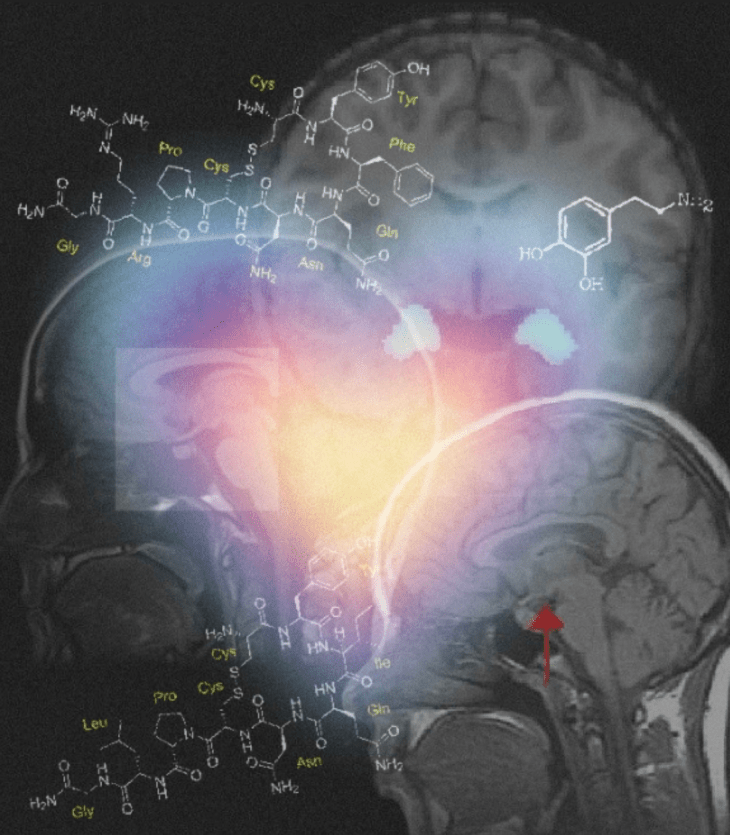
The science of love intertwines biochemical processes and emotional experiences, revealing different types of love—romantic, platonic, and familial—are regulated by various neurochemicals like dopamine, oxytocin, and vasopressin. These elements suggest love is a complex interplay of biology and emotion, shaping our relationships and attachment throughout life.

How our brains went viral: the tiny actors behind our intellectual surge

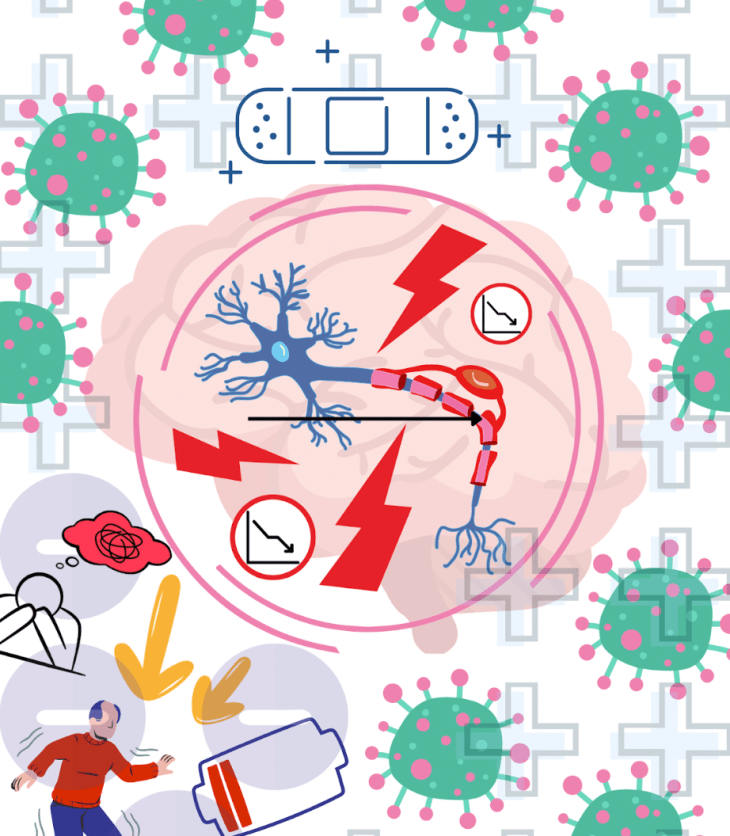
Microbes, particularly viruses, significantly influence our lives. Recent research reveals that viral insertions contributed to the evolution of the myelin sheath, essential for nerve impulse transmission. This discovery highlights the role of transposable elements like RetroMyelin in myelination across vertebrates. Future therapies utilizing viruses may offer advancements in treating neurological diseases.

Temperature Tailored Turtles

Temperature-dependent sex determination (TSD) influences sex in reptiles like turtles and crocodiles, relying on incubation temperature rather than genetics. As global warming threatens these species, skewed sex ratios and extinction risks increase. Adaptive shifts in nesting behavior are insufficient, requiring urgent conservation actions and climate policies to protect TSD species’ survival.

Decoding Alzheimer’s: The Transformative Potential of Glymphatic Clearance

Alzheimer’s disease (AD) is a neurodegenerative disorder that causes cognitive decline and memory loss, primarily due to protein misfolding and aggregation. Recent research highlights the glymphatic system’s role in waste removal in the central nervous system and its dependence on quality sleep, suggesting that disrupted sleep in the elderly may predispose them to AD.

The Hidden Impact of Chronic Stress: Unraveling its Toll on Mental and Physical Health

Stress is a primal instinct crucial for survival, but chronic stress can lead to severe health issues like major depressive disorder (MDD) and cardiovascular disease (CVD). Elevated cortisol levels and inflammation play significant roles in these conditions. Understanding stress’s mechanisms can foster new therapeutic approaches to combat these interconnected diseases.

The Science Behind Aphantasia: Do Minds Without Pictures Really Exist?

The article discusses the concepts of hyperphantasia and aphantasia, highlighting differences in visual imagery among individuals. Aphantasia, identified recently, reflects a complete lack of visual imagery experienced by about 4% of the population. Research aims to objectively measure and understand these conditions, revealing insights into cognitive processes and creativity despite the absence of visual imagination.

Has AlphaFold Cracked the Code?

AlphaFold2, developed by Demis Hassabis and others, has transformed protein structure prediction, achieving nearly 90% accuracy in minutes compared to traditional methods like x-ray crystallography. While it predicts over 2 million protein structures and aids in vaccine development, limitations remain in capturing a protein’s full dynamics and ensuring prediction reliability.

Roots to stars: the increasing attention plants are getting in deep space voyage plans

The article discusses mankind’s potential colonization of interstellar planets, emphasizing the unsustainability of traditional food packaging for space missions. It highlights the significance of plants in bioregenerative life support systems, their adaptation to microgravity and gamma radiation, and the benefits of gamma radiation in enhancing plant resilience and productivity, crucial for future space colonization and addressing climate change.