
The article celebrates Sir Bernard Katz, a Nobel Prize-winning neuroscientist at UCL, highlighting his groundbreaking research on neurotransmission during the 20th century. It reflects on UCL’s historical role in research and the importance of supporting multiculturalism and immigration to maintain its legacy of scientific excellence amidst past controversies surrounding eugenics.
Category: Biology
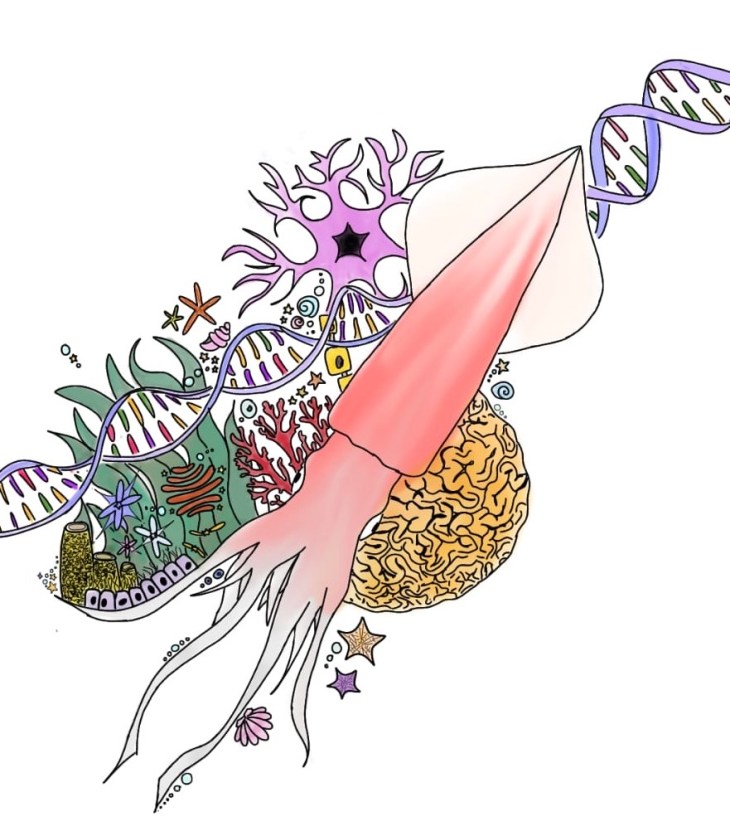
This article explores the life of a spiny dogfish and the remarkable jet propulsion of cephalopods, particularly squids. Highlighting J. Z. Young’s rediscovery of the giant squid axon, the article reflects on its impact on neuroscience and the importance of curiosity in scientific research, emphasizing the need for accessibility and inclusivity in academia.
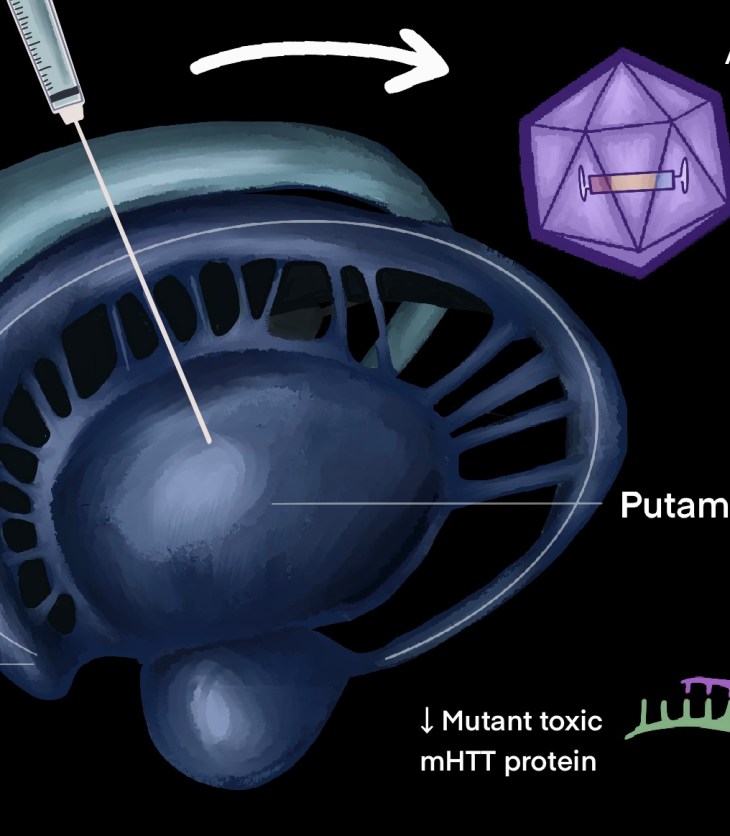
Huntington’s disease is a severe inherited neurodegenerative disorder lacking effective treatments. A UCL research team has pioneered AMT-130, a gene therapy showing promise in slowing disease progression. Early trials indicate safety and significant clinical benefits, marking a hopeful shift towards potentially transformative therapies for Huntington’s and similar conditions.
Bacteria’s remarkable efficiency in responding to environmental changes stems from their ability to sense stress and adjust protein production swiftly through mechanisms like upstream open reading frames (uORFs). These contribute to rapid adaptation, antibiotic resistance, and host-pathogen interactions, emphasizing their significance in gene regulation and implications for human health measures against antibiotic resistance.
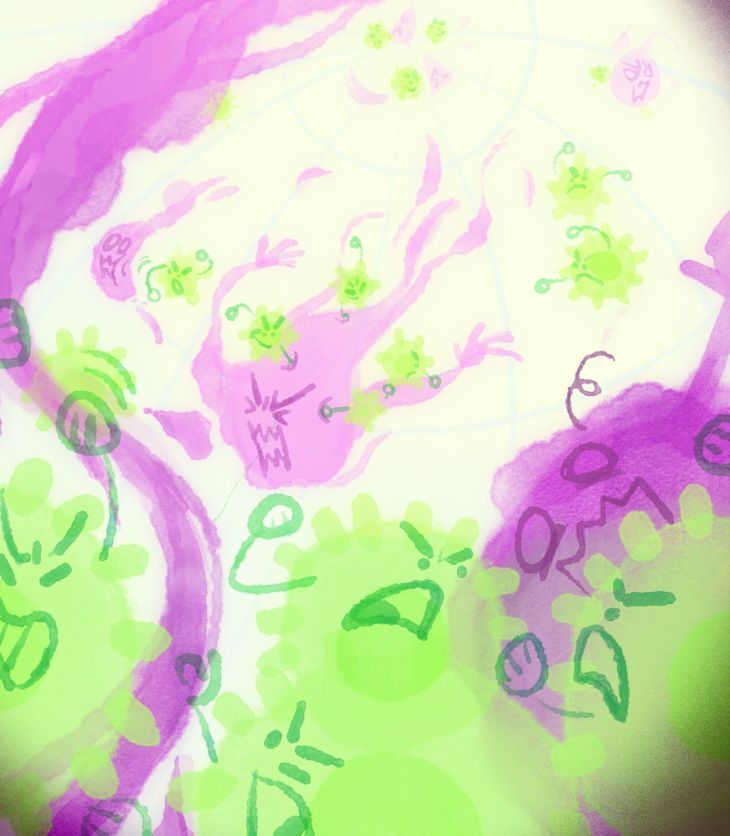
Cancer treatment has evolved with CAR T-cell therapy, where patients’ immune cells are engineered to target cancer. Developed by UCL’s Professor Waseem Qasim, it has shown promise in reversing aggressive blood cancers, with a patient cancer-free for three years. However, it faces challenges in treating solid tumors and manufacturing costs.
Artificial Intelligence (AI) is significantly transforming biological academia, exemplified by tools like ImmunoMatch, which predicts antibody assembly and enhances therapeutic design. Developed by UCL’s Fraternali Lab, ImmunoMatch accelerates drug development and personalized medicine. The integration of AI in research promises substantial advancements in immunological therapy, benefiting patient care and pharmaceutical innovation.
The article discusses the essential role of proteins in life and the complex processes of protein synthesis involving transcription and translation. It explores the origins of protein synthesis through the RNA World and Thioester World Hypotheses, reflecting recent research by UCL chemists that connects these theories and offers insights into early life emergence through key chemical reactions.
Over the last 200 years, UCL has produced five Nobel Prize winners in neuroscience, including Dale & Loewi, Huxley, Katz, O’Keefe, and Hinton. Their groundbreaking work has advanced our understanding of neural communication, electrical signals, neurotransmitter release, cognitive mapping, and AI, significantly influencing modern neuroscience and technology.
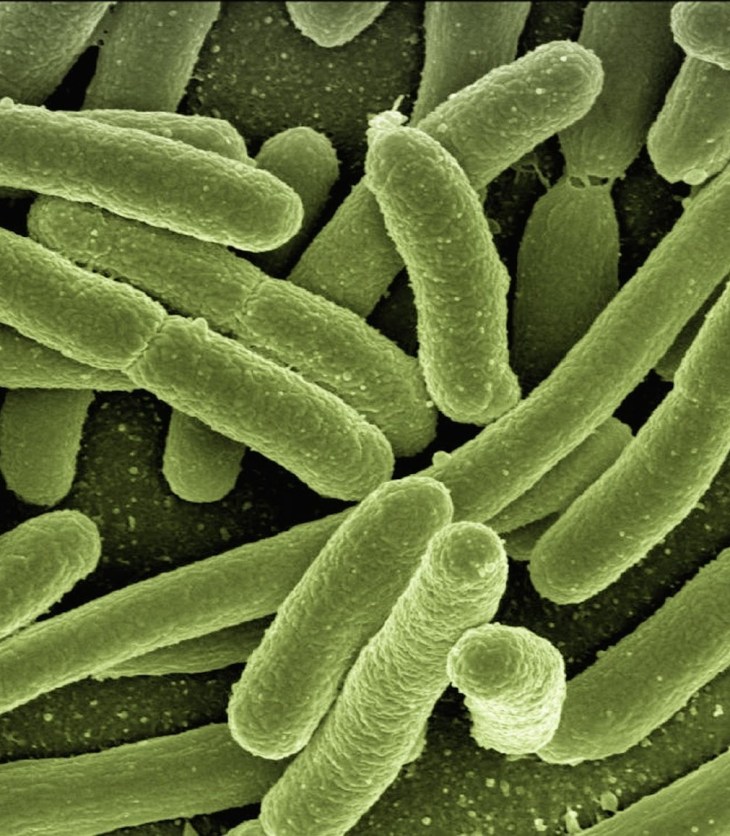
Interest in gut microbiota has surged, linking it to various health issues, including cancer treatment. Comprising beneficial bacteria, it plays roles in digestion and immune system function. Specific strains, like F. prasunitzii, show promise in enhancing responses to cancer therapies, highlighting the microbiota’s potential in future cancer treatments.
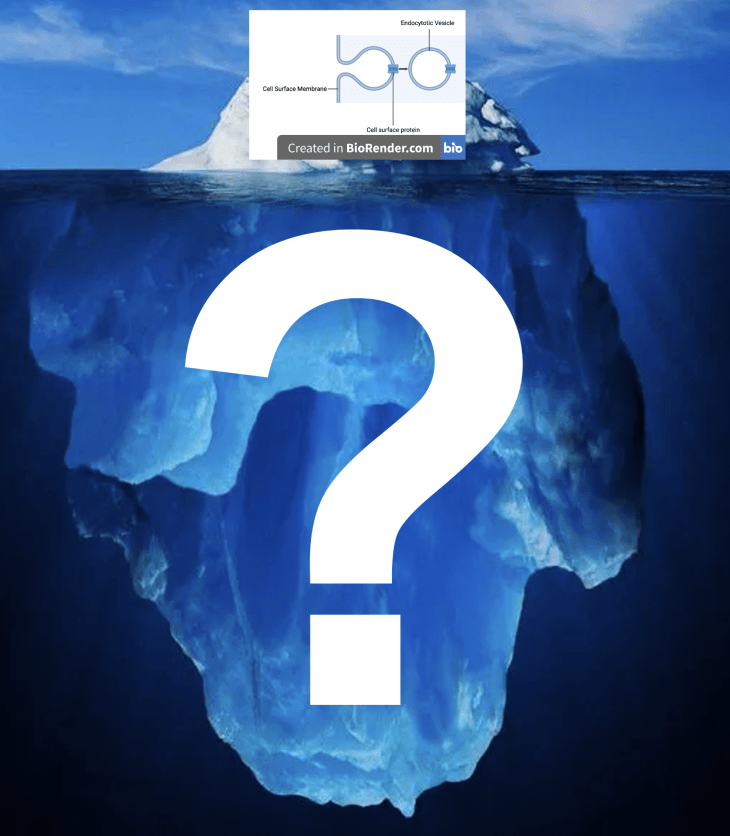
The post discusses endocytosis, a process where cells transport molecules into themselves via membrane bending. It highlights the role of endosomes and ESCRT complexes in sorting, recycling, and degrading cargo proteins. Dysfunction in these processes is linked to neurodegenerative and metabolic diseases, emphasizing their biological significance and ongoing research.
 Kinesis Magazine