
Learn more about UCL’s (auto)iconic Jeremy Bentham and the science behind Mokomokai preservation.
Category: Article
Artificial Intelligence (AI) is significantly transforming biological academia, exemplified by tools like ImmunoMatch, which predicts antibody assembly and enhances therapeutic design. Developed by UCL’s Fraternali Lab, ImmunoMatch accelerates drug development and personalized medicine. The integration of AI in research promises substantial advancements in immunological therapy, benefiting patient care and pharmaceutical innovation.

Blakeney Point, located along the Norfolk coastline, is a vital field station for UCL’s biodiversity education. Established over a century ago, it hosts hands-on learning experiences for postgraduate students in courses like MRes in Biodiversity and MSc in Global Change. The immersive environment fosters community, practical skills, and a deep appreciation for local ecosystems.
Founded in 1826, UCL has championed inclusivity, notably by admitting women equally alongside men in 1878. This marked a pivotal change in academia. Celebrating its 200th anniversary, UCL continues to empower women in STEM, addressing gender gaps, and fostering communities like the Women in STEM Society. Challenges persist, but progress continues.
The article discusses the essential role of proteins in life and the complex processes of protein synthesis involving transcription and translation. It explores the origins of protein synthesis through the RNA World and Thioester World Hypotheses, reflecting recent research by UCL chemists that connects these theories and offers insights into early life emergence through key chemical reactions.
Over the last 200 years, UCL has produced five Nobel Prize winners in neuroscience, including Dale & Loewi, Huxley, Katz, O’Keefe, and Hinton. Their groundbreaking work has advanced our understanding of neural communication, electrical signals, neurotransmitter release, cognitive mapping, and AI, significantly influencing modern neuroscience and technology.
This article exposes UCL’s ties to military industries through investments and research, revealing the institution’s responsibility in Palestine’s humanitarian crisis and healthcare collapse. It calls for accountability and commitment in light of the bicentennial celebrations.
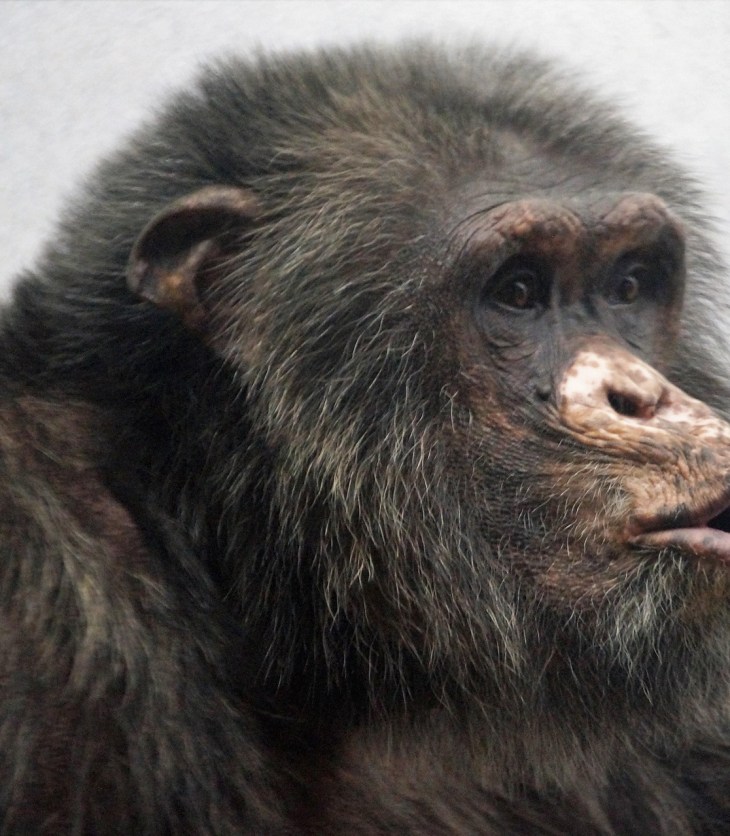
A study by Pereira et al. (2020) on chimpanzee lip smacks reveals their communication may resemble human speech, involving rhythm and multimodal signals. Lip smacking signifies friendliness and intimacy during grooming. Variations in rhythms suggest learned social behaviors, akin to dialects in humans, offering insights into language evolution and group identity formation.
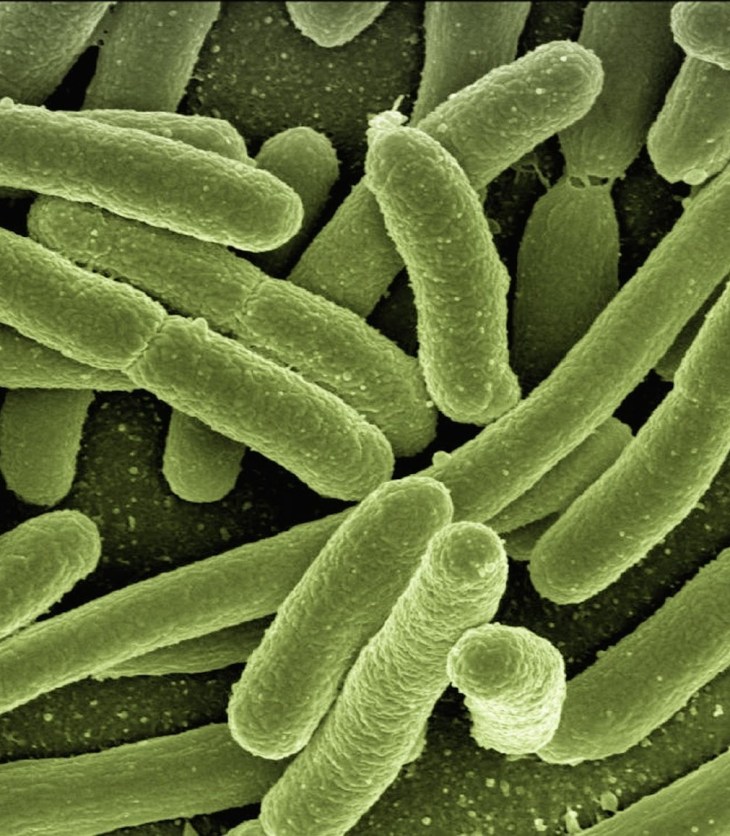
Interest in gut microbiota has surged, linking it to various health issues, including cancer treatment. Comprising beneficial bacteria, it plays roles in digestion and immune system function. Specific strains, like F. prasunitzii, show promise in enhancing responses to cancer therapies, highlighting the microbiota’s potential in future cancer treatments.
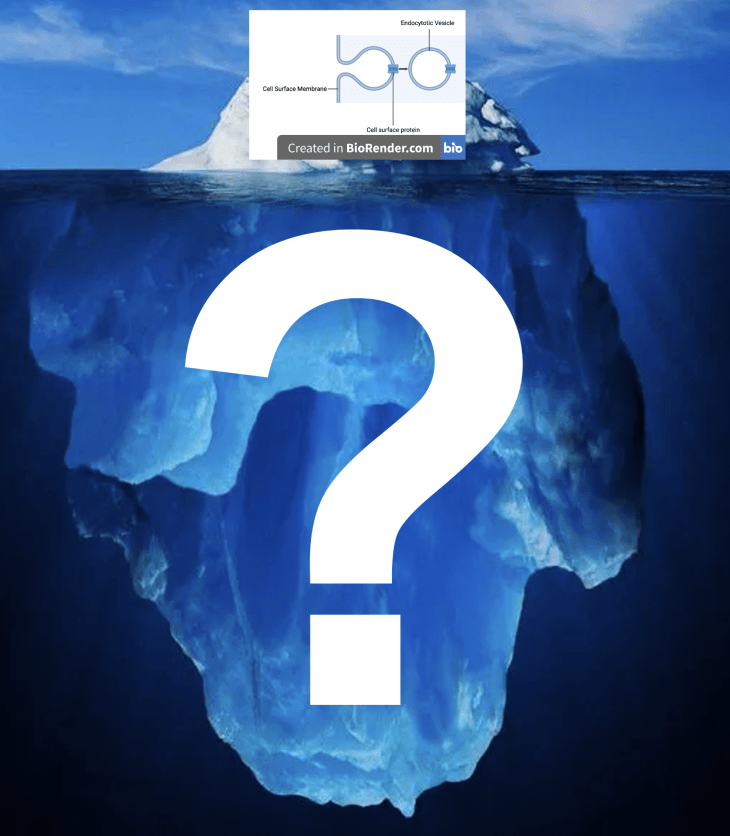
The post discusses endocytosis, a process where cells transport molecules into themselves via membrane bending. It highlights the role of endosomes and ESCRT complexes in sorting, recycling, and degrading cargo proteins. Dysfunction in these processes is linked to neurodegenerative and metabolic diseases, emphasizing their biological significance and ongoing research.
 kinesismagazine.com