Do Epigenetics Link With Myopia?

Myopia is a growing global issue affecting nearly 1 in 5 teenagers, characterized by light focusing in front of the retina. While genetics plays a crucial role, epigenetic factors are significant in its progression. Research identifies over fifteen gene loci involved in myopia, particularly through DNA methylation, influencing gene expression and contributing to refractive errors.

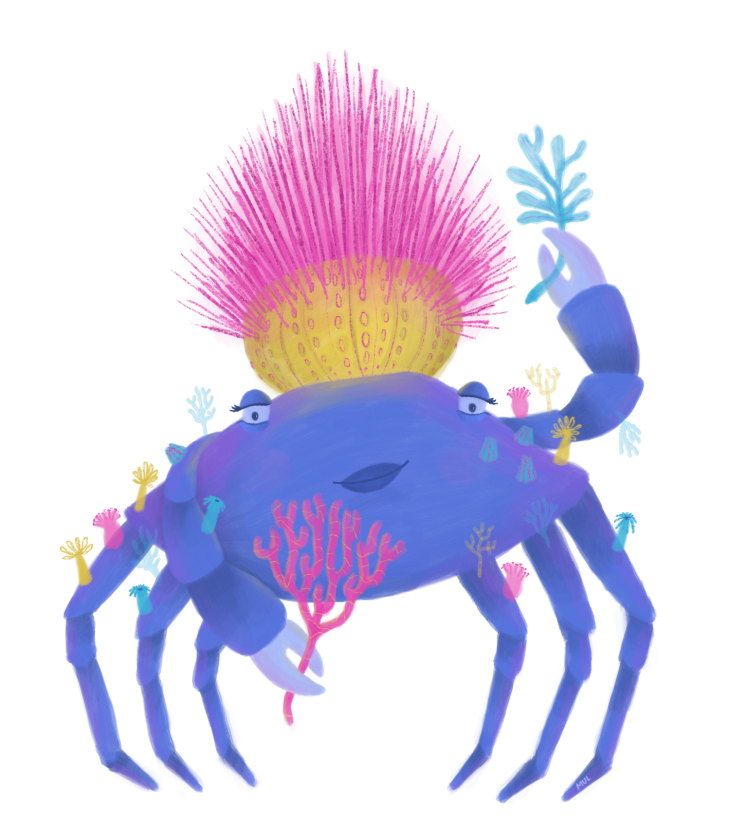
Aesthetics in the animal kingdom

The article explores the aesthetic behaviors of various animals, particularly focusing on the unique shell-decorating practices of Xenophora snails, which provide evolutionary advantages. It also highlights the apparent aesthetic sensibilities in bowerbirds, orcas, and chimpanzees, suggesting that these behaviors indicate self-expression and culture beyond mere survival instincts.

A Guide to Being a Picky Eater

Picky eating habits arise from genetic predispositions and environmental factors. Taste buds detect five taste qualities, influencing preferences. Genetic variations like TAS2R38 and TAS1R2/TAS1R3 affect bitterness and sweetness perception. Taste preferences may change with age and exposure to foods. Social factors, including parenting practices, also contribute to picky eating tendencies, adding complexity to food behavior’s nature versus nurture debate.

Neuroepigenetics: How the Past Affects the Present

The emerging field of neuroepigenetics explores the interplay between genetics and life experiences, particularly how ancestral traumas may influence behavior through heritable epigenetic changes. Research indicates that trauma can alter gene expression, affecting future generations. This insight could enhance treatment for neuropsychiatric disorders, although clinical applications remain in development.