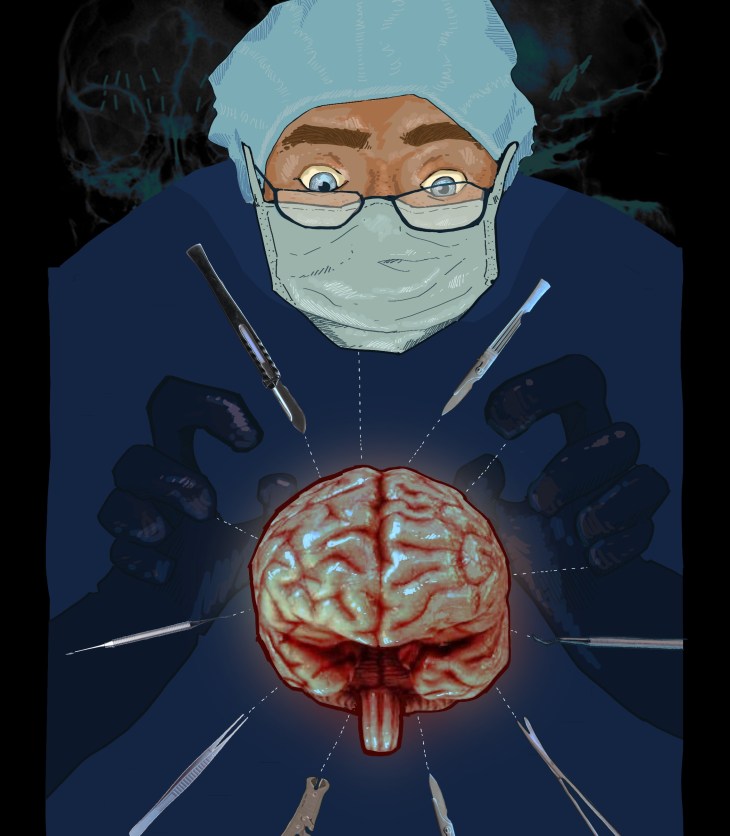
Cuteness Overload: How Our Brains React to Extreme Adorableness

Cuteness, characterized by features like large eyes and small noses, evokes intense emotional responses, activating brain regions linked to pleasure and caregiving. This appeal extends to animals and inanimate objects, underscoring its evolutionary significance. Awareness campaigns leverage cuteness to promote conservation, but challenges exist for less aesthetically pleasing species needing support.

Why the Knee is Poorly Designed for Injury Recovery: A Personal Account

Madeleine Hjelt shares her experience with a knee injury sustained while skiing, leading to severe bone bruising and a small fracture. The poor blood supply in knees delays healing, complicating recovery, especially for those with Generalised Joint Hypermobility. She emphasizes the importance of joint health management and proper recovery strategies to prevent long-term issues like osteoarthritis.

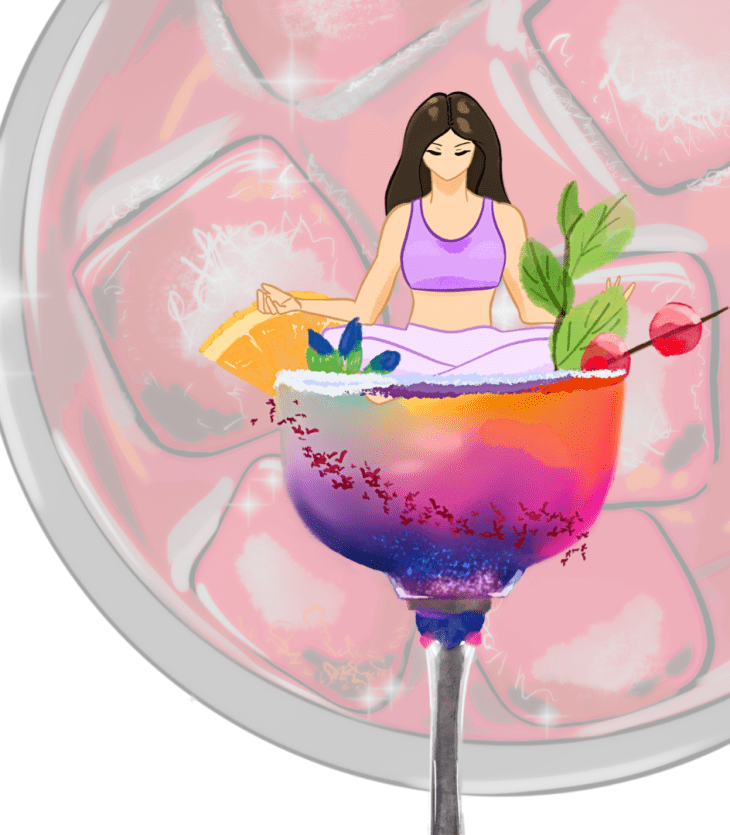
Coffee is actually good for you

Recent studies suggest that moderate coffee consumption, particularly around three cups daily, may offer benefits such as increased alertness, reduced risk of depression, and lower heart failure rates. However, individual responses to caffeine can vary, and excessive intake may raise health concerns, particularly during pregnancy. Balance is essential.

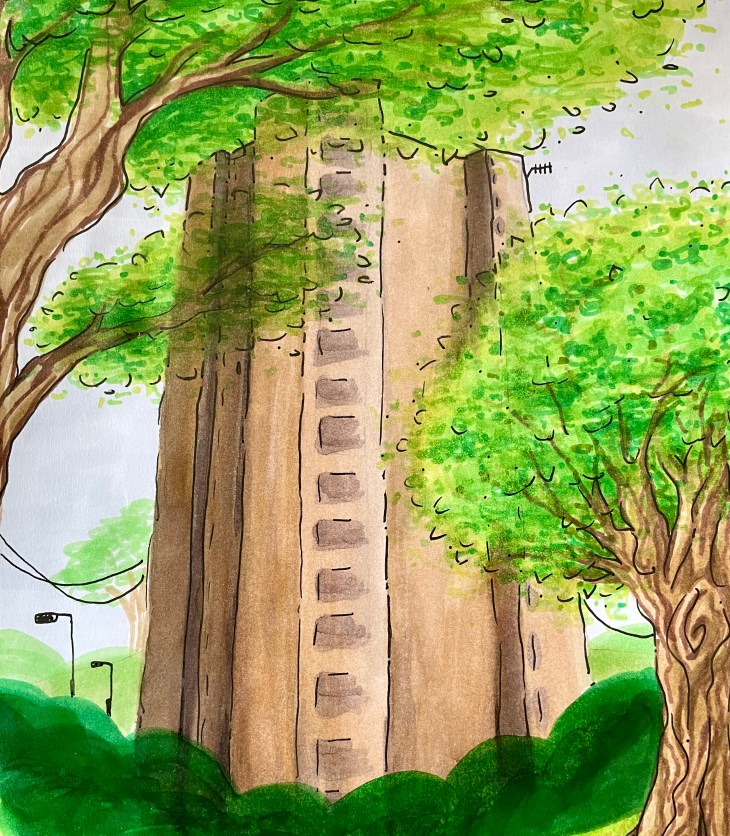
An untold academic fight—how the schism between the Archaeologists of the 60’s and 70’s impacts our understanding of the past and where we go forward

In November 2024, amid political fragmentation, President-elect Trump promises to evict minorities, while Starmer balances identity politics against far-right claims. The article explores how archaeology’s evolution affects political identity, urging a rejection of outdated narratives to embrace a nuanced understanding of historical objects and their significance in contemporary discourse.

Under Pressure: Why we crack under high stress

The article discusses the phenomenon of “choking” under pressure, illustrated through examples from sports and gaming. Research by Smoulder et al. explores this phenomenon in rhesus monkeys, revealing that excessive reward pressure can hinder performance. While their findings provide insights into the neural mechanisms involved, further studies are necessary to relate these findings to humans.

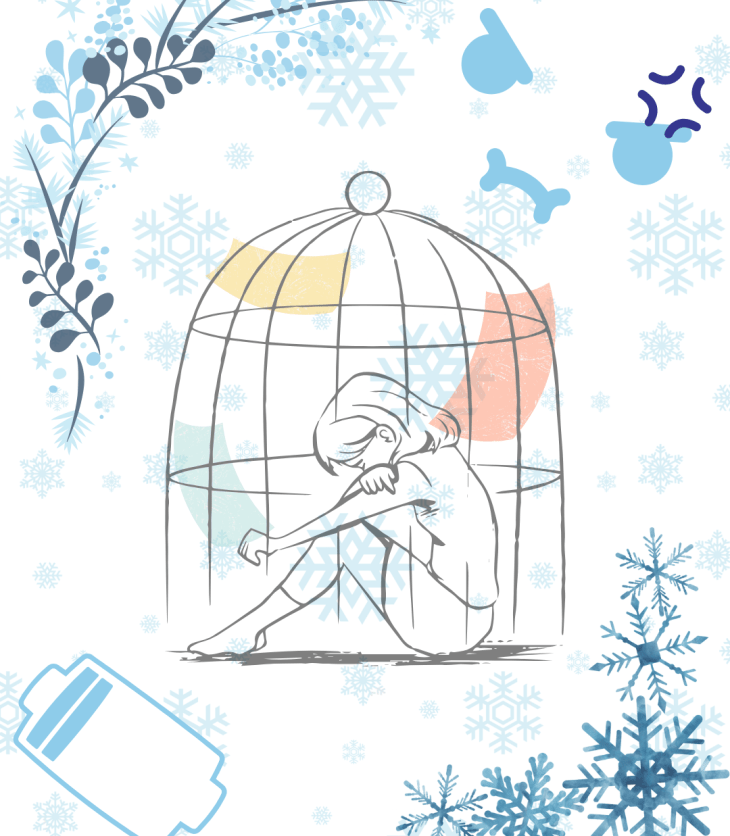
Everything looks grey—literal or metaphorical?

The content discusses the relationship between color perception and depression, highlighting how individuals with depressive disorders often experience altered visual perceptions, such as seeing colors as less saturated. Research indicates that depression impacts both color perception and interpretation, which could guide treatment strategies like art therapy, enhancing communication and support for affected individuals.

Fussy eating is mostly due to genetics in children and teens

A recent study reveals that fussy eating in children is predominantly influenced by genetics rather than environmental factors, providing relief to concerned parents. Analyzed data from twin families showed that genetic differences account for a significant portion of food fussiness, with environmental influences affecting behavior mainly in early childhood. Further research is needed.