Beyond Forgetting: Psychiatric Symptoms in Dementia 

The narrative discusses the psychiatric symptoms of dementia, particularly focusing on hallucinations and delusions seen in conditions like Lewy body dementia. These symptoms complicate the lived experience of patients and their relationships. Awareness is crucial for improving patient care, understanding their experiences, and fostering better treatment strategies amidst ongoing research limitations.

A Runner’s addiction: ‘Runner’s high’–What it is and its benefits on mental health

This article explores the phenomenon of ‘runner’s high,’ a euphoric state experienced during and after running, attributed to the endocannabinoid system, endorphins, serotonin, and dopamine. This natural high enhances mental health, reduces stress, and improves overall well-being, motivating individuals to run regularly for both physical and psychological benefits.

The Earth as a Generator – Somerville and Another Kind of Electricity

Mary Somerville, a Scottish polymath in the 1830s, grappled with the challenges of scientific criticism and financial strain while writing her opus, “Connexion of the Physical Sciences.” Her innovative ideas about electromagnetism and Earth’s potential as an energy source inspired future research, culminating in recent experiments that partially confirmed her theories, marking a significant scientific milestone.

The Pointing Orangutan: A Deep Dive

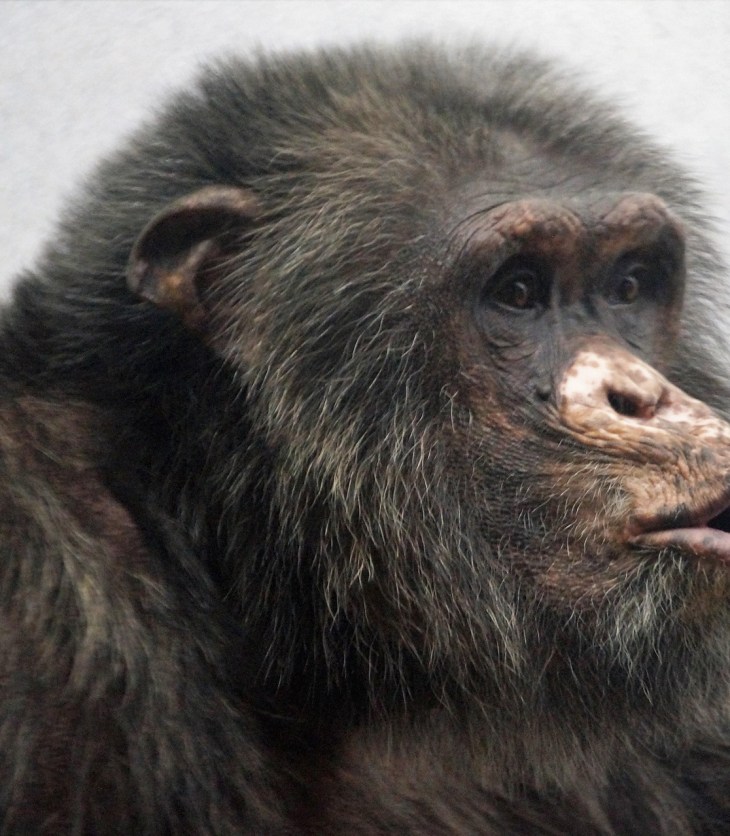
Amber, an orangutan featured on TikTok, showcases her curiosity through gestures at a zoo. Her interactions stimulate public engagement and discussions about primate behavior, cognition, and communication. This phenomenon parallels early scientific exploration and raises important questions about animal intelligence, self-awareness, and the relationship between humans and animals.

A Science for Socialists?: what the history of eugenics can tell us about contemporary political divisions

UCL’s historical ties to eugenics reveal a complex narrative; it was central to eugenic research in Britain, supported by figures like Galton and Pearson. As a pseudoscience rooted in social control, eugenics intertwined with early 20th-century socialism, promoting reproductive policies under the guise of progress. Its legacy complicates current political discourse.

When Nature’s Janitors Disappear: India’s Vulture Collapse and Its Human Toll

The ongoing sixth mass extinction, primarily caused by humans, has led to the decline of crucial species like vultures in India. Once abundant, their populations have plummeted due to diclofenac use. This collapse adversely impacts public health and the economy, illustrating the necessity of prioritizing conservation for ecologically vital species over charismatic ones.

Unmasking the ‘love hormone’: Does oxytocin truly make us more loving?

Oxytocin, known as the ‘love hormone,’ plays a complex role in human emotions and social bonding. It facilitates childbirth and fosters affection, but can also influence in-group bias, leading to discrimination. Understanding oxytocin highlights its dual effects in relationships, showing it contributes to love while underpinning social divisions.

An Introduction to Brainwashing

The article examines the complex concept of brainwashing, highlighting how individuals can succumb to extreme beliefs due to social coercion and misinformation. It discusses the significance of schemas in shaping beliefs and behaviors while emphasizing the need for critical thinking to combat manipulation. Ultimately, it calls for valuing human life in political discourse.

Simulating Evolution: From One Humble Sapling

The Sapling is an indie video game developed by Wessel Stoop that simulates life evolution across various organism groups. Players can create ecosystems or let randomness guide mutations. Although it sacrifices some realism for playability, its educational value has been recognized, highlighting the potential of video games in learning. The game continues to evolve and excite its community.