Can plants see?

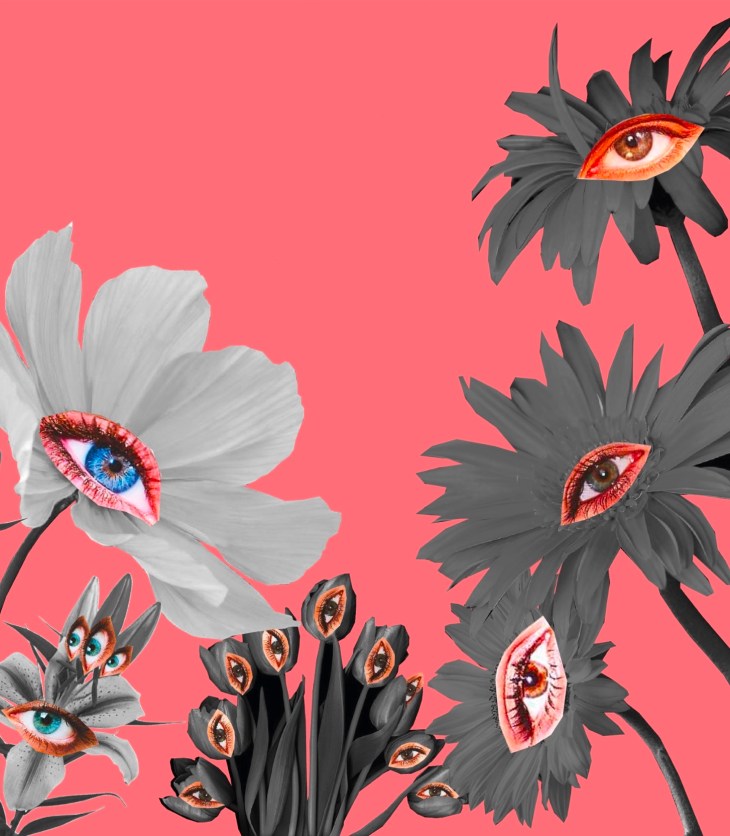
The theory by botanist Gottlieb Haberlandt proposed that plants might “see” similarly to animals. Recent studies on the Boquila Trifoliolata vine reveal its remarkable mimicry of host leaves, suggesting potential sensory capabilities. Experiments indicate that this plant can adapt its appearance even without genetic information, supporting the hypothesis of “plant ocelli.”

Seaweed Farms: A Tasty Solution to Climate Change?

Seaweed farms are emerging as a significant climate change solution, with Europe aiming to cultivate 8 million metric tons annually by 2030. These farms can absorb carbon dioxide and offer versatile applications like biofuel, packaging, and fertilizers. However, sustainability concerns and potential ecological impacts require further research to ensure their effectiveness and minimize risks.

Can Animals Feel Empathy? Observations of Rescue Behaviour

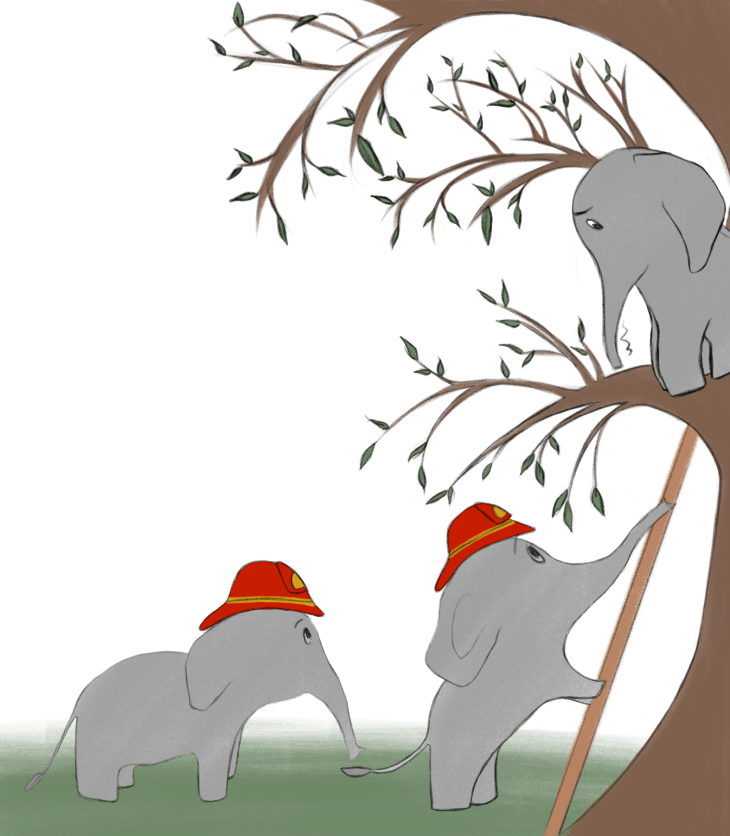
Rescue behavior, primarily observed in humans, is rare among animals, where individuals risk harm to help others in distress without immediate personal benefit. Documented examples include Seychelles warblers and wild boars. The potential link to empathy suggests evolutionary advantages for group survival, highlighting animals’ capabilities and adaptability in response to environmental pressures.

The Joker: A Deep Dive

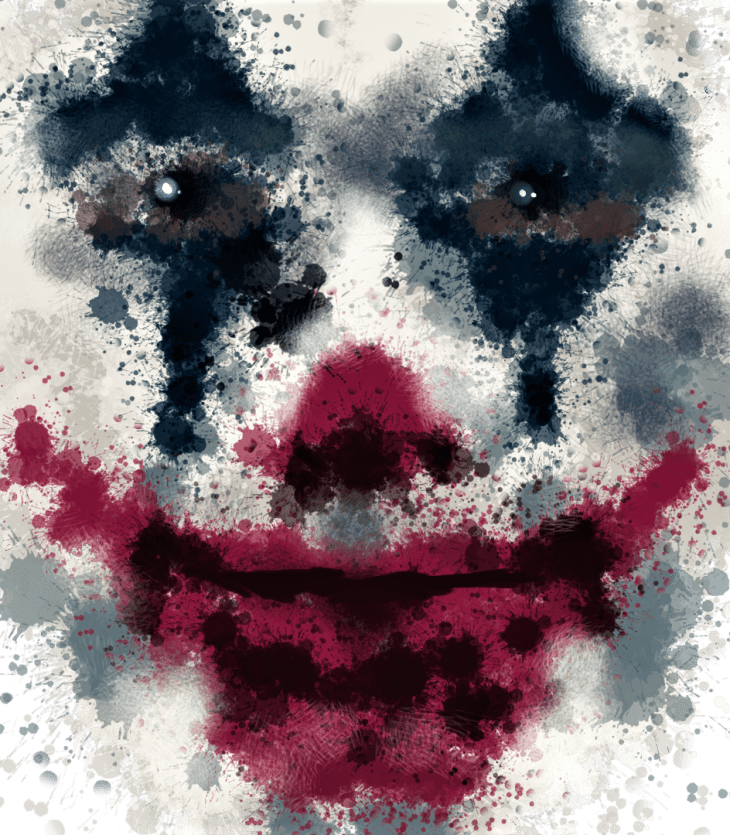
The film “Joker” explores the origins of Arthur Fleck, a man with mental illnesses shaped by childhood trauma and societal neglect. As he transitions into the Joker, his struggles with disorders like Pseudobulbar Affect and Narcissistic Personality Disorder manifest violently. The narrative highlights the complexities of mental health without justifying his actions.

“A Hug Without ‘U’ is Just Toxic” – it’s fun until it’s not!

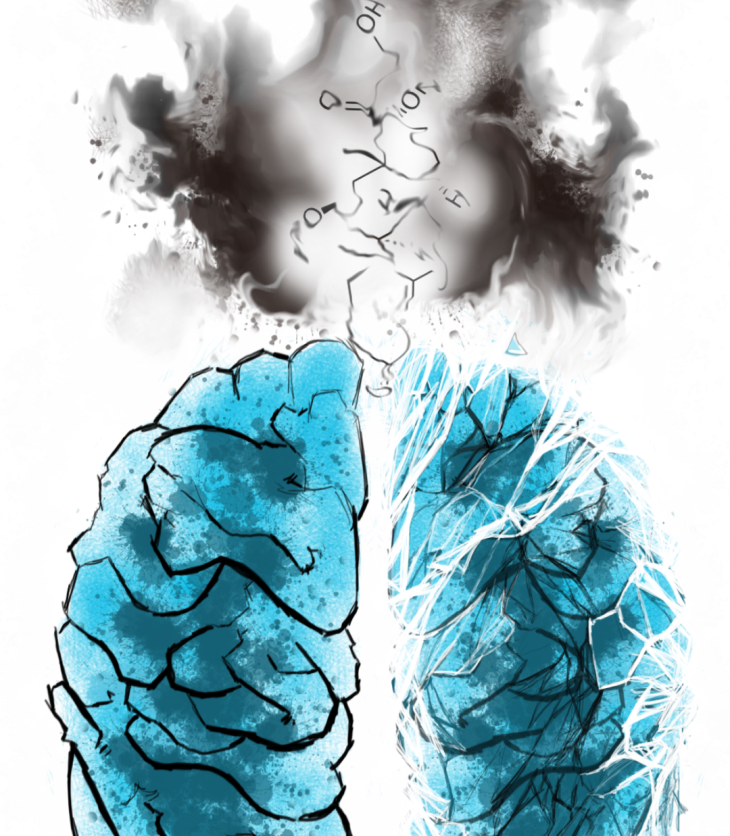
The article discusses the dangers of toxic substances and drug interactions, highlighting Karen Wetterhahn’s fatal dimethylmercury exposure, and paracetamol’s risks when combined with alcohol. Genetic variations influence toxicity; for instance, certain populations metabolize drugs differently. Emphasizing careful medication use, it cautions against overlooking food safety and drug interactions, advocating for healthcare consultation.

Your Doctor can’t see you now

The Doctors’ Association UK warns of a potential shortfall of 8000 GPs in the next decade due to increasing pressures, burnout, and outdated perceptions. Despite initiatives like the GP retention scheme, support remains inadequate, risking further doctor attrition. The mismatch between medical graduates and those entering General Practice exacerbates the crisis.