
The article celebrates Sir Bernard Katz, a Nobel Prize-winning neuroscientist at UCL, highlighting his groundbreaking research on neurotransmission during the 20th century. It reflects on UCL’s historical role in research and the importance of supporting multiculturalism and immigration to maintain its legacy of scientific excellence amidst past controversies surrounding eugenics.
Author: kinesismagazine
The article discusses the significance of palliative care in the face of terminal illness and highlights the challenges in its accessibility, with a focus on the recently introduced Assisted Dying Bill in the UK. Dr. Libby Sallnow stresses ethical concerns over eligibility assessments, advocating for improved palliative care while encouraging public dialogue on end-of-life choices.
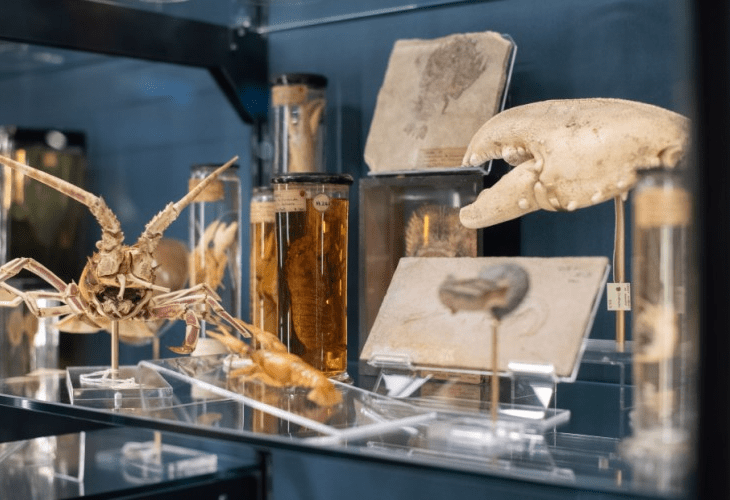
In 1826, UCL was founded, marking a transformative year for Charles Darwin and Dr. Robert Edmond Grant. Darwin learned from Grant while working on evolutionary biology, leading to his later groundbreaking work. Grant established the Grant Museum, crucial for zoological studies, though he faced academic competition that hindered his recognition during his lifetime.
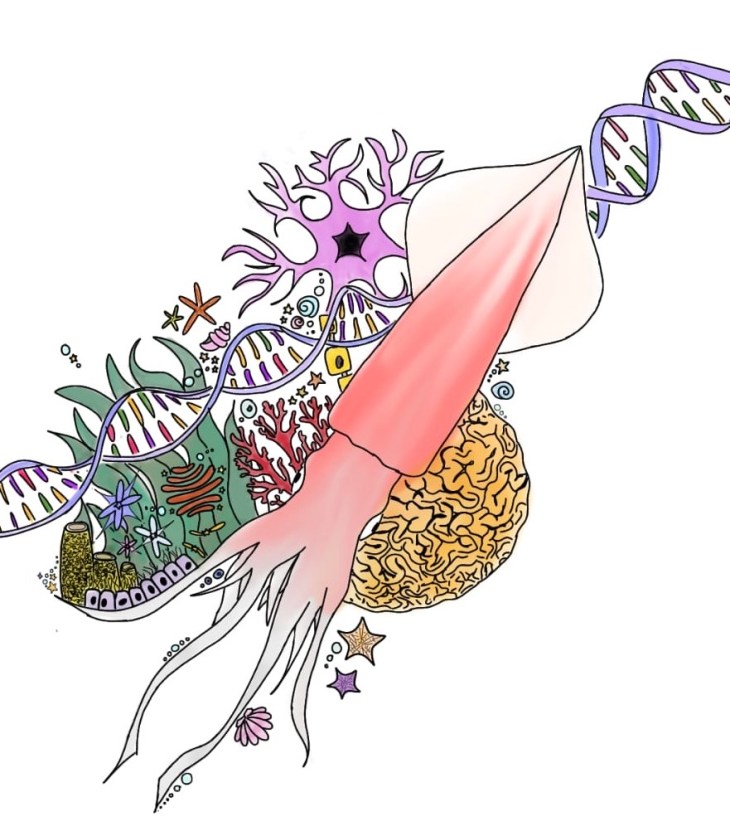
This article explores the life of a spiny dogfish and the remarkable jet propulsion of cephalopods, particularly squids. Highlighting J. Z. Young’s rediscovery of the giant squid axon, the article reflects on its impact on neuroscience and the importance of curiosity in scientific research, emphasizing the need for accessibility and inclusivity in academia.

In 2018, an inquiry into UCL’s role in eugenics led to a public apology and the launch of the Eugenics Legacy Education Project (ELEP) to address its historical impacts. The concerns regarding biased biometric data collection and AI surveillance raise questions about the lessons learned from past scientific discrimination and the need for ethical data regulation.
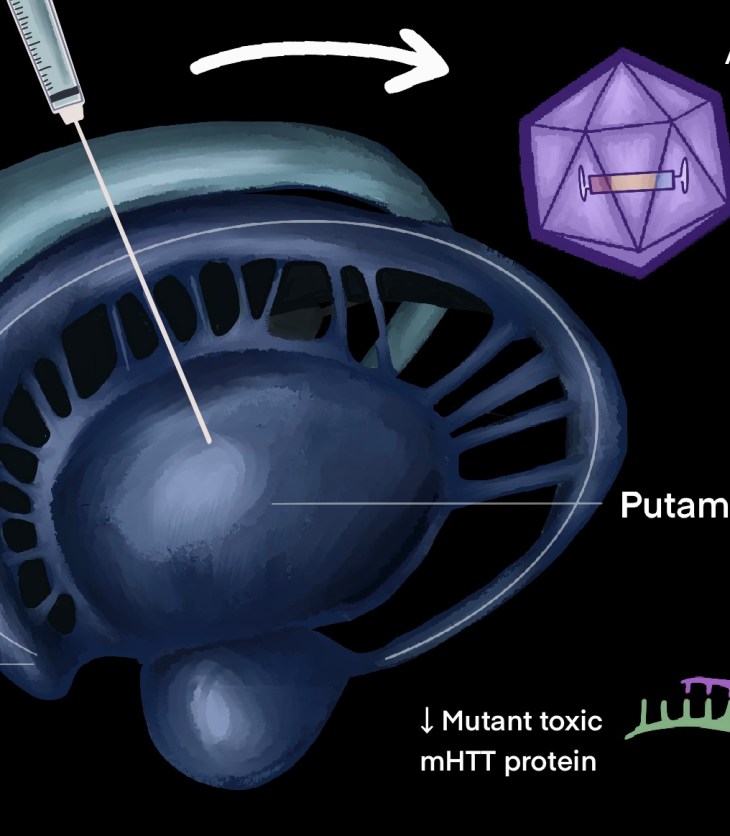
Huntington’s disease is a severe inherited neurodegenerative disorder lacking effective treatments. A UCL research team has pioneered AMT-130, a gene therapy showing promise in slowing disease progression. Early trials indicate safety and significant clinical benefits, marking a hopeful shift towards potentially transformative therapies for Huntington’s and similar conditions.
Bacteria’s remarkable efficiency in responding to environmental changes stems from their ability to sense stress and adjust protein production swiftly through mechanisms like upstream open reading frames (uORFs). These contribute to rapid adaptation, antibiotic resistance, and host-pathogen interactions, emphasizing their significance in gene regulation and implications for human health measures against antibiotic resistance.
The Cruciform Teaching Labs at UCL, formerly a children’s hospital, feature Royal Doulton tile paintings tied to historical public health advancements in the UK. The “Sanitary Awakening” led to improved sanitation laws, impacting child health. These tiles symbolize the intersection of art, healing, and the evolution of public health practices.
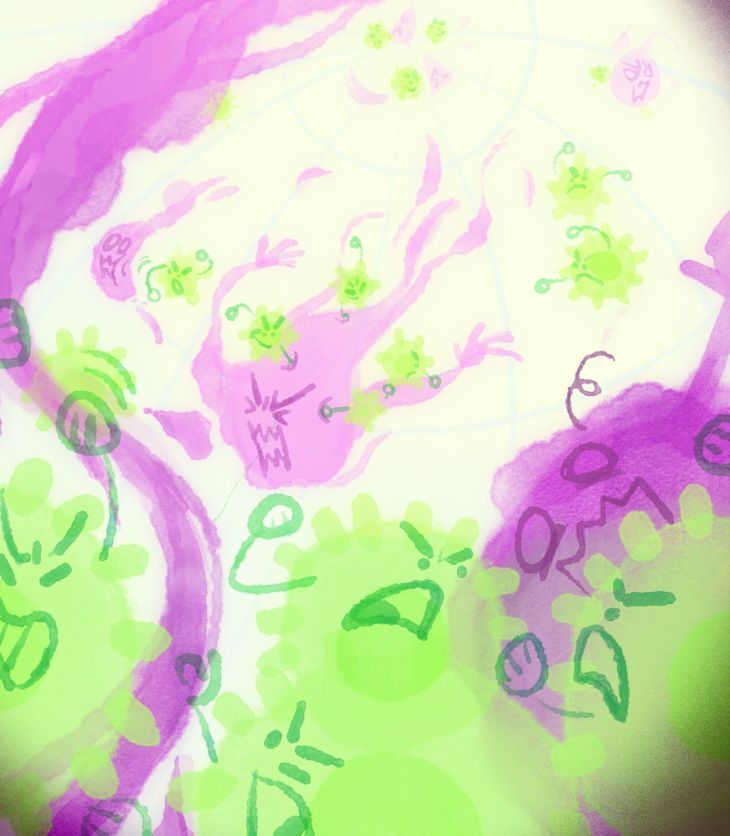
Cancer treatment has evolved with CAR T-cell therapy, where patients’ immune cells are engineered to target cancer. Developed by UCL’s Professor Waseem Qasim, it has shown promise in reversing aggressive blood cancers, with a patient cancer-free for three years. However, it faces challenges in treating solid tumors and manufacturing costs.
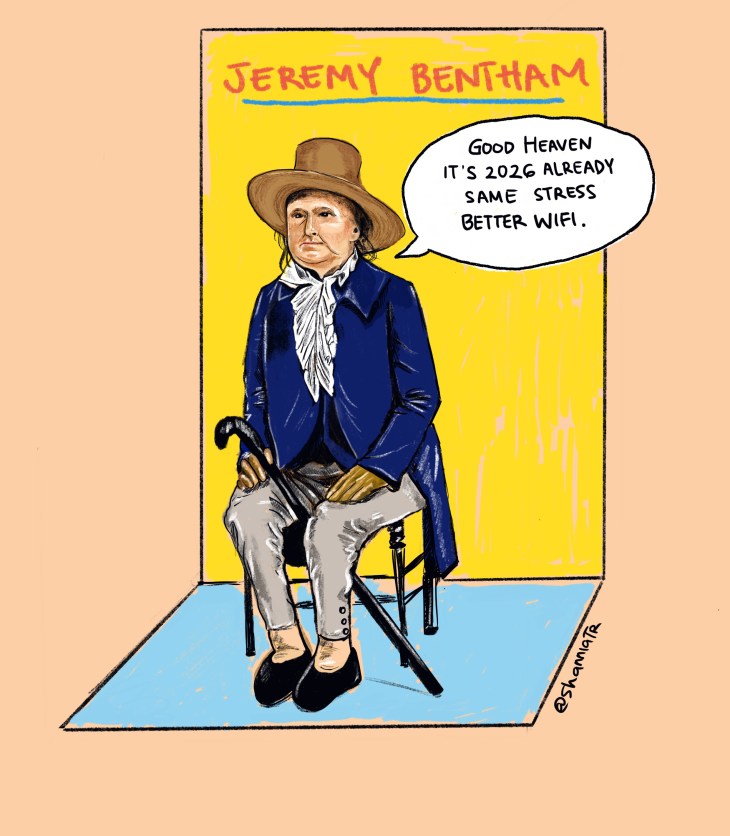
Learn more about UCL’s (auto)iconic Jeremy Bentham and the science behind Mokomokai preservation.
 Kinesis Magazine