
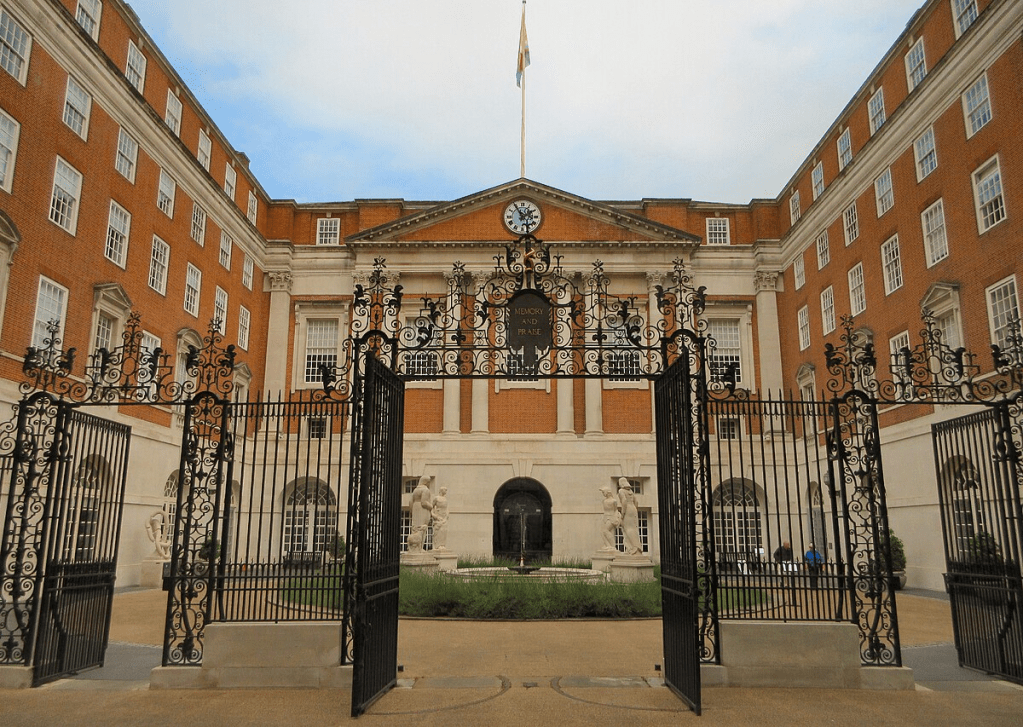
Image Source: AndyScott, Wikimedia Commons
Author: Altay Shaw
A study conducted by the British Medical Association has found tolerance of sexism and harassment to have become “dangerously normalised”, with large numbers of students reporting having been sexually harassed or assaulted during their time at medical school.
Of the 968 students who responded to the survey and provided their testimony of their experiences, 41% of female students and 19% of male students stated that they had either been sexually harassed or assaulted while they were studying at a medical school in the United Kingdom. 20% of female respondents and 6% of male respondents reported experiencing harassment or assault during their clinical placement.
84% of those participating in the study stated that they believed that sexism is a problem within medical education. More shockingly, 60% of students who responded stated that they would not be confident that a complaint of harassment or assault would be dealt with adequately if reported to their medical school, with 75% of those who had reported an incident stating they had not had a satisfactory outcome.
The report found a similar set of findings to a 2022 paper which was published by the Royal College of Surgeons England bulletin “Sexual Assault in Surgery: A painful truth”. The paper, authored by Simon Fleming and Becky Fisher, showed the depth of the issues the speciality The report highlights the challenges faced regarding sexism and sexual assault. Demonstrating how much remains to be done to tackle the cultural issue within a field that, for the first time this year, has more female doctors than male doctors.
In response to the findings, the BMA welfare co-chairs for medical students, Erin Maccabe and Gerald Herman, released an article on the BMA website, highlighting the need for urgent changes, both on an institutional and a governmental level. They referred to the need for true reform within medicine and to ensure that the process of implementing changes does not become a “tick-box exercise but a means of empowering these students to recognise, report and call out harmful behaviours in academic, professional and personal settings”.
The report suggested that medical schools need to take responsibility in ensuring clinical placements are safe and inclusive. The need to provide multiple channels was also mentioned. As it currently stands, University College London recommends medical students use their Raising Concerns platform, which is separate from the troubled UCL Report + Support tool, where there are multiple concerns about the platform’s ability to respond and support students in their time of need.
Medical schools also need to implement consistent and robust rules for punishing sexual violence per the recommendations. This should include “review of medical school fitness to practise guidance and ensuring panels are equipped to manage cases of sexual misconduct, preventing weaponisation of these processes to discourage reporting.”
This report has highlighted an uncomfortable reality when it comes to the experiences of medical students trying to become doctors. As their assailants can be doctors, patients, colleagues, or members of the public, it is more important than ever that we stand with medical students and help them implement meaningful change, both at the local and national levels.
If you would like to read the full findings of the report, you can find them here via the BMA’s website.
 Kinesis Magazine