
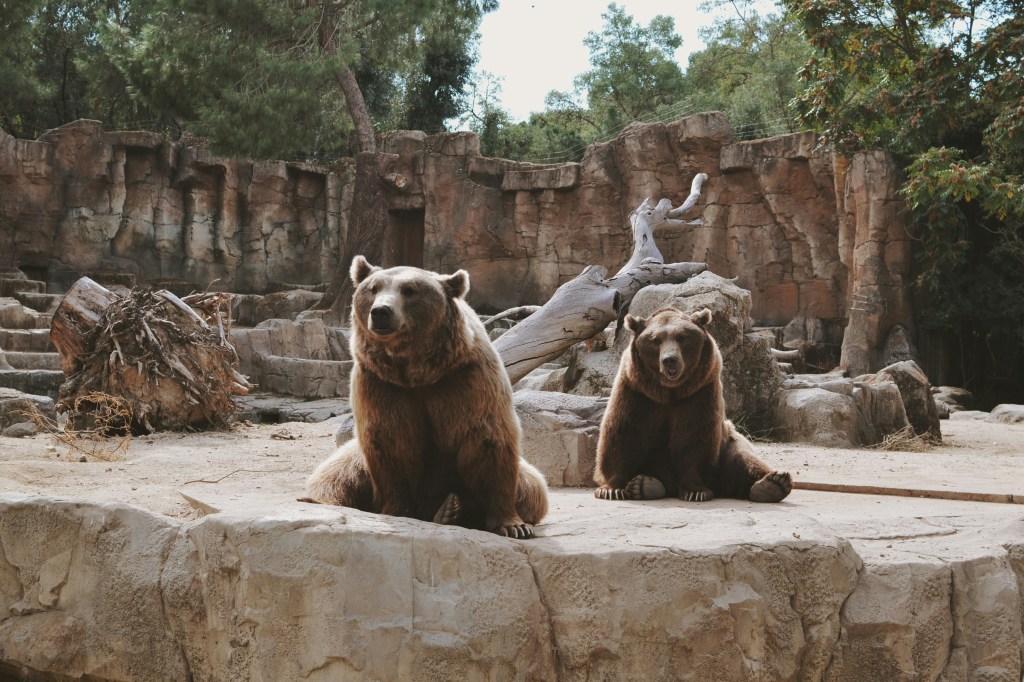
Author: Nirvan Marathe
Editor: Altay Shaw
Zoological parks, once merely sites of amusement, have developed into organisations that claim to serve as representatives for biodiversity, conservation, and education. However, as the internet era develops and animal rights activism grows, more people are beginning to question the morality and applicability of zoos. This article explores whether zoos still hold a place in our society.
Historical Context and Evolution
Zoos have a long history. They began as menageries, displaying exotic animals brought in from all over the world to demonstrate the wealth and might of the elite. Modern zoos claim to be focused on conservation, education, and recreation, but over time, their mission has evolved towards scientific research and public education. The design of modern zoos, which aim to replicate natural habitats rather than confining animals in barred cages, is indicative of this shift.
Conservation Efforts and Their Pitfalls
Zoo supporters argue that zoos play a critical role in conserving endangered species by providing secure environments that shield them from poaching and habitat loss. They also emphasise how important breeding initiatives are to preserving genetic variety and sustaining the populations of endangered species. These assertions, however, don’t always bear up to examination. Insufficient supervision and careless surroundings indicate a worrisome disregard for the fundamental principles anticipated of these establishments.
Ethical Concerns and the Commodification of Wildlife
Zoos often commodify wildlife, turning living beings into assets that can be traded, valued, and exploited for profit. Breeding schemes that prioritise charismatic species, which may boost zoo attendance and funding through the attractiveness of uncommon creatures, serve as a clear illustration of this commodification. The narrative of conservation frequently obscures a harsher reality in which animals are traded and bred across zoos with little thought given to the animals’ individual welfare or social structures.
Psychological and Physical Impacts on Zoo Animals
According to research, animals in captivity exhibit outward signs of stress, like pacing and repeated motions. These actions are a sign of restricted living situations, which prevent the individual from participating in activities that are natural to them. The mental state of animals kept in confinement, sometimes known as zoochosis, can have symptoms similar to those of psychiatric diseases in people. Furthermore, these conditions are made worse by the “visitor effect,” which is the stress brought on by the continual presence and loudness of zoo visitors, raising concerns about the morality of such establishments.
Public Perception and the Future of Zoos
Animal rights are now seen differently by the public, which puts the conventional zoo model in jeopardy. The emergence of social media has been significant in raising public awareness of the circumstances that exist within zoos and instigating demands for procedures that prioritise conservation and humane treatment. As societal values shift towards greater empathy for animal welfare, the justification for traditional zoos becomes increasingly tenuous.
Technological Alternatives and Policy Implications
Virtual reality is one example of an emerging technology that offers instructive and immersive experiences that have the potential to replace traditional zoo visits and do away with the necessity for captive wildlife. Such technologies have the potential to change or even eliminate the conventional function of zoos, provided they are backed by national policies that put animal care ahead of financial interests.
Conclusion
In conclusion, zoos have traditionally contributed to conservation and education, but it is questionable if they are still relevant in the current setting. The ethical issues and negative effects on the wellbeing of caged animals necessitate a critical reevaluation of zoos. It might be time to think about alternatives that don’t jeopardise animal welfare in the name of human amusement or education, as society continues to change.
 Kinesis Magazine